Anúncios
Coastal communities worldwide face mounting challenges from rising sea levels, erosion, and extreme weather events, making innovative protection systems essential for long-term sustainability.

🌊 Understanding the Urgency of Coastal Defense
The world’s coastlines are under siege. With over 40% of the global population living within 100 kilometers of the coast, the need for effective shoreline protection has never been more critical. Traditional large-scale engineering solutions, while sometimes necessary, often come with hefty price tags, significant environmental impacts, and maintenance challenges that many communities simply cannot sustain.
Anúncios
Small-scale protection systems represent a paradigm shift in coastal defense strategy. These innovative approaches combine nature-based solutions with cutting-edge technology, offering resilient, cost-effective alternatives that work in harmony with coastal ecosystems rather than against them. The beauty of these systems lies in their adaptability—they can be customized to local conditions, scaled according to community needs, and implemented without the massive infrastructure investments that have historically excluded smaller municipalities from adequate protection.
The Evolution of Coastal Protection Philosophy
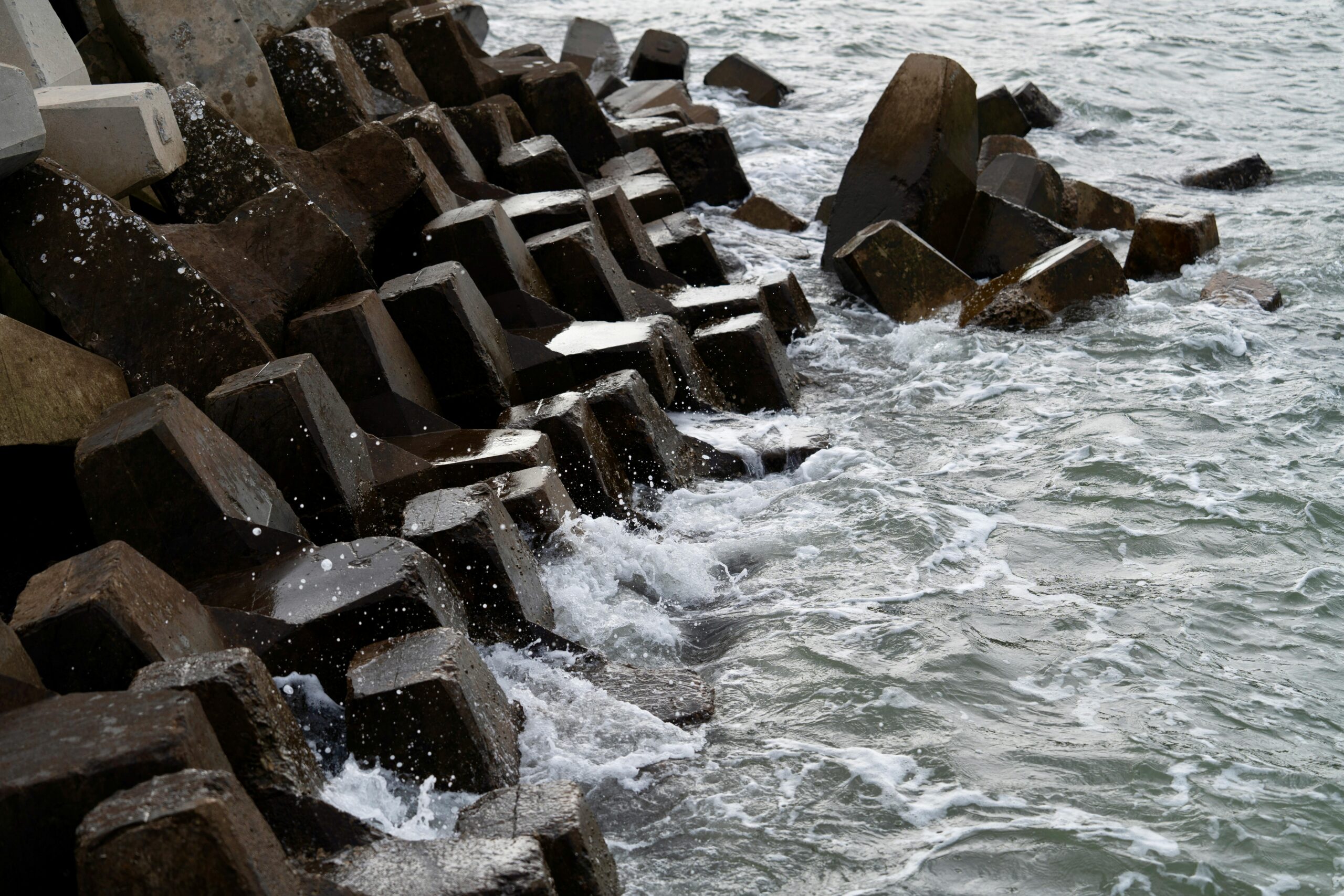
For decades, coastal engineering followed a “hard” approach: concrete seawalls, massive breakwaters, and extensive revetments designed to resist the ocean’s power through sheer force. While these structures provided immediate protection, they often accelerated erosion on adjacent properties, disrupted natural sediment transport, and created biological dead zones where diverse ecosystems once thrived.
Anúncios
The shift toward small-scale, adaptive systems reflects a growing recognition that sustainable coastal defense must integrate ecological principles with engineering innovation. This holistic approach acknowledges that healthy coastal ecosystems—mangroves, salt marshes, coral reefs, and dune systems—provide natural protection worth billions of dollars in avoided damages while supporting biodiversity and community livelihoods.
Learning from Nature’s Blueprint 🏝️
Nature has spent millions of years perfecting coastal defense mechanisms. Modern innovative systems draw inspiration from these time-tested strategies, understanding that flexibility and adaptation often outperform rigid resistance. Wave energy dissipation through vegetation, sand stabilization through root systems, and the buffering capacity of wetlands all inform contemporary small-scale protection design.
Innovative Small-Scale Protection Technologies
The landscape of coastal defense innovation is rapidly expanding, offering communities an impressive array of options tailored to specific challenges and environmental contexts.
Living Shorelines: Where Engineering Meets Ecology
Living shorelines represent one of the most successful small-scale protection strategies. These systems integrate natural materials—oyster shells, native vegetation, biodegradable fiber logs—with strategic placement and minimal hardening to stabilize shorelines while maintaining ecosystem connectivity. Unlike traditional bulkheads that create a hard barrier between land and water, living shorelines create a gradual transition zone that absorbs wave energy, filters pollutants, and provides critical habitat for juvenile fish, crustaceans, and shorebirds.
Implementation typically involves several components working in concert. Offshore oyster reef breakwaters reduce wave energy before it reaches the shore. Behind these biological speed bumps, marsh grasses like Spartina alterniflora trap sediment, building elevation over time. Coir logs or biodegradable fiber rolls provide temporary stabilization while vegetation establishes roots, creating a self-reinforcing system that strengthens with age.
Modular Artificial Reef Systems
Prefabricated modular reef units offer another innovative approach to small-scale coastal protection. These specially designed structures, often made from marine-grade concrete or recycled materials, can be deployed relatively quickly to create artificial reefs that serve dual purposes: breaking wave energy and promoting biodiversity.
Modern designs incorporate biomimicry principles, featuring complex surface textures and cavities that encourage colonization by corals, algae, and other marine organisms. As biological communities establish themselves, these structures become increasingly effective at wave attenuation while transforming into productive marine habitats. The modular nature allows communities to scale protection efforts incrementally, matching investment to available resources and adapting configurations as conditions change.
Geotextile and Sand-Filled Tube Technology 🛡️
Geotextile tubes—large fabric containers filled with sand or dredged material—provide flexible, cost-effective protection for vulnerable shoreline segments. These systems excel in situations requiring rapid deployment or temporary protection while more permanent solutions are planned and funded.
Advanced geotextile materials now incorporate UV-resistant fibers, antimicrobial treatments, and enhanced permeability characteristics that allow water passage while retaining sediment. Strategic placement can create artificial dunes, offshore breakwaters, or groin structures that modify coastal processes to favor accretion over erosion. When properly designed and maintained, geotextile systems can last 15-25 years, providing excellent value for communities with limited budgets.
Nature-Based Solutions: The Power of Green Infrastructure
Perhaps the most sustainable small-scale protection systems are those that leverage and restore natural coastal defenses. These green infrastructure approaches typically deliver multiple benefits beyond coastal protection, including improved water quality, enhanced fisheries, carbon sequestration, and recreational opportunities.
Mangrove Restoration and Enhancement
In tropical and subtropical regions, mangrove forests rank among the most effective natural coastal defenses. Research demonstrates that mangroves can reduce wave heights by up to 66% over the first 100 meters of forest, with additional attenuation occurring further inland. Their dense root systems stabilize sediment, their trunks and branches dissipate energy, and their ability to trap sediment allows them to build elevation in response to sea-level rise.
Small-scale mangrove restoration projects can protect specific vulnerable areas while contributing to broader ecosystem recovery. Successful initiatives often combine planting with hydrological restoration, removing barriers to tidal flow and recreating conditions that allow natural regeneration to complement planted seedlings.
Dune Restoration and Stabilization Systems
Coastal dunes provide natural buffers against storm surge and wave attack while serving as important groundwater reservoirs and wildlife habitats. Small-scale dune restoration projects use sand fencing, native vegetation planting, and access management to rebuild and stabilize these critical features.
Sand fencing creates areas of reduced wind velocity where airborne sand particles settle, gradually building dune elevation. Strategic fence placement can direct dune growth where protection is most needed. Once sufficient sand accumulates, planting native dune grasses like Ammophila (beach grass) or Uniola (sea oats) provides biological stabilization through extensive root systems that bind sand particles while their above-ground biomass continues to trap additional sediment.
Implementation Strategies for Community-Scale Projects 📋
Successful small-scale coastal protection requires more than selecting appropriate technologies—it demands careful planning, community engagement, and adaptive management approaches that respond to changing conditions and emerging knowledge.
Assessment and Site Selection
Effective implementation begins with thorough site assessment. Understanding local wave climate, sediment characteristics, biological resources, and existing coastal processes provides the foundation for system design. Small-scale doesn’t mean simple—these systems must be properly engineered to function within complex coastal dynamics.
Key assessment factors include wave exposure, tidal range, sediment availability, substrate type, water quality, and existing vegetation. Historical shoreline change analysis reveals erosion patterns and helps identify areas where intervention offers the greatest benefit. Stakeholder input ensures projects address community priorities while identifying potential conflicts with existing uses.
Permitting and Regulatory Navigation
Coastal projects typically require permits from multiple agencies concerned with water quality, wetland protection, endangered species, navigation, and public trust resources. Small-scale nature-based projects often benefit from streamlined permitting processes designed to encourage environmentally beneficial activities, but requirements vary significantly by jurisdiction.
Early coordination with regulatory agencies prevents costly redesigns and delays. Many jurisdictions offer pre-application consultations where regulators can provide guidance on permitting pathways and identify potential issues before formal applications are submitted. Demonstrating project benefits for water quality, habitat, and resilience often facilitates approval processes.
Measuring Success: Monitoring and Adaptive Management 🔍
Effective coastal protection systems require ongoing monitoring to verify performance and guide adaptive adjustments. Small-scale projects benefit from monitoring approaches scaled to available resources while still capturing essential data on system function and ecological response.
Physical Performance Metrics
Monitoring physical performance typically focuses on shoreline position, elevation changes, and wave attenuation. Simple methods like erosion stakes, photo monitoring from fixed reference points, and periodic profile surveys can document shoreline response over time. More sophisticated approaches might include wave gauges, sediment traps, or drone-based photogrammetry to create detailed elevation models.
Comparison with adjacent unprotected shoreline segments provides context for interpreting results and quantifying protection benefits. Performance data collected over multiple seasons and years reveals how systems respond to varying conditions and whether adjustments are needed to maintain effectiveness.
Ecological Benefits Assessment
Nature-based systems deliver ecological benefits that warrant monitoring alongside physical performance. Vegetation establishment and health, colonization by target species, fish and invertebrate use, and water quality improvements all provide evidence of ecosystem function restoration.
Community science initiatives can supplement professional monitoring while building local stewardship. Residents can document wildlife observations, photograph seasonal changes, and participate in vegetation surveys, creating valuable long-term datasets while strengthening connection to restoration projects.
Economic Considerations and Funding Opportunities 💰
Cost-effectiveness represents a primary advantage of small-scale protection systems. While per-unit-length costs vary widely depending on site conditions and system type, many innovative approaches cost 25-75% less than traditional hard structures while avoiding negative externalities that create additional costs elsewhere in the coastal system.
Comparative Cost Analysis
Living shorelines typically cost $300-$1,500 per linear meter, compared to $2,000-$5,000+ per meter for bulkheads or seawalls. Mangrove restoration projects range from $2-$50 per planted propagule depending on site accessibility and scale, with costs decreasing dramatically for larger projects. Dune restoration including fencing and planting typically runs $50-$200 per linear meter.
Beyond initial construction, maintenance costs favor natural and hybrid systems. While hard structures require periodic repair and eventual replacement at substantial cost, nature-based systems often strengthen over time with minimal intervention, delivering increasing returns on investment as ecosystems mature.
Diversified Funding Strategies
Multiple funding sources can support small-scale coastal protection initiatives. Federal programs like NOAA’s Coastal Resilience Grants, FEMA’s Hazard Mitigation Assistance programs, and USDA’s Conservation Reserve Program provide substantial funding for eligible projects. State coastal management programs, environmental trust funds, and resilience initiatives offer additional resources.
Private foundations increasingly support nature-based coastal resilience projects, recognizing their multiple benefits for communities and ecosystems. Carbon finance mechanisms may provide revenue streams for mangrove and marsh restoration projects that sequester significant carbon. Stormwater utility fees, tourism taxes, and special assessment districts can generate local funding for ongoing coastal protection efforts.
The Future of Shoreline Savvy: Emerging Trends and Technologies
Innovation in small-scale coastal protection continues to accelerate as climate change intensifies challenges and new technologies emerge. Several trends promise to enhance effectiveness and expand application of these sustainable approaches.
Smart Monitoring and Predictive Analytics 📱
Internet-of-Things sensors, satellite remote sensing, and machine learning analytics are transforming coastal management from reactive to predictive. Low-cost sensor networks can continuously monitor wave conditions, water levels, sediment movement, and ecosystem health, generating real-time data streams that inform adaptive management decisions.
Predictive models trained on historical and real-time data can forecast erosion vulnerability, optimize maintenance timing, and evaluate proposed interventions before implementation. This data-driven approach maximizes protection effectiveness while minimizing costs and ecological impacts.
Advanced Materials and Biomimetic Design
Materials science continues to contribute new options for small-scale protection. Self-healing concretes that incorporate bacteria producing limestone to seal cracks, bioreceptive materials designed to accelerate biological colonization, and advanced composites offering superior strength-to-weight ratios all enhance system performance and longevity.
Biomimetic design—learning from and mimicking natural structures and processes—inspires increasingly sophisticated artificial reef modules, wave attenuation devices, and sediment management structures that work with rather than against coastal dynamics.
Building Resilient Coastal Communities Through Innovation 🌅
The transition toward small-scale, innovative coastal protection systems represents more than technological advancement—it reflects a fundamental reimagining of humanity’s relationship with dynamic shorelines. Rather than attempting to freeze coastlines in place through brute force engineering, these approaches embrace natural processes, working within existing systems to enhance resilience while preserving the ecological integrity and aesthetic values that make coastal areas so treasured.
Success requires integration across scales and sectors. Individual property owners implementing living shorelines, municipalities restoring dunes and wetlands, and regional initiatives coordinating protection strategies all contribute to comprehensive coastal resilience. Knowledge sharing among communities, transparent monitoring of outcomes, and willingness to adapt approaches based on evidence ensure continuous improvement in protection effectiveness.
The challenges facing coastal areas will intensify in coming decades, but so too will the sophistication and effectiveness of small-scale protection systems. By embracing innovation, leveraging natural processes, and fostering community stewardship, we can build a future where thriving human communities and healthy coastal ecosystems coexist along resilient, dynamic shorelines. The tools and knowledge exist—what remains is the commitment to implement these sustainable solutions at the scale necessary to protect the communities and ecosystems that depend on functional, resilient coasts.
Shoreline savvy isn’t about engineering dominance over nature—it’s about intelligent partnership with coastal processes, creating protection systems that adapt, evolve, and improve over time. For communities ready to embrace this vision, the pathway to sustainable coastal defense is clearer than ever, offering hope and practical solutions for generations to come.