Anúncios
Coastal communities worldwide are rediscovering their relationship with the ocean, transforming traditional livelihoods into sustainable economic models that protect marine ecosystems while empowering local populations.

🌊 The Blue Economy Revolution in Coastal Communities
The concept of the blue economy has evolved from a theoretical framework into a practical approach that places communities at the heart of ocean conservation and economic development. Unlike traditional extractive models that depleted marine resources, community-driven blue innovations represent a fundamental shift toward sustainability, equity, and long-term prosperity.
Anúncios
Coastal populations have always depended on the ocean for survival, but modern challenges such as overfishing, pollution, climate change, and habitat destruction have threatened both marine ecosystems and the communities that rely on them. The response to these challenges has sparked a wave of innovative solutions that empower local populations to become stewards of their marine environments while building resilient economic systems.
This transformation is not merely about conservation; it’s about reimagining the relationship between humans and oceans. Community-driven blue innovations recognize that the people who live closest to marine resources possess invaluable traditional knowledge, understand local ecosystems intimately, and have the greatest stake in ensuring their preservation for future generations.
Anúncios
Understanding Community-Driven Blue Innovations
Blue innovations encompass a wide range of activities and initiatives that leverage ocean resources sustainably while creating economic opportunities. When these innovations are community-driven, they incorporate local knowledge, address specific regional challenges, and ensure that benefits remain within the communities themselves rather than being extracted by external entities.
These innovations span multiple sectors including sustainable fisheries management, marine ecotourism, ocean-friendly aquaculture, coastal restoration projects, renewable ocean energy, and marine biotechnology. What distinguishes community-driven approaches is their participatory nature—local stakeholders are involved in design, implementation, and governance from the outset.
Key Characteristics of Successful Community-Led Initiatives
- Local ownership and decision-making authority over marine resources and projects
- Integration of traditional ecological knowledge with modern scientific approaches
- Equitable distribution of economic benefits among community members
- Gender-inclusive participation that recognizes women’s vital roles in coastal economies
- Adaptive management systems that respond to changing environmental conditions
- Strong partnerships between communities, government, NGOs, and private sector
- Capacity building and skills training for long-term sustainability
- Monitoring and evaluation mechanisms led by community members
Transforming Traditional Fisheries Through Community Management
Fishing communities worldwide face the dual challenge of declining fish stocks and increasing competition for marine resources. Community-based fisheries management (CBFM) has emerged as a powerful solution that empowers fishers to regulate their own activities, establish marine protected areas, and implement sustainable harvesting practices.
In the Philippines, hundreds of coastal communities have established marine sanctuaries and implemented fishing regulations that have resulted in dramatic increases in fish populations and catches. These community-managed areas demonstrate that when fishers have secure rights and management authority, they become fierce protectors of marine ecosystems.
Similarly, in Kenya, beach management units give fishing communities legal authority to manage their coastal waters. This approach has reduced conflicts, improved catch quality, and created alternative income streams through activities like seaweed farming and marine tourism. The success of these initiatives proves that empowering communities economically and politically leads to better environmental outcomes.
Economic Benefits Beyond the Catch 🐟
Community-driven fisheries management creates multiple economic benefits beyond simply increasing fish stocks. By establishing regulations and reducing illegal fishing, communities can command higher prices for sustainably caught fish in premium markets. Eco-certification programs like the Marine Stewardship Council provide access to international buyers willing to pay premiums for responsibly sourced seafood.
Additionally, well-managed fisheries support related industries including fish processing, boat building, gear manufacturing, and cold storage facilities—all of which create employment opportunities within coastal communities. Women, who traditionally dominate post-harvest activities, particularly benefit from these expanded economic opportunities.
Marine Ecotourism: Converting Conservation Into Economic Opportunity
Marine ecotourism represents one of the most promising avenues for coastal economic development that aligns conservation with community prosperity. When communities control and benefit from tourism activities, they have powerful incentives to protect the marine environments that attract visitors.
Whale shark tourism in the Philippines demonstrates this model’s potential. In Donsol, Sorsogon, local communities transformed from fishing whale sharks to protecting them as a tourist attraction. Community members work as boat operators, guides, and hospitality providers, generating millions in annual revenue while ensuring the sharks’ protection through strict interaction guidelines.
The Maldives has built its entire economy around marine tourism, with local islands increasingly participating in guesthouse tourism that provides alternatives to large resort developments. This distributed model ensures tourism benefits reach more communities while reducing environmental pressure on any single location.
Designing Tourism That Empowers Rather Than Displaces
For marine tourism to truly empower communities, several principles must guide its development. Communities need ownership stakes in tourism enterprises rather than simply providing low-wage labor. Cultural sensitivity must be maintained, ensuring tourism doesn’t erode traditional ways of life. Environmental carrying capacity must be respected to prevent degradation of the very attractions that draw visitors.
Community-based marine protected areas often serve dual purposes as conservation zones and controlled tourism sites. Revenue from entrance fees, guide services, and accommodation supports both conservation activities and community development projects. This virtuous cycle strengthens both ecosystems and economies simultaneously.
Aquaculture Innovation: Growing Food and Prosperity Sustainably
As wild fish stocks face increasing pressure, sustainable aquaculture offers communities opportunities to produce seafood while reducing environmental impacts. Community-driven aquaculture projects differ fundamentally from industrial fish farming operations that often cause pollution and displace traditional users.
Seaweed farming has emerged as a particularly empowering blue innovation for coastal communities. Requiring minimal capital investment and technical expertise, seaweed cultivation provides income for some of the poorest coastal populations. In Zanzibar, Tanzania, seaweed farming predominantly involves women, providing financial independence and enhancing their status within households and communities.
Integrated multi-trophic aquaculture (IMTA) systems represent cutting-edge innovation that communities are adapting to local contexts. These systems cultivate species at different trophic levels together—for example, fish, shellfish, and seaweed—creating complementary systems where waste from one species provides nutrients for another. This approach maximizes productivity while minimizing environmental impacts.
Supporting Aquaculture Entrepreneurs
For community-based aquaculture to scale, coastal entrepreneurs need access to technical training, startup capital, and market connections. Microfinance institutions increasingly recognize aquaculture’s potential and are developing loan products tailored to production cycles and risks specific to marine farming.
Cooperative models allow small-scale farmers to pool resources for purchasing inputs, sharing equipment, and accessing markets collectively. These cooperatives also facilitate knowledge exchange, helping members adopt best practices and innovations more rapidly than they could individually.
Coastal Restoration: Rebuilding Ecosystems and Livelihoods
Degraded coastal ecosystems—mangroves, seagrass beds, coral reefs, and salt marshes—represent both environmental crises and economic opportunities. Community-led restoration projects rebuild these critical habitats while creating employment and establishing foundations for sustainable blue economies.
Mangrove restoration exemplifies how ecological rehabilitation empowers communities economically. Mangroves provide numerous ecosystem services including storm protection, fish nursery habitat, carbon sequestration, and sustainable timber harvests. Community-managed mangrove forests in Vietnam and Indonesia generate revenue through controlled timber extraction, aquaculture, and carbon credit sales while protecting coastlines from erosion and storms.
Coral reef restoration has evolved from small-scale scientific projects to community-led initiatives employing innovative techniques. Coral gardening programs train community members in fragmentation and transplantation methods, creating jobs while rebuilding reefs that support fisheries and tourism. The economic value of healthy coral reefs—estimated at hundreds of thousands of dollars per hectare annually—makes restoration a sound economic investment.
Ocean Renewable Energy: Powering Coastal Development Sustainably ⚡
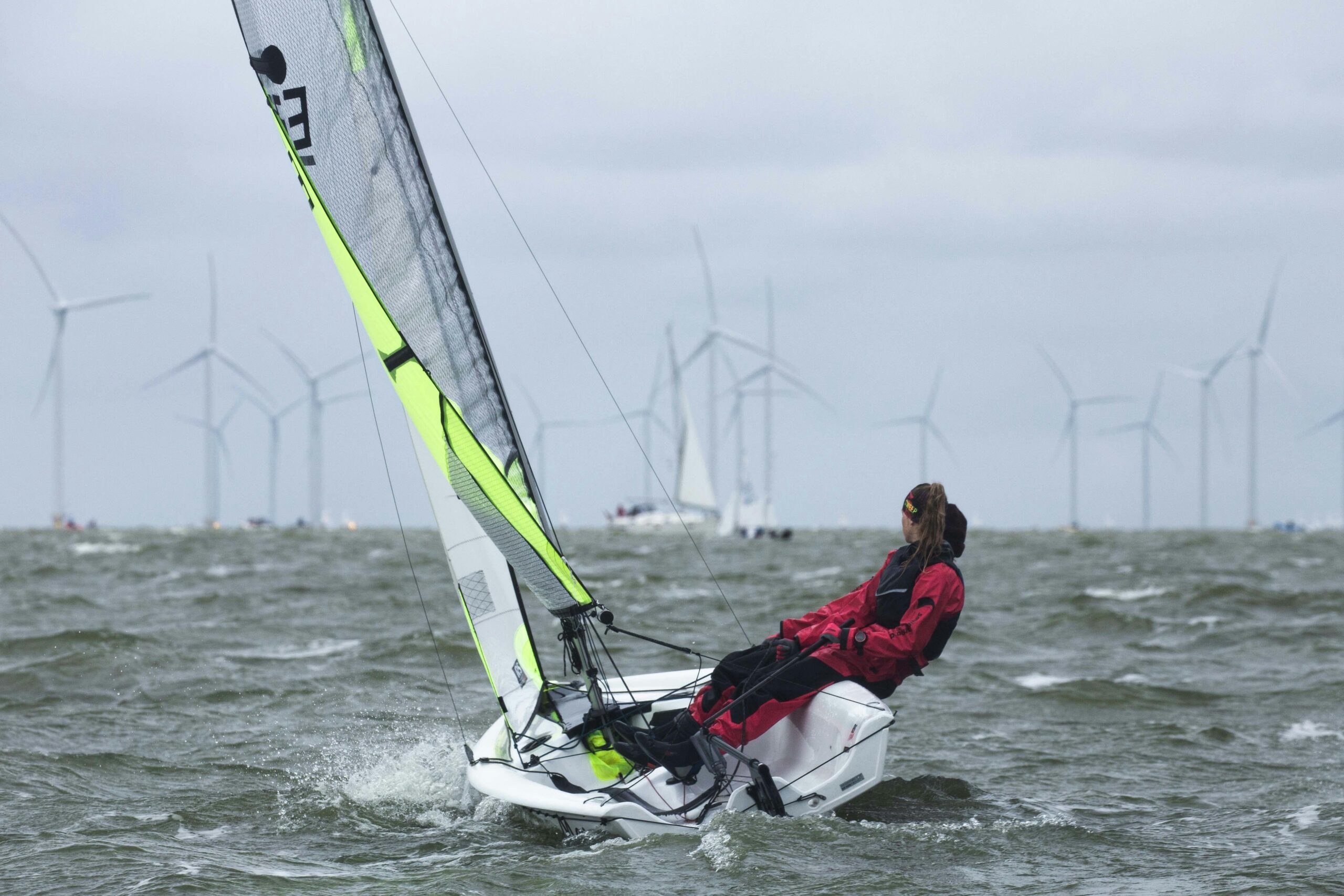
Coastal communities often face energy poverty despite being surrounded by powerful renewable energy sources. Ocean energy technologies including offshore wind, wave, tidal, and ocean thermal energy conversion (OTEC) offer pathways to energy independence that can transform coastal economies.
Community-owned renewable energy projects ensure that economic benefits remain local rather than flowing to distant utilities or developers. In Scotland, community wind energy projects have funded local development initiatives, reduced energy costs, and created skilled employment opportunities. Similar models are expanding to ocean energy technologies as they mature.
Small-scale ocean energy solutions are particularly relevant for remote coastal communities. Micro-tidal generators and wave-powered desalination units can provide electricity and fresh water for communities beyond grid connections, enabling economic activities previously impossible due to energy limitations.
Digital Technologies Amplifying Community Empowerment 📱
Digital technologies are revolutionizing how coastal communities access information, markets, and support systems. Mobile applications help fishers track weather conditions, report illegal fishing activities, and connect directly with buyers. Blockchain technologies create transparent supply chains that verify sustainable sourcing and ensure fair prices reach producers.
Community monitoring programs use smartphone applications to collect ecological data on fish populations, water quality, and habitat conditions. This citizen science both empowers communities with information for management decisions and contributes valuable data to regional and global research efforts.
E-commerce platforms help coastal producers reach premium markets willing to pay for sustainably harvested products. By eliminating intermediaries, these platforms increase the share of consumer payments that reach harvesters, improving livelihoods while incentivizing sustainable practices.
Financing Community Blue Innovations
Access to capital remains a critical barrier for communities seeking to implement blue innovations. Traditional financial institutions often view coastal communities as risky borrowers, leaving them dependent on grants or excluded from financing entirely. Innovative financing mechanisms are emerging to address this gap.
Blue bonds and impact investment funds specifically targeting ocean conservation and sustainable development have mobilized billions of dollars. While most initially focused on large projects, an increasing number are developing mechanisms to channel capital to community-level initiatives.
Payment for ecosystem services (PES) schemes compensate communities for conservation actions that generate societal benefits. For example, mangrove conservation projects can generate revenue through carbon credits, while watershed protection provides payments from downstream water users. These mechanisms create financial incentives aligned with conservation.
Building Financial Literacy and Business Skills
Access to capital alone isn’t sufficient; coastal communities also need financial management and business development skills. Training programs that build these capacities ensure that communities can effectively utilize financing, manage enterprises sustainably, and scale successful innovations.
Mentorship programs connecting coastal entrepreneurs with experienced business advisors help navigate challenges from market development to regulatory compliance. These relationships accelerate learning and increase the likelihood of long-term success.
Policy Frameworks That Enable Community Empowerment
Even the most innovative community initiatives struggle without supportive policy environments. Legal frameworks that recognize community rights to marine resources, streamline permitting processes, and ensure equitable benefit-sharing are essential foundations for community-driven blue economies.
Tenure security represents perhaps the most critical policy need. When communities have legally recognized rights to manage coastal and marine areas, they can make long-term investments in conservation and sustainable development. Without secure tenure, communities lack incentives for stewardship and are vulnerable to displacement by more powerful interests.
Decentralized governance structures that devolve decision-making authority to local levels enable communities to adapt management approaches to local conditions and respond rapidly to changing circumstances. Co-management frameworks that share authority between communities and government agencies combine local knowledge with technical and enforcement capacity.
Building Resilience Against Climate Change Impacts 🌍
Climate change poses existential threats to many coastal communities through sea-level rise, ocean acidification, intensifying storms, and shifting marine ecosystems. Community-driven blue innovations must build resilience against these impacts while reducing greenhouse gas emissions.
Nature-based solutions like mangrove restoration, coral reef rehabilitation, and seagrass bed protection provide coastal defense while sequestering carbon. These approaches deliver climate mitigation and adaptation benefits simultaneously while supporting biodiversity and fisheries.
Livelihood diversification reduces vulnerability to climate-related disruptions in any single sector. Communities engaged in multiple blue economy activities—fishing, aquaculture, tourism, and restoration—can adapt when climate impacts affect specific sectors while maintaining overall economic stability.
Lessons From the Frontlines of Blue Innovation
Successful community-driven blue innovations share common elements that provide guidance for replication and scaling. Strong community organization and leadership create foundations for collective action. Partnerships that bring together communities, government, civil society, and private sector actors leverage complementary strengths and resources.
Long-term commitment is essential; transforming coastal economies requires sustained effort over years or decades, not quick projects. Adaptive management allows communities to learn from experience and adjust approaches as conditions change. Celebrating successes builds momentum and inspires continued effort even when challenges arise.
Perhaps most importantly, successful initiatives recognize that empowering communities is both the means and the end. When communities control their marine resources and economic futures, they develop sophisticated management systems that balance conservation with development, innovation with tradition, and local needs with global responsibilities.
Charting the Course Forward: From Projects to Movements
The transformation of coastal economies through community-driven blue innovations has progressed from isolated pilot projects to a global movement. Networks connecting communities across countries and continents facilitate knowledge exchange, advocacy, and mutual support. International frameworks like the Sustainable Development Goals provide momentum and resources for scaling successful approaches.
The next phase requires moving beyond individual projects to systemic changes that mainstream community empowerment in ocean governance and blue economy development. This includes reforming policies that concentrate marine resource control in state or corporate hands, redirecting finance toward community-led initiatives, and recognizing traditional and community knowledge as valid alongside scientific expertise.
Technology will continue evolving, providing new tools for conservation, monitoring, and economic development. However, technology serves communities best when it enhances rather than replaces local knowledge and capacity. The most powerful innovations combine cutting-edge technologies with centuries of accumulated wisdom about living sustainably with the ocean.

The Promise of Empowered Oceans and Communities
When communities control and benefit from ocean resources, remarkable transformations occur. Degraded ecosystems recover as protected marine areas expand. Fish populations rebound as sustainable management replaces exploitation. Economic prosperity spreads as diverse blue economy activities create opportunities beyond traditional fishing. Women gain economic independence and decision-making roles. Youth see futures in their coastal communities rather than migrating to cities.
These changes ripple outward, influencing regional marine conservation, national policies, and international frameworks. Empowered communities become powerful advocates for ocean protection in policy forums from local councils to international negotiations. Their lived experience and demonstrated success provide compelling evidence for approaches that align human welfare with ecological health.
The vision of empowered oceans and empowered communities is not utopian fantasy but emerging reality in hundreds of locations worldwide. While challenges remain formidable—from climate change to inadequate financing to resistant governance structures—the pathway forward grows clearer. By placing communities at the center of blue economy development, supporting their innovations, securing their rights, and learning from their successes, we can transform coastal economies while healing ocean ecosystems.
The ocean has always empowered coastal communities, providing food, livelihoods, culture, and identity. Now, as communities embrace their roles as ocean stewards and innovators, they are empowering the ocean in return—protecting and restoring marine ecosystems that will sustain future generations. This reciprocal empowerment represents humanity’s best hope for a sustainable relationship with the blue planet that sustains us all.