
Anúncios
Wastewater treatment is undergoing a remarkable transformation as innovative algae-based systems emerge, offering sustainable solutions that protect our environment while creating valuable resources for tomorrow’s world. 🌱

The Growing Challenge of Global Wastewater Management
Our planet faces an unprecedented water crisis. With over 80% of the world’s wastewater being released into the environment without adequate treatment, according to UN Water estimates, the need for revolutionary approaches has never been more urgent. Traditional wastewater treatment methods, while effective, demand massive energy inputs, produce substantial greenhouse gas emissions, and often fail to recover valuable nutrients that simply wash away into receiving waters.
Anúncios
The environmental and economic costs of conventional treatment are staggering. Municipal wastewater treatment plants account for approximately 3% of total electrical energy consumption in developed nations. Meanwhile, developing countries struggle to implement these expensive infrastructures, leaving billions of people without access to proper sanitation services. This is where algae systems step onto the stage as game-changers in wastewater management.
Understanding Algae: Nature’s Microscopic Powerhouses
Algae are photosynthetic organisms that range from microscopic single-celled species to large multicellular seaweeds. In wastewater treatment contexts, we primarily harness microalgae—tiny aquatic plants invisible to the naked eye yet possessing extraordinary capabilities. These organisms have evolved over billions of years to efficiently capture nutrients from their surrounding environment.
Anúncios
What makes microalgae particularly suited for wastewater treatment is their remarkable appetite for nitrogen and phosphorus—the exact nutrients that cause environmental problems when released into natural water bodies. Through photosynthesis, algae convert sunlight, carbon dioxide, and these nutrients into biomass, essentially transforming pollutants into valuable resources.
The Biological Mechanisms Behind Algae Treatment Systems
When introduced into wastewater, algae colonies begin their work immediately. They absorb dissolved nutrients including nitrates, ammonia, and phosphates, which are the primary culprits behind eutrophication in lakes, rivers, and coastal waters. Simultaneously, algae produce oxygen through photosynthesis, which supports bacterial communities that break down organic matter in the wastewater.
This symbiotic relationship between algae and bacteria creates a natural treatment ecosystem. The bacteria decompose organic pollutants and release carbon dioxide, which the algae then use for photosynthesis. In return, algae provide the oxygen bacteria need for their metabolic processes. This elegant biological partnership requires no chemical inputs and minimal energy compared to conventional methods.
Types of Algae-Based Wastewater Treatment Systems
Several distinct approaches have been developed to harness algae for wastewater remediation, each with unique advantages depending on climate, available space, and treatment objectives.
High-Rate Algal Ponds (HRAPs)
High-rate algal ponds represent the most widely implemented algae treatment technology. These shallow ponds, typically 20-50 centimeters deep, use paddle wheels to keep water circulating and algae suspended. The shallow depth maximizes light penetration, enabling photosynthesis throughout the water column. HRAPs effectively remove nutrients and pathogens while producing substantial algae biomass that can be harvested for various applications.
The simplicity of HRAPs makes them particularly attractive for communities in developing regions. They require minimal mechanical components, can be constructed using local materials, and operate effectively in tropical and subtropical climates where sunlight is abundant year-round.
Photobioreactors: Controlled Environment Systems
Photobioreactors (PBRs) are closed systems that provide precise control over growth conditions. These sophisticated installations use transparent tubes, panels, or columns to contain wastewater and algae while maximizing exposure to light. PBRs prevent contamination, reduce water loss through evaporation, and achieve higher productivity rates than open ponds.
Though more expensive to construct and operate, photobioreactors excel in urban settings where space is limited or in climates where open ponds would be impractical. They also enable cultivation of specific algae strains selected for optimal nutrient removal or valuable compound production.
Algae Turf Scrubbers (ATS)
Algae turf scrubbers take a different approach by growing filamentous algae on inclined surfaces over which wastewater flows. These systems mimic natural stream environments where algae grow on rocks and substrates. ATS installations are particularly effective for polishing treated effluent before discharge and have shown impressive results in agricultural runoff treatment.
Environmental Benefits That Extend Beyond Treatment 🌍
The environmental advantages of algae systems extend far beyond simply cleaning wastewater. These biological treatment platforms address multiple sustainability challenges simultaneously.
Carbon Capture and Climate Change Mitigation
During photosynthesis, algae capture atmospheric carbon dioxide at rates that surpass terrestrial plants. A hectare of high-rate algal ponds can sequester 50-100 tonnes of CO2 annually while treating wastewater. This dual functionality—pollution removal plus carbon capture—positions algae systems as valuable tools in the fight against climate change.
When compared to conventional treatment plants that actually emit greenhouse gases through energy consumption and biological processes, algae systems represent a carbon-negative alternative that actively improves atmospheric conditions.
Protecting Aquatic Ecosystems From Eutrophication
Eutrophication—the excessive enrichment of water bodies with nutrients—triggers harmful algal blooms, oxygen depletion, and devastating fish kills. By capturing nitrogen and phosphorus before they reach rivers and oceans, algae treatment systems protect downstream ecosystems from these destructive cascading effects.
Studies have demonstrated that properly designed algae systems can remove over 90% of nitrogen and phosphorus from wastewater, achieving nutrient reduction levels that rival or exceed conventional tertiary treatment technologies.
Economic Viability and Resource Recovery Opportunities 💰
Beyond environmental benefits, algae systems present compelling economic advantages through reduced operational costs and revenue generation from harvested biomass.
Lower Operating Costs Compared to Conventional Treatment
Traditional activated sludge treatment requires constant aeration, consuming enormous amounts of electricity. Algae systems, powered primarily by sunlight, slash energy requirements by 50-80%. This translates to substantial operational savings over the facility’s lifetime, making algae treatment increasingly attractive as energy costs rise.
Maintenance demands are similarly reduced. Algae systems contain fewer mechanical components prone to failure, and the biological processes are self-regulating within appropriate operating parameters. Communities implementing these technologies report maintenance cost reductions of 30-60% compared to conventional infrastructure.
Valuable Products From Harvested Algae Biomass
The algae biomass produced during treatment isn’t waste—it’s a valuable resource with multiple applications:
- Biofuels: Algae can be processed into biodiesel, bioethanol, or biogas, providing renewable energy sources that offset fossil fuel consumption.
- Animal Feed: Protein-rich algae serve as nutritious supplements for livestock, poultry, and aquaculture operations.
- Biofertilizers: Dried algae biomass or liquid extracts make excellent organic fertilizers, returning captured nutrients to agricultural systems.
- High-Value Compounds: Certain algae species produce omega-3 fatty acids, carotenoids, and other compounds used in pharmaceuticals, cosmetics, and nutraceuticals.
- Bioplastics: Algae-derived polymers offer biodegradable alternatives to petroleum-based plastics.
This circular economy approach transforms wastewater treatment from a cost center into a potential revenue generator, fundamentally changing how communities view sanitation infrastructure.
Real-World Success Stories and Implementation Examples
Across the globe, forward-thinking communities and industries have successfully implemented algae-based wastewater treatment, demonstrating the technology’s practical viability.
Municipal Applications Pioneering Change
In New Zealand, several communities have operated high-rate algal ponds for municipal wastewater treatment since the 1990s. Christchurch’s system treats wastewater for over 300,000 residents while producing biomass used for fertilizer production. The facility consistently meets stringent discharge standards at a fraction of the cost of conventional alternatives.
Similarly, communities in California have embraced algae systems to address drought concerns and nutrient pollution. These installations reclaim treated water for irrigation while generating biomass that offsets operational costs through biogas production.
Industrial Wastewater Treatment Applications
Industries generating nutrient-rich wastewater have found algae systems particularly valuable. Dairy operations, breweries, and food processing facilities produce effluent with high organic and nutrient loads that algae readily consume.
A brewery in Colorado implemented a photobioreactor system that treats all process wastewater on-site while producing algae biomass sold to local agriculture as animal feed supplement. The installation achieved full return on investment within five years while eliminating discharge fees.
Overcoming Challenges and Technical Considerations 🔧
Despite their promise, algae systems face technical challenges that researchers and engineers continue to address through innovation and optimization.
Harvesting and Dewatering Complexities
Separating microscopic algae from treated water remains one of the technology’s primary challenges. Algae cells are tiny and neutrally buoyant, making collection energy-intensive. Current harvesting methods include flocculation, flotation, centrifugation, and filtration—each with associated costs and energy requirements.
Researchers are developing more efficient harvesting techniques, including bio-flocculation where specific bacteria or natural polymers cause algae to clump together for easier removal. Electrocoagulation and advanced membrane technologies show promise for reducing harvesting costs.
Seasonal Variations and Climate Dependence
In temperate climates, algae productivity drops significantly during winter months when daylight is limited and temperatures fall. This seasonal variability complicates year-round treatment reliability in regions experiencing cold winters.
Hybrid systems that combine algae treatment during warm months with conventional processes during winter offer one solution. Alternatively, greenhouse enclosures or heated photobioreactors maintain productivity year-round, though at increased capital and operational costs.
Species Management and System Stability
Maintaining desired algae species in open systems can be challenging as naturally occurring algae may colonize treatment ponds. While this doesn’t necessarily compromise treatment performance, it can affect biomass quality and downstream processing options.
Operational strategies including pH management, selective nutrient dosing, and periodic restart procedures help maintain target species dominance. Closed photobioreactors offer better control but at higher costs.
The Path Forward: Integration With Emerging Technologies
The future of algae-based wastewater treatment lies in intelligent integration with complementary technologies that enhance performance and expand capabilities.
Artificial Intelligence and Monitoring Systems
Advanced sensors coupled with artificial intelligence algorithms now enable real-time monitoring and optimization of algae systems. These smart installations adjust operating parameters automatically in response to changing wastewater characteristics, weather conditions, and treatment objectives.
Machine learning models predict system performance, optimize harvesting schedules, and identify potential problems before they impact treatment quality. This technological marriage of biology and digital intelligence promises to significantly improve reliability and efficiency.
Hybrid Treatment Configurations
Combining algae systems with other treatment technologies creates robust, flexible installations that leverage the strengths of multiple approaches. Common hybrid configurations include:
- Algae ponds following conventional primary treatment
- Constructed wetlands integrated with algae turf scrubbers
- Anaerobic digestion paired with algae polishing ponds
- Membrane bioreactors supplemented with photobioreactors for nutrient removal
These hybrid systems deliver superior treatment performance while maintaining the sustainability advantages of algae-based processes.
Regulatory Frameworks and Policy Support Driving Adoption
Government policies increasingly recognize and incentivize algae-based treatment technologies as nations pursue sustainability targets and circular economy principles.
The European Union’s Water Framework Directive and stricter nutrient discharge standards are accelerating interest in algae systems across Europe. Similarly, US states with nutrient pollution problems are offering grants and technical assistance for innovative treatment approaches including algae technologies.
International development organizations now include algae systems in sanitation programs for developing nations, recognizing their appropriate technology characteristics and minimal infrastructure requirements. This policy support accelerates research, reduces implementation barriers, and encourages private sector investment in algae treatment solutions.
Empowering Communities Through Decentralized Treatment 🏘️
Perhaps algae systems’ most transformative potential lies in enabling decentralized wastewater treatment that empowers communities to manage resources locally.
Small-scale algae installations suitable for neighborhoods, schools, or individual large buildings can treat wastewater on-site, reducing demand on centralized infrastructure while producing resources used within the community. This distributed approach builds resilience, reduces infrastructure costs, and creates circular resource flows that strengthen local sustainability.
Educational institutions worldwide are implementing demonstration algae systems that serve both as functional treatment infrastructure and living laboratories where students learn about biological processes, sustainability, and environmental stewardship. These installations inspire the next generation of environmental innovators while providing practical benefits.
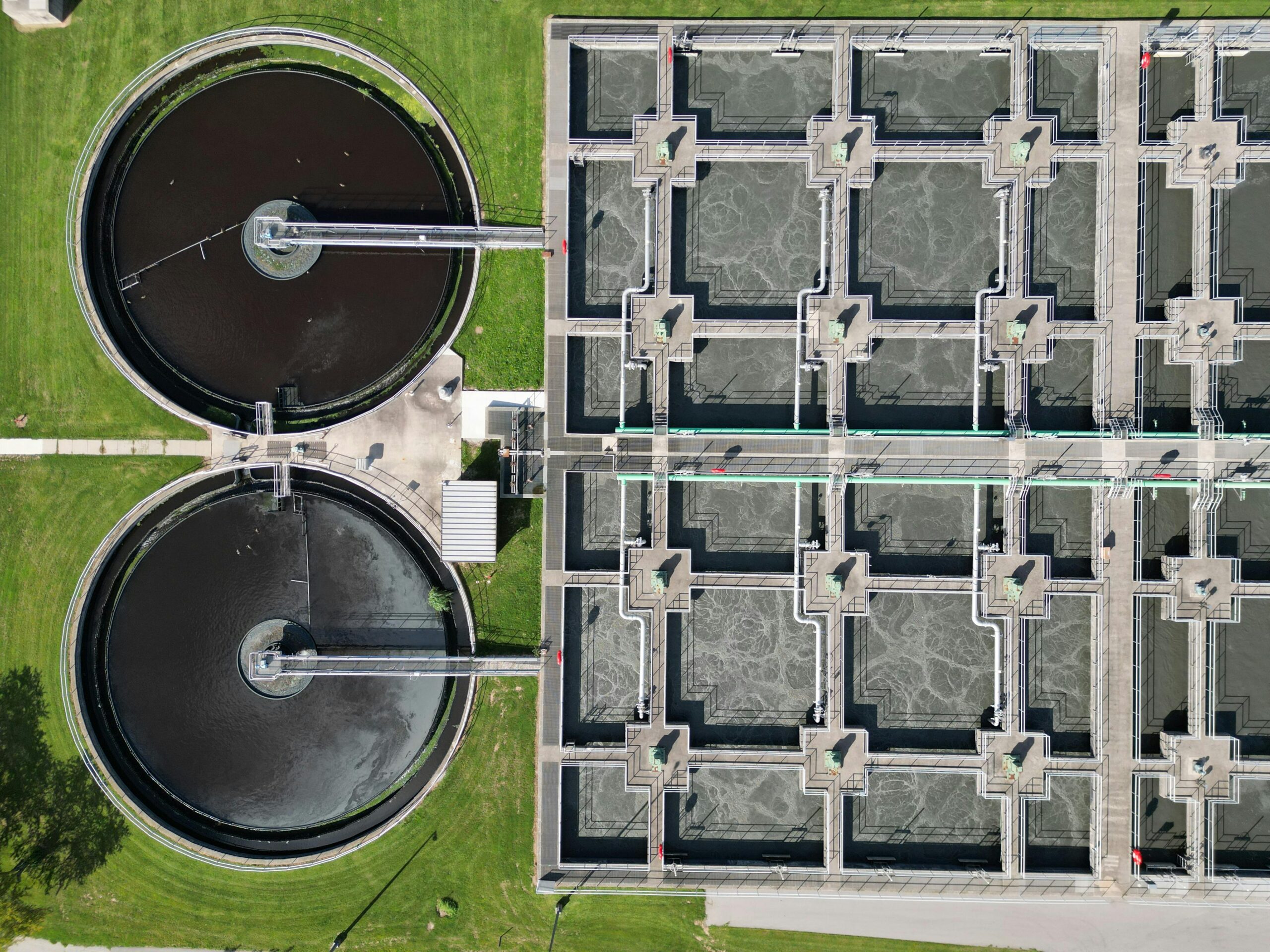
Transforming Waste Into Opportunity for Tomorrow
Algae-based wastewater treatment represents far more than an alternative technology—it embodies a fundamental shift in how humanity relates to waste and resources. By recognizing that “wastewater” contains valuable nutrients and energy, and by harnessing nature’s own purification systems, we move toward truly sustainable sanitation that works with ecological processes rather than against them.
The technology’s maturity, demonstrated success across diverse applications, and improving economics position algae systems as mainstream solutions ready for widespread implementation. As climate change intensifies, water scarcity worsens, and resource constraints tighten, the logic of capturing nutrients, sequestering carbon, and generating valuable products from wastewater becomes increasingly compelling.
For communities, industries, and nations committed to environmental sustainability and resource security, algae-based wastewater treatment offers a proven pathway toward cleaner water, healthier ecosystems, and more resilient infrastructure. The revolution in wastewater treatment has arrived—powered by microscopic organisms that have been perfecting these processes for billions of years, now finally recognized and harnessed for humanity’s benefit and our planet’s future. 🌊