
Anúncios
Algae production represents one of the most promising frontiers in sustainable biotechnology, offering solutions for biofuel generation, carbon capture, food security, and pharmaceutical applications. However, achieving commercial viability hinges on one critical factor: energy balance optimization.

🌱 Understanding Energy Balance in Algae Cultivation Systems
Energy balance in algae production refers to the relationship between energy inputs required for cultivation, harvesting, and processing versus the energy outputs generated from algae biomass. This fundamental principle determines whether an algae production system is economically viable and truly sustainable. A positive energy balance means the system produces more energy than it consumes, while a negative balance indicates energy inefficiency that undermines both profitability and environmental benefits.
Anúncios
The complexity of energy accounting in algae systems extends beyond simple input-output calculations. It encompasses direct energy consumption like electricity for pumping and mixing, thermal energy for temperature control, and mechanical energy for harvesting. Indirect energy costs include manufacturing infrastructure, nutrient production, and water treatment. Understanding these multifaceted energy flows provides the foundation for optimization strategies.
Critical Energy Input Components Requiring Optimization
Several major energy sinks dominate algae production systems, each presenting unique challenges and opportunities for efficiency improvements. Identifying these bottlenecks enables targeted interventions that dramatically improve overall system performance.
Anúncios
Mixing and Circulation Energy Demands
Maintaining proper circulation in algae cultures prevents settling, ensures uniform light distribution, and facilitates gas exchange. In open pond systems, paddle wheels typically consume 20-30% of total energy inputs. Closed photobioreactors require even more intensive mixing to prevent photoinhibition and maintain optimal growth conditions. Advanced computational fluid dynamics modeling now enables designers to minimize mixing energy while maintaining adequate circulation patterns.
Innovative solutions include airlift systems that leverage gas exchange requirements to provide mixing, reducing dedicated mechanical mixing energy by up to 60%. Spiral flow photobioreactors optimize hydraulic design to minimize friction losses while ensuring complete circulation. These engineering refinements transform mixing from an energy liability into a manageable component of sustainable algae production.
Temperature Management in Variable Climates
Algae species exhibit narrow optimal temperature ranges, typically between 20-30°C for most commercial strains. Maintaining this range in variable climates consumes substantial energy, particularly in regions with significant seasonal temperature fluctuations. Heating during cold periods and cooling during hot seasons can account for 30-50% of total energy consumption in poorly designed systems.
Strategic site selection represents the first line of defense against temperature-related energy losses. Locations with stable, moderate climates naturally reduce heating and cooling requirements. Passive thermal management techniques including insulation, thermal mass integration, and evaporative cooling provide energy-efficient temperature regulation. Advanced systems incorporate waste heat recovery from industrial processes, converting an environmental liability into a valuable energy resource for algae cultivation.
Harvesting and Dewatering Energy Intensity
Extracting algae biomass from dilute cultures presents one of the most significant energy challenges in production systems. Algae concentrations typically range from 0.5-5 g/L, meaning 99.5-99% of culture volume consists of water that must be removed. Traditional centrifugation methods consume 0.5-1.5 kWh per cubic meter of culture, often exceeding the energy content of harvested biomass in poorly optimized systems.
Multi-stage harvesting strategies dramatically improve energy efficiency by combining low-energy pre-concentration methods with intensive final dewatering. Flocculation, either chemical or bio-flocculation, aggregates dispersed cells into larger particles amenable to gravity settling or dissolved air flotation. These preliminary steps achieve 10-50x concentration increases with minimal energy input. Final dewatering through optimized centrifugation or filtration then operates on much smaller volumes, reducing total energy consumption by 60-80% compared to single-stage centrifugation.
⚡ Maximizing Energy Output Through Biomass Optimization
While reducing energy inputs remains crucial, enhancing energy outputs through biomass productivity and composition improvements equally contributes to favorable energy balance. Strategic strain selection, nutrient optimization, and cultivation management multiply the energy returns from each unit of input energy.
Strain Selection for Energy Content and Productivity
Different algae species and strains exhibit vastly different energy characteristics. Lipid-rich species like Nannochloropsis and Chlorella provide high energy density biomass suitable for biodiesel production, with lipid contents reaching 40-60% of dry weight under nitrogen stress conditions. High-carbohydrate species like Arthrospira (spirulina) offer alternative energy pathways through fermentation to ethanol or biogas production.
Productivity metrics matter equally to composition. A strain producing 30% lipids at 25 g/m²/day delivers more total energy than a 50% lipid strain growing at 10 g/m²/day. Comprehensive energy analysis must account for both concentration and absolute productivity to identify truly optimal strains. Modern screening programs evaluate hundreds of strains under realistic production conditions to identify superior performers balancing growth rate, energy content, and stress tolerance.
Nutrient Strategy Impact on Energy Balance
Nitrogen and phosphorus represent the primary nutrient costs in algae cultivation, both economically and energetically. Synthetic nitrogen fertilizer production consumes substantial fossil energy, contributing significantly to negative energy balances when used inefficiently. Phosphorus mining and processing similarly adds energy overhead that must be accounted in comprehensive life cycle assessments.
Waste stream valorization transforms nutrient supply from energy cost to energy benefit. Integrating algae cultivation with wastewater treatment, anaerobic digestion effluent processing, or aquaculture systems provides nutrients at minimal energy cost while delivering additional environmental services. These integrated systems achieve positive energy balances more readily than standalone cultivation using virgin nutrients. Strategic nutrient recycling within production systems further reduces external inputs, with some facilities recycling 70-90% of nutrients through biomass processing and culture medium regeneration.
🔄 System Design Innovations Driving Energy Efficiency
Revolutionary production system designs challenge conventional approaches, delivering step-change improvements in energy balance through integrated engineering solutions. These innovations combine multiple efficiency strategies into coherent systems optimized for maximum energy return on investment.
Hybrid Open-Closed Cultivation Systems
Pure open pond systems offer low capital and operating costs but suffer from contamination vulnerability, limited species selection, and suboptimal productivity. Closed photobioreactors provide controlled conditions and high productivity but incur substantial capital costs and energy consumption for temperature control and mixing. Hybrid systems leverage the advantages of both approaches while mitigating their respective weaknesses.
Typical hybrid configurations utilize closed photobioreactors for inoculum production and early-stage cultivation, maintaining pure cultures under optimal conditions. Transfer to open ponds occurs once biomass density provides competitive advantage against contaminants, allowing final biomass accumulation in low-cost, energy-efficient open systems. This staged approach reduces overall energy intensity by 30-40% compared to pure photobioreactor production while maintaining much higher productivity than pure open pond systems.
Vertical and Stacked Production Architectures
Land area often represents a limiting factor in algae production, particularly near urban centers where waste stream integration opportunities and end markets concentrate. Vertical photobioreactor configurations maximize productivity per unit land area, achieving 5-10x areal productivity compared to horizontal systems. Stacked tubular or flat-panel designs capture previously unused vertical space while maintaining efficient light delivery to algae cultures.
Energy analysis of vertical systems reveals complex tradeoffs. Increased pumping energy requirements for circulating cultures through vertical sections must be balanced against reduced land costs, shorter transport distances for inputs and products, and opportunities for building-integrated systems that share infrastructure. In appropriate contexts, particularly urban environments with expensive land and abundant waste heat, vertical systems achieve superior overall energy and economic performance despite higher circulation energy demands.
📊 Quantifying Success: Energy Balance Metrics and Benchmarks
Rigorous measurement and standardized metrics enable meaningful comparison between production systems and tracking improvement over time. Industry convergence on common assessment frameworks accelerates learning and drives continuous optimization across the sector.
| Metric | Definition | Target Range for Sustainability |
|---|---|---|
| Energy Return on Investment (EROI) | Energy output / Energy input | > 3.0 for biofuels, > 1.5 for other applications |
| Net Energy Ratio (NER) | (Energy output – Energy input) / Energy input | > 2.0 for commercial viability |
| Energy Intensity | Energy consumed per kg biomass produced | < 15 MJ/kg for competitive systems |
| Harvesting Energy Ratio | Harvesting energy / Total system energy | < 30% for optimized operations |
Leading facilities now achieve EROI values between 3-5 for biodiesel production, approaching the 5-10 range typical of conventional agricultural feedstocks. High-value co-product strategies, where energy-rich biomass represents one of multiple revenue streams, achieve even more favorable energy economics. Systems producing omega-3 fatty acids, pigments, or proteins alongside biofuel precursors distribute energy inputs across multiple valuable outputs, improving overall sustainability metrics.
🌍 Integration with Renewable Energy Systems
The ultimate expression of sustainable algae production involves powering operations entirely with renewable energy sources, creating truly carbon-negative production systems. Solar, wind, and geothermal energy integration transforms algae cultivation from fossil fuel dependent operations into closed-loop carbon capture and energy production facilities.
Solar Energy Coupling and Storage
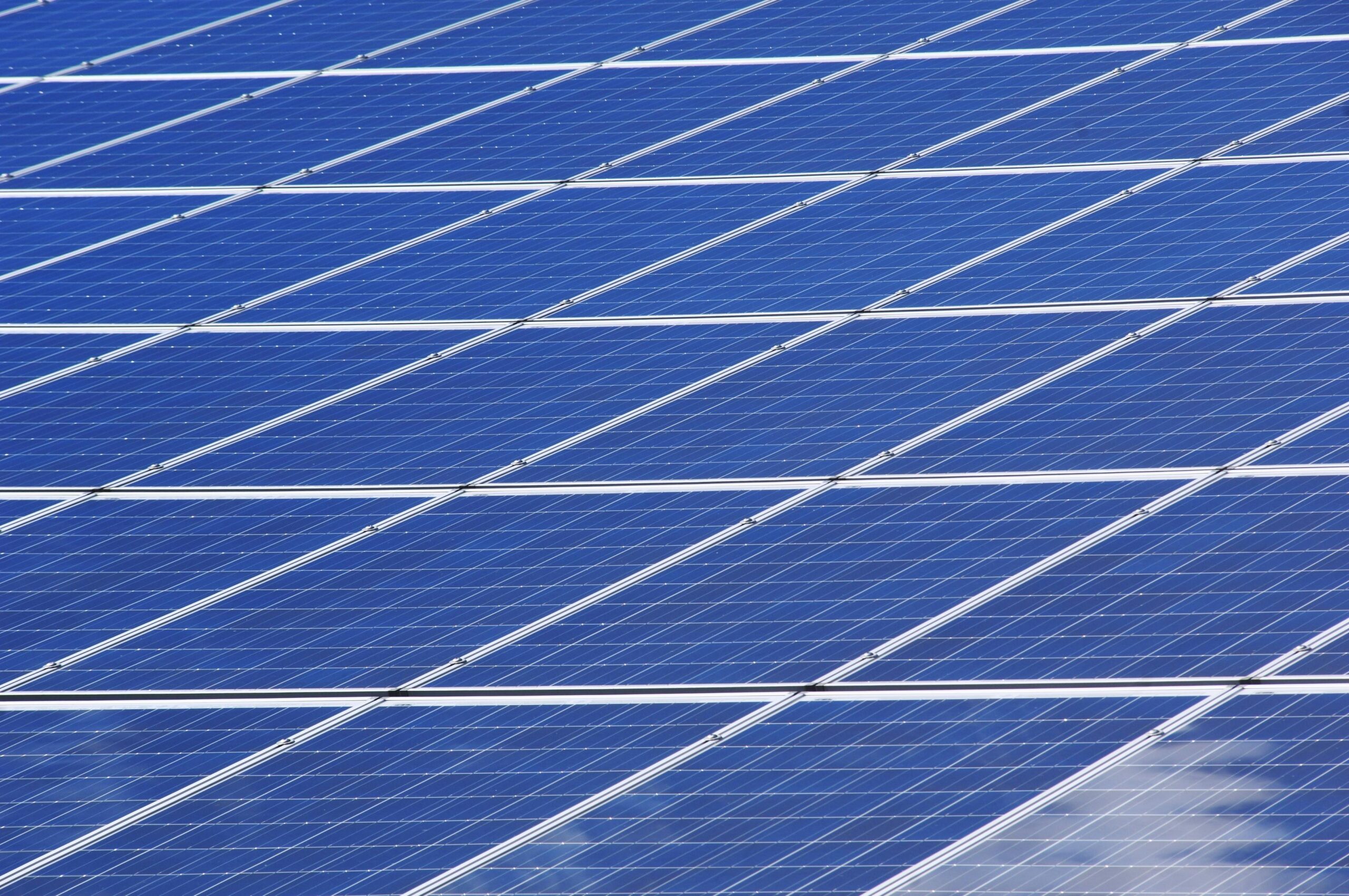
The natural alignment between solar energy availability and photosynthetic algae growth creates obvious synergies. Photovoltaic arrays dedicated to algae production facilities provide clean electricity for pumps, mixers, and processing equipment. During peak sunlight hours when both solar generation and algae productivity peak, excess electricity flows to battery storage or grid export, generating revenue that offsets operational costs.
Advanced facilities incorporate intelligent energy management systems that dynamically allocate available power to highest-priority operations. Critical functions like culture circulation receive priority, while deferrable activities such as biomass processing shift to periods of maximum renewable energy availability. This temporal load management maximizes renewable energy utilization while minimizing grid electricity consumption and associated costs.
Waste Heat Integration from Renewable Sources
Geothermal energy provides both stable baseload electricity and thermal energy for temperature regulation in algae systems. Facilities located near geothermal resources access low-cost heat for maintaining optimal culture temperatures year-round, eliminating one of the largest energy expenses in variable climates. Even moderate-temperature geothermal resources (50-90°C) prove sufficient for heating cultivation systems and supporting biomass drying operations.
Biogas production facilities represent another valuable integration opportunity. Anaerobic digestion of organic wastes generates methane for electricity production, with waste heat from generation available for algae cultivation. Return flows of CO2-rich biogas combustion exhaust provide concentrated carbon for enhanced algae growth. These circular integration schemes achieve remarkable system-level efficiency, with overall energy balances far exceeding isolated production systems.
💡 Emerging Technologies Reshaping Energy Efficiency
Cutting-edge research continues pushing the boundaries of algae production efficiency through novel biological, chemical, and engineering approaches. These innovations promise further improvements in energy balance that could finally unlock mass-market algae production viability.
Genetic and Metabolic Engineering Advances
Modern genetic tools enable precise modification of algae metabolism to enhance energy-relevant traits. Researchers have developed strains with enhanced photosynthetic efficiency, capturing 10-20% more solar energy than wild-type organisms. Knockout of competing metabolic pathways redirects cellular resources toward desired products like lipids or carbohydrates, increasing energy density without sacrificing growth rate.
Self-settling algae strains eliminate energy-intensive harvesting through engineered bioflocculation mechanisms. These modified organisms automatically aggregate and settle when exposed to specific environmental triggers, enabling gravity harvesting that reduces energy consumption by 90% compared to centrifugation. While regulatory pathways for genetically modified algae remain under development, the potential energy savings justify continued research investment.
Advanced Photobioreactor Materials and Designs
Novel materials science contributes to energy efficiency through improved light transmission, reduced biofouling, and enhanced durability. Nanostructured transparent surfaces reduce light reflection while preventing algae adhesion, maintaining optimal photosynthetic efficiency with minimal cleaning energy. Advanced polymers withstand harsh cleaning chemicals and UV exposure, extending equipment lifetime and amortizing embodied energy over longer production periods.
Biomimetic designs inspired by natural systems produce unexpected efficiency gains. Spiral configurations mimicking shell patterns optimize flow dynamics, reducing pumping energy by 25-35% compared to conventional straight-tube photobioreactors. Fractal distribution networks minimize pressure losses in large-scale systems, further reducing circulation energy requirements. These nature-inspired innovations demonstrate that substantial efficiency gains remain achievable through creative engineering approaches.
🎯 Practical Implementation Roadmap for Energy Optimization
Translating theoretical efficiency potential into operational reality requires systematic implementation strategies that address technical, economic, and operational dimensions. Successful facilities follow structured optimization pathways that deliver measurable improvements while maintaining production stability.
Phase One: Comprehensive Energy Auditing
Optimization begins with detailed understanding of current energy flows. Comprehensive auditing identifies all energy inputs with granular measurement of consumption by system component and operational phase. Many facilities discover that actual energy consumption patterns differ dramatically from design assumptions, with 20-40% of energy use occurring in unexpected areas. This baseline data guides prioritization of optimization efforts toward highest-impact opportunities.
Phase Two: Low-Hanging Fruit Interventions
Initial optimization efforts target simple, low-cost improvements that deliver quick returns. Equipment upgrades like high-efficiency motors and variable frequency drives typically reduce electrical consumption by 15-25% with payback periods under one year. Operational adjustments including optimized mixing schedules, temperature setpoint refinement, and improved harvesting timing require minimal investment while yielding measurable energy savings. These early wins build organizational momentum and generate resources for more substantial investments.
Phase Three: System-Level Redesign and Integration
Deep optimization requires reconsidering fundamental system architecture and integration strategies. This phase involves significant capital investment in advanced harvesting systems, renewable energy integration, or hybrid cultivation configurations. While more costly and complex than phase one and two interventions, these transformative changes deliver the 40-70% energy reductions necessary for long-term competitiveness. Successful implementation requires careful planning, staged rollout, and continuous monitoring to validate predicted performance improvements.
🚀 The Path Forward: Scaling Sustainable Algae Production
Achieving widespread deployment of energy-efficient algae production systems demands continued innovation, supportive policy frameworks, and industry collaboration. The technical foundations for positive energy balance production now exist, but translating laboratory and pilot successes into commercial-scale operations remains challenging. Strategic investments in demonstration facilities, standardized assessment methodologies, and knowledge sharing accelerate the learning curve that drives down costs and improves performance.
Market development for algae-derived products provides essential economic pull for scaling production. As consumer demand for sustainable alternatives to conventional products grows, algae-based solutions capture increasing market share in fuels, foods, feeds, and materials. This expanding market creates investment opportunities that fund continued optimization and capacity expansion, establishing a virtuous cycle of improvement and growth.
The convergence of optimized energy balance, renewable energy integration, and circular economy principles positions algae production as a cornerstone technology for sustainable development. By simultaneously addressing food security, energy needs, carbon emissions, and waste management challenges, advanced algae systems deliver multiple societal benefits from single integrated facilities. This value stacking justifies the continued research, development, and deployment investments required to realize algae’s full potential as a foundational element of sustainable industrial biotechnology.