Anúncios
Coral reefs face unprecedented threats from tourism, yet innovative micro-solutions are transforming how travelers explore these fragile marine ecosystems while protecting their future.

🌊 The Urgent Case for Coral-Friendly Tourism
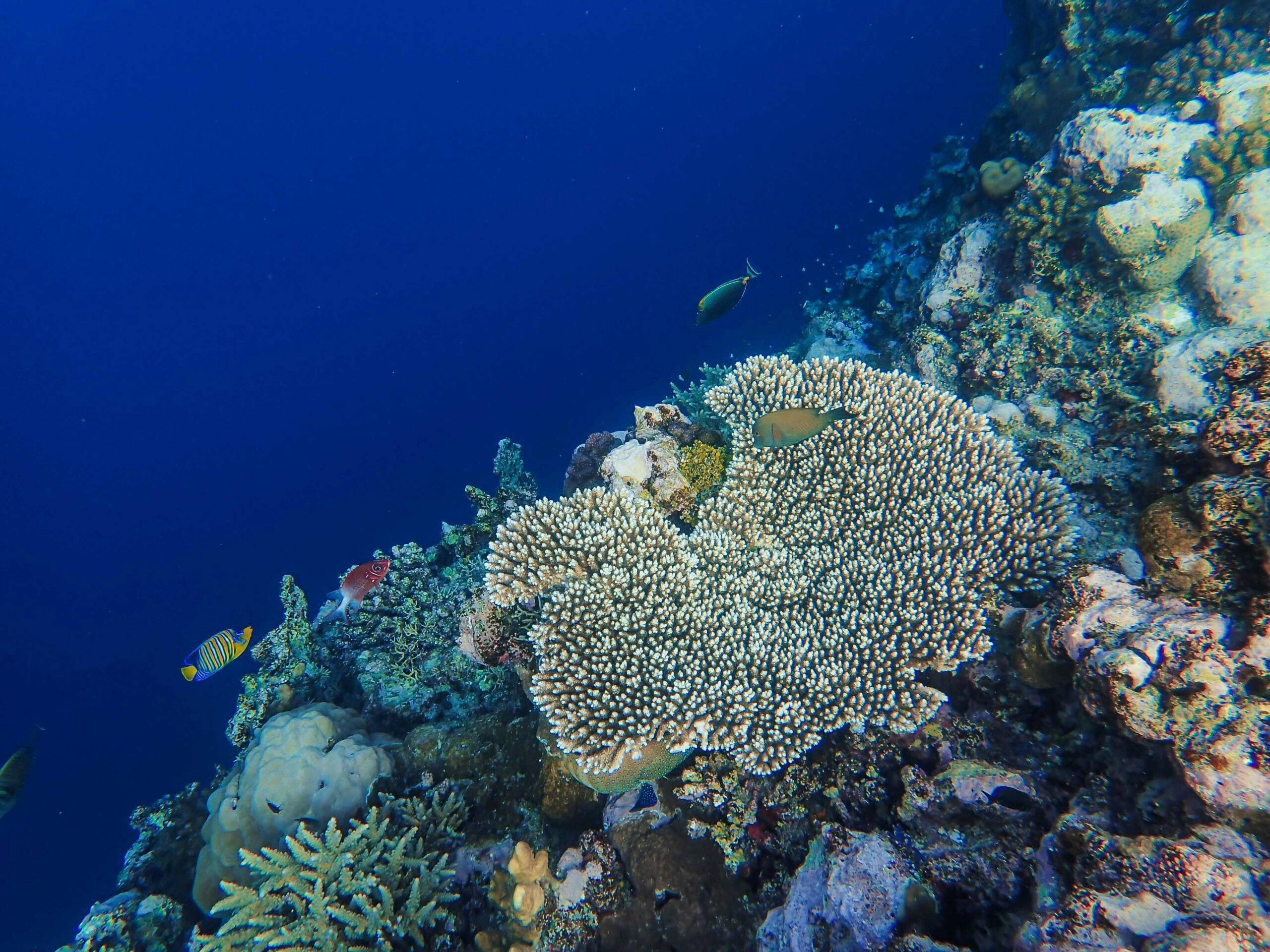
The world’s coral reefs are experiencing rapid decline, with scientists estimating that nearly 50% of coral cover has vanished over the past three decades. Tourism, while economically vital for coastal communities, contributes significantly to this degradation through physical damage, pollution, and ecosystem disruption. However, the relationship between tourism and coral conservation doesn’t have to be adversarial.
Anúncios
Sustainable seas tourism represents a paradigm shift—recognizing that the health of marine ecosystems directly correlates with long-term tourism viability. Coral reefs generate approximately $36 billion annually through tourism and recreation globally, making their preservation not just an environmental imperative but an economic necessity.
The challenge lies in balancing access with protection. Traditional mass tourism models have proven unsustainable, but emerging micro-solutions—small-scale, targeted interventions—are demonstrating that conscientious tourism can actually support coral restoration and marine biodiversity.
Anúncios
Understanding the Coral Crisis Through a Tourism Lens
Before implementing solutions, understanding the specific ways tourism damages coral ecosystems is essential. Physical contact from snorkelers and divers, even seemingly gentle touches, can damage delicate coral polyps that take decades to regenerate. Sunscreen chemicals, particularly oxybenzone and octinoxate, disrupt coral reproduction and cause bleaching at concentrations as low as 62 parts per trillion.
Anchor damage from tourist boats creates immediate physical destruction, while sediment stirred up by excessive water traffic blocks sunlight necessary for coral photosynthesis. Additionally, increased nutrient pollution from tourism infrastructure promotes algae growth that suffocates coral colonies.
Climate change amplifies these localized stressors, making resilient coral populations even more critical. This intersection of global and local threats means that micro-solutions addressing tourism impacts can significantly enhance coral resilience against broader environmental challenges.
🤿 Micro-Solutions for Responsible Reef Exploration
Reef-Safe Personal Care Products
The simplest yet most impactful micro-solution starts with what tourists apply to their skin. Reef-safe sunscreens using mineral-based ingredients like zinc oxide and titanium dioxide provide protection without toxic chemical runoff. Similarly, biodegradable soaps and shampoos used in coastal accommodations prevent harmful substances from entering marine ecosystems.
Many destinations now require reef-safe products, but individual traveler choices remain paramount. Reading ingredient labels, choosing certified products, and even skipping sunscreen for short, covered water activities all contribute to healthier reef systems.
Buoyancy Control and Non-Contact Diving
Proper diving and snorkeling techniques represent another crucial micro-solution. Many tourist-caused coral injuries result from poor buoyancy control—divers inadvertently kicking or touching reefs. Specialized briefings focusing on neutral buoyancy, awareness of fin placement, and maintaining appropriate distances transform tourists from threats into respectful observers.
Certification programs emphasizing coral-conscious diving create informed ambassadors who not only protect reefs themselves but influence others. Some dive operators now require buoyancy assessments before allowing reef access, ensuring participants possess skills necessary for damage-free exploration.
Mooring Buoys Instead of Anchors
Tourist boat anchors cause devastating coral destruction—a single anchor drop can destroy decades of growth in seconds. Installing permanent mooring buoys eliminates this damage entirely. While requiring initial investment, mooring systems prove cost-effective over time while preserving the very attractions tourists come to see.
Communities worldwide are implementing mooring buoy networks, often funded through modest user fees that tourists willingly pay. These systems also create revenue streams supporting ongoing marine conservation efforts, establishing virtuous cycles where tourism directly funds protection.
Technology-Enabled Sustainable Exploration 📱
Digital tools are revolutionizing how tourists interact with coral ecosystems. Marine identification apps transform casual snorkelers into citizen scientists, documenting species observations that contribute to scientific databases. GPS-enabled applications guide visitors to resilient reef areas while marking sensitive zones as off-limits.
Underwater photography apps encourage non-contact observation—tourists focus on capturing images rather than collecting specimens or touching marine life. Some applications even gamify conservation, awarding points for spotting specific species or visiting sustainably managed sites.
Virtual and augmented reality technologies offer another frontier. Pre-dive VR experiences educate tourists about coral ecosystems and proper behaviors before they enter the water. Augmented reality snorkel masks overlay species information in real-time, enhancing educational value without requiring physical interaction.
Community-Based Tourism Micro-Enterprises
Small-scale, community-operated tourism businesses often demonstrate superior sustainability compared to large resorts. Local guides possess intimate ecosystem knowledge and personal investment in long-term preservation. These micro-enterprises keep tourism revenue within communities, creating economic incentives for conservation.
Homestays, small guesthouses, and local tour operators typically have smaller environmental footprints than international resort chains. They also foster authentic cultural exchanges, enriching tourist experiences while distributing economic benefits more equitably.
Supporting these enterprises requires conscious tourist choices—researching locally owned businesses, booking directly rather than through third-party aggregators, and accepting that authentic experiences may lack luxury resort amenities but offer incomparably richer connections to place and people.
🐠 Coral Restoration Tourism: Giving Back While Exploring
Coral restoration programs increasingly incorporate tourist participation, transforming passive observers into active conservation contributors. Travelers can participate in coral gardening workshops, learning propagation techniques while helping establish new colonies. These hands-on experiences create profound connections between visitors and ecosystems.
Programs range from half-day workshops to week-long volunteer experiences. Participants clean coral nurseries, transplant fragments to degraded reefs, and monitor restoration sites. The physical labor provides tangible conservation impact while delivering uniquely meaningful travel memories.
Scientific rigor underlies these programs—participants work alongside marine biologists using evidence-based restoration methods. This ensures tourist involvement genuinely benefits coral health rather than becoming performative environmentalism without substantive impact.
Sustainable Snorkeling and Diving Certifications
Industry certifications establishing coral-friendly standards help tourists identify responsible operators. The Green Fins initiative, developed by the UN Environment Programme, assesses dive centers on environmental practices including briefing quality, waste management, and physical reef protection measures.
Tourists seeking certified operators drive market transformation—businesses recognize that sustainability credentials attract conscientious travelers willing to pay premium prices for responsible experiences. This economic signal encourages industry-wide adoption of better practices.
Beyond operator certifications, individual eco-diver credentials teach specialized skills for minimizing reef impact. These certifications complement standard diving qualifications, positioning sustainability expertise as mark of diving excellence rather than optional add-on.
Reducing Tourism Footprint on Coral Coastlines 🏖️
Waste Management Micro-Solutions
Plastic pollution devastates coral reefs, with debris smothering colonies and microplastics accumulating in the food chain. Tourist-generated waste significantly contributes to this problem, but micro-solutions can dramatically reduce impact.
Reusable water bottle programs, eliminating single-use plastics from accommodations, and organized beach cleanups all help. Some destinations implement deposit systems for beverage containers, ensuring proper disposal. These small interventions, multiplied across thousands of tourists, create substantial positive effects.
Tourists themselves can minimize waste by carrying reusable bags, bottles, and utensils, refusing plastic straws and unnecessary packaging, and participating in cleanup activities. Many travelers report that these actions enhance their sense of connection to destinations and provide satisfying purpose beyond consumption-focused tourism.
Sustainable Seafood Choices
Tourism drives seafood demand, often promoting overfishing that disrupts reef ecosystems. Herbivorous fish that control algae growth are particularly important for coral health, yet frequently targeted for tourist meals. Choosing sustainable seafood protects these crucial species.
Restaurants highlighting locally caught, sustainably harvested seafood help tourists make informed choices. Seasonal menus reflecting natural abundance patterns prevent overharvesting specific species. Some establishments even feature “reef-friendly menus” explicitly identifying choices supporting coral conservation.
Educational Micro-Interventions That Transform Behavior
Knowledge fundamentally shapes tourist behavior. Brief educational interventions—interpretive signage, pre-activity briefings, documentary screenings—significantly reduce harmful actions. These micro-solutions require minimal resources but deliver measurable benefits.
Effective educational content emphasizes specific behaviors rather than general environmental messages. “Stand on sand, not coral” proves more actionable than “protect the reef.” Visual demonstrations showing coral fragility and regeneration timescales create emotional connections motivating careful behavior.
Social norming—communicating that most visitors behave responsibly—encourages compliance better than punishment-focused messaging. Positive reinforcement and celebration of good practices build conservation cultures among tourist communities.
🌴 Integrating Indigenous and Local Ecological Knowledge
Indigenous and local communities possess generations of ecological wisdom about coral reef management. Tourism models incorporating this knowledge often prove more sustainable than approaches imposing external frameworks.
Traditional fishing restrictions, sacred sites that function as de facto marine protected areas, and seasonal access patterns developed over centuries often align with scientific conservation principles while enjoying greater community support and compliance.
Tourists benefit immensely from engaging with this knowledge—gaining deeper cultural understanding while supporting communities as conservation partners rather than obstacles to protection. This approach recognizes that successful coral conservation requires social sustainability alongside ecological goals.
Measuring and Monitoring Tourism Impact
Effective micro-solutions require assessment mechanisms determining what works. Simple monitoring protocols—coral cover surveys, fish population counts, water quality testing—help communities and operators evaluate their practices and adjust accordingly.
Citizen science programs enable tourists to contribute data while learning about ecosystems. Photo-monitoring techniques allow non-experts to document reef conditions over time, creating valuable longitudinal datasets for researchers.
Transparent reporting of monitoring results builds trust and accountability. Operators sharing their environmental performance data demonstrate genuine commitment to sustainability rather than superficial greenwashing, helping informed tourists choose truly responsible options.
Economic Models Supporting Coral-Friendly Tourism 💰
Financial structures must align economic incentives with conservation outcomes. Marine park entrance fees directly fund protection when properly managed. Dynamic pricing that adjusts based on visitor numbers can prevent overcrowding during vulnerable periods.
Length-of-stay incentives encourage slower, more immersive tourism rather than high-volume, quick-turnover models that concentrate impacts. Discounts for multi-day visits or extended stays reduce per-visit transportation emissions while deepening tourist connections to destinations.
Conservation bonds—refundable deposits returned when tourists complete stays without violations—provide financial motivation for responsible behavior while generating capital for management activities. Though requiring administrative infrastructure, these systems effectively align tourist self-interest with ecosystem protection.
Building a Personal Coral-Friendly Travel Practice
Individual tourists hold tremendous power to drive industry transformation through their choices. Researching destinations and operators before booking, asking about sustainability practices, and supporting certified businesses creates market pressure rewarding responsibility.
During travel, maintaining awareness and intention in every interaction with marine environments makes the difference. Choosing reef-safe products, practicing careful water techniques, minimizing waste, and participating in restoration activities all contribute meaningfully.
Post-trip actions extend impact—sharing experiences highlighting sustainable operators, posting reviews mentioning environmental practices, and maintaining connections with conservation organizations visited. These behaviors influence others’ choices and keep pressure on industry for continuous improvement.
🌏 The Ripple Effect of Small Actions
Micro-solutions might seem insufficient against massive environmental challenges, yet their cumulative effect proves remarkably powerful. When thousands of tourists choose reef-safe sunscreen, hundreds of operators install mooring buoys, and dozens of communities develop sustainable tourism enterprises, transformation occurs.
These approaches are replicable and scalable—success stories from one location inspire adoption elsewhere. Unlike massive infrastructure projects requiring enormous capital, micro-solutions can be implemented immediately with existing resources, creating momentum while larger systemic changes develop.
Perhaps most importantly, micro-solutions empower individuals. Rather than feeling helpless before global environmental crises, tourists and operators can take concrete actions delivering visible results. This empowerment sustains engagement and builds communities of practice sharing knowledge and supporting continued innovation.
Charting the Course Forward for Our Coral Reefs
The future of coral reefs depends on transforming tourism from threat to ally. Micro-solutions provide the practical pathway for this transformation—achievable actions that collectively create the sustainable tourism systems our oceans desperately need.
Every snorkeling trip, every dive, every coastal vacation represents an opportunity to either harm or help coral ecosystems. The choice belongs to tourists, operators, and communities. By embracing coral-friendly practices, we ensure that future generations can experience the breathtaking beauty and ecological richness of healthy coral reefs.
The time for action is now. Our sustainable seas await exploration—not through extraction and degradation, but through respectful engagement that honors these magnificent ecosystems while supporting the communities depending on them. Together, through countless small solutions, we can protect the coral reefs that protect us all.