Anúncios
Coastal communities worldwide face unprecedented threats from rising sea levels, intensified storms, and accelerating erosion, demanding innovative protection solutions that balance resilience with environmental stewardship.

🌊 The Growing Challenge of Coastal Vulnerability
Our shorelines are under siege. With over 40% of the global population living within 100 kilometers of the coast, the urgency to develop effective coastal defense mechanisms has never been more critical. Traditional approaches like concrete seawalls and rock revetments, while functional, often create more problems than they solve—disrupting natural sediment flow, damaging marine ecosystems, and proving vulnerable to the very forces they’re meant to withstand.
Anúncios
Climate change has accelerated these challenges exponentially. Sea levels are rising at approximately 3.4 millimeters per year, with projections suggesting increases of up to one meter by 2100. Simultaneously, storm intensity has increased, with hurricanes and cyclones delivering devastating blows to unprepared coastlines. The economic toll is staggering—coastal flooding alone costs billions annually in property damage, infrastructure destruction, and ecosystem degradation.
This perfect storm of circumstances has catalyzed innovation in coastal engineering, giving rise to modular defense systems that represent a paradigm shift in how we protect our shorelines. These solutions combine adaptability, sustainability, and effectiveness in ways that traditional methods simply cannot match.
Anúncios
Understanding Modular Coastal Defense Architecture
Modular defense systems represent a revolutionary approach to coastal protection, built on principles of flexibility, scalability, and environmental integration. Unlike monolithic structures that impose rigid barriers between land and sea, modular systems work with natural coastal dynamics rather than against them.
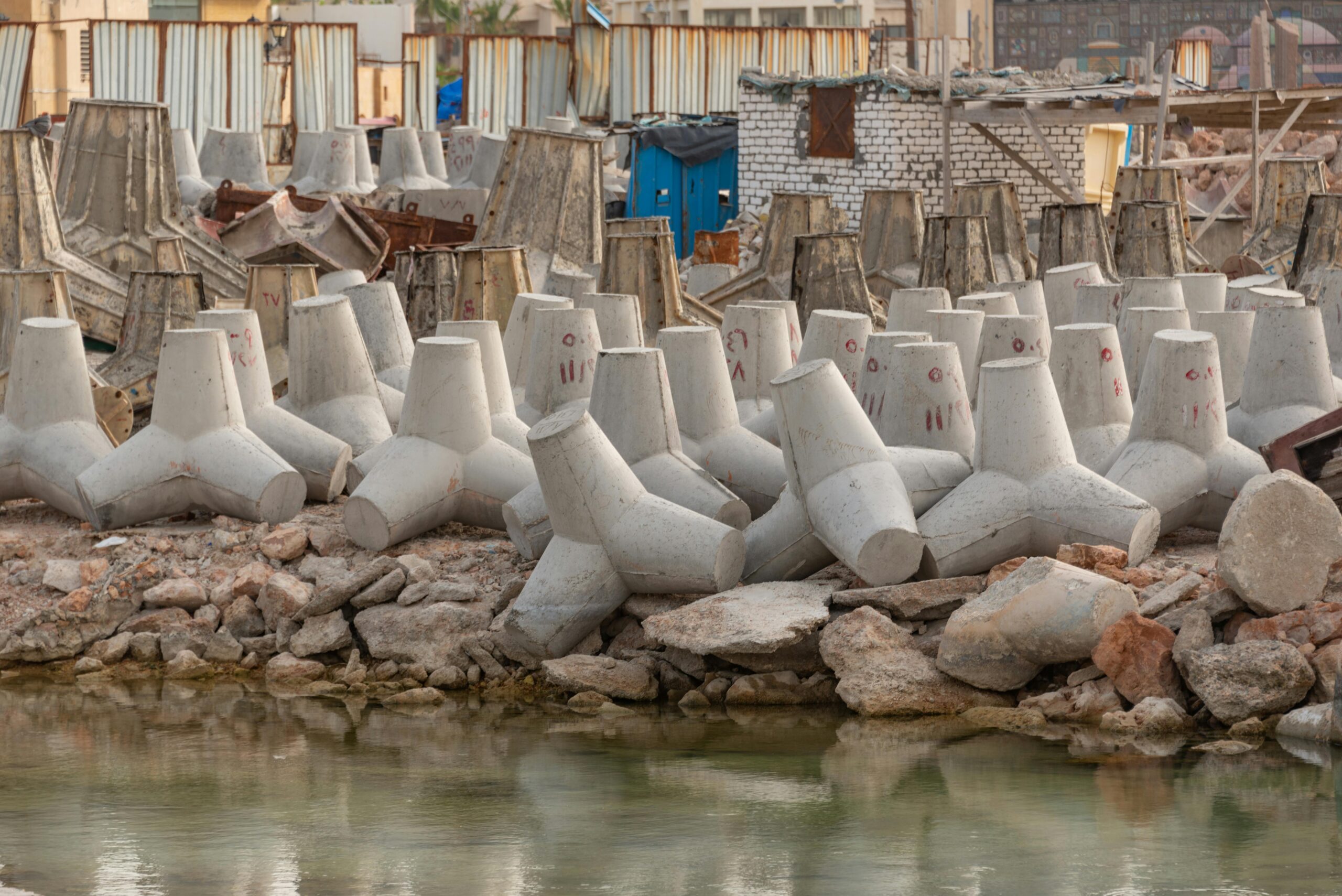
At their core, these systems consist of interconnected units that can be configured, reconfigured, and expanded according to specific site conditions and changing environmental circumstances. Think of them as coastal building blocks—each module serves a specific function, but their real power emerges when combined into comprehensive protection networks.
Key Components of Modern Modular Systems
Contemporary modular coastal defenses typically incorporate several integrated elements working in harmony:
- Wave attenuation units: Specially designed structures that dissipate wave energy before it reaches the shoreline, reducing erosive force while maintaining water circulation
- Breakwater modules: Interconnected barriers that create protected zones for sediment accumulation and habitat development
- Living shoreline elements: Bio-engineered components that support vegetation growth, combining structural strength with ecological functionality
- Adaptive foundations: Base systems that accommodate shifting substrates and changing water levels without structural failure
- Monitoring sensors: Integrated technology that tracks system performance, environmental conditions, and structural integrity in real-time
💡 Innovation in Material Science and Design
The effectiveness of modular coastal defense systems hinges significantly on materials that can withstand harsh marine environments while supporting rather than harming ecosystems. Recent advances in material science have opened exciting possibilities that weren’t available even a decade ago.
ECOncrete, for example, has pioneered bio-enhanced concrete that mimics natural rock complexity. Its textured surface with varying pH levels encourages colonization by marine organisms, transforming structural elements into artificial reefs. This approach turns defense infrastructure into ecological assets, supporting biodiversity while protecting shorelines.
Recycled materials are also making significant inroads. Some systems now incorporate repurposed plastic waste, glass aggregates, and recycled concrete rubble, addressing two environmental challenges simultaneously. These materials undergo rigorous testing to ensure they match or exceed traditional options in durability and performance.
Fiber-reinforced polymers offer another promising avenue. Lightweight yet incredibly strong, these composites resist corrosion far better than steel-reinforced concrete, dramatically extending system lifespan while reducing installation costs and complexity. Their reduced weight also means smaller equipment can handle installation, minimizing environmental disturbance during construction.
Biomimicry: Learning from Nature’s Designs
Some of the most exciting innovations draw inspiration directly from nature. Coral reef-inspired structures replicate the wave-breaking effectiveness of natural reefs, with complex geometries that dissipate energy while creating habitat. Oyster reef-mimicking modules harness the natural filtering and shoreline-stabilizing properties of these remarkable bivalves.
Mangrove-inspired pile systems recreate the wave-damping and sediment-trapping functions of these coastal forests, proving effective even where natural mangroves can no longer survive. These biomimetic approaches acknowledge that nature has spent millions of years perfecting coastal defense—we just need to learn from those solutions.
Strategic Deployment: From Concept to Coastline
Implementing modular coastal defense systems requires careful planning, thorough site analysis, and stakeholder collaboration. The flexibility these systems offer is both their greatest strength and a source of complexity—countless configuration options mean decisions must be grounded in solid data and clear objectives.
The deployment process typically begins with comprehensive coastal assessment. Engineers analyze wave patterns, tidal ranges, sediment transport, existing infrastructure, and ecological considerations. Advanced modeling software simulates different configurations, predicting performance under various scenarios including extreme weather events.
Community engagement forms another critical component. Coastal defense projects affect livelihoods, property values, recreational opportunities, and cultural connections to the sea. Successful projects involve local stakeholders from early planning stages, incorporating their knowledge, concerns, and priorities into final designs.
Installation Methods and Timeline Considerations
One significant advantage of modular systems is their relatively rapid deployment compared to traditional construction. Many modules can be fabricated off-site in controlled conditions, then transported and installed with minimal on-site work. This approach reduces construction timeframes, weather-related delays, and environmental disturbance.
Installation methods vary depending on system type and site conditions. Some modules are anchored to existing substrate using pile foundations or gravity-based footings. Others are partially buried, with sediment naturally accumulating around them to enhance stability. Floating modules, secured with flexible moorings, offer protection while adapting to changing water levels.
Phased implementation allows systems to grow incrementally, spreading costs over time and enabling adjustments based on initial performance. Communities can start with critical areas, expanding protection as funding becomes available or as erosion patterns evolve.
🔬 Technology Integration for Enhanced Performance
Modern modular coastal defenses are increasingly “smart,” incorporating sensors, communication networks, and data analytics that transform passive structures into active management systems. This technological integration represents a quantum leap in how we understand and optimize coastal protection.
Embedded sensors continuously monitor wave heights, water levels, structural stress, sediment movement, and ecosystem health. This real-time data flows to central management systems where algorithms analyze patterns, predict maintenance needs, and alert managers to potential issues before they become critical.
Some advanced systems incorporate adaptive elements that respond automatically to changing conditions. Adjustable barriers can alter their configuration as wave conditions change, maximizing protection during storms while maintaining water flow during calm periods. This dynamic responsiveness dramatically improves both effectiveness and environmental compatibility.
Drone technology enables efficient monitoring and inspection across extensive coastal defense networks. Aerial surveys capture high-resolution imagery and topographic data, documenting system performance and identifying areas requiring attention. Underwater drones inspect submerged components, checking for damage, sediment accumulation, or biological colonization.
Data-Driven Decision Making
The wealth of information generated by instrumented coastal defense systems supports evidence-based management decisions. Historical data reveals performance patterns, informing design improvements for future installations. Predictive analytics forecast maintenance requirements, optimizing resource allocation and preventing failures.
This data also provides valuable insights for coastal planning beyond the defense systems themselves. Sediment transport patterns, wave climate trends, and ecosystem responses inform broader land-use decisions, helping communities develop more resilient coastal zones.
Environmental Benefits and Ecosystem Enhancement 🌿
Perhaps the most transformative aspect of modern modular coastal defense systems is their potential to enhance rather than degrade coastal ecosystems. This represents a fundamental departure from traditional approaches that typically sacrificed environmental quality for protective function.
By incorporating habitat-friendly designs and materials, these systems create opportunities for marine life. Textured surfaces support algae and sessile invertebrates. Interstitial spaces provide refuge for fish and crustaceans. The structures themselves often develop into productive artificial reefs, supporting biodiversity comparable to natural habitats.
Living shoreline approaches integrate vegetation directly into defense systems. Salt marsh grasses, seagrasses, and mangroves stabilize sediments with their roots while their above-ground biomass dissipates wave energy. These hybrid natural-engineered systems deliver multiple benefits—coastal protection, carbon sequestration, water filtration, and nursery habitat for commercially important species.
Some systems incorporate specific features designed to support targeted species. Oyster castles provide substrate for reef-building bivalves. Seagrass-friendly designs maintain light penetration and sediment conditions that support these critical marine plants. Fish-friendly structures include features that attract and shelter specific species, enhancing local fisheries.
Economic Considerations and Cost-Effectiveness 💰
Coastal defense represents a significant investment, and modular systems must demonstrate economic viability to gain widespread adoption. While initial costs can be substantial, comprehensive analysis reveals compelling economic advantages over traditional approaches and particularly over the costs of inaction.
Lifecycle cost analysis typically shows modular systems comparing favorably to traditional alternatives. Their durability, reduced maintenance requirements, and adaptability extend functional lifespan while lowering long-term expenses. The ability to expand or reconfigure systems as needs change avoids the costly complete replacements often required with conventional infrastructure.
Avoided damages represent another crucial economic consideration. Property damage, infrastructure destruction, emergency response costs, and economic disruption from coastal flooding and erosion cost billions annually. Effective coastal defense systems prevent these losses, delivering return on investment that extends far beyond the immediate shoreline.
Co-benefits add significant but often overlooked economic value. Enhanced recreational opportunities, improved fisheries productivity, increased property values, and tourism attraction all contribute to community prosperity. These benefits, while harder to quantify than construction costs, meaningfully impact local economies.
Funding Mechanisms and Financial Innovation
Innovative financing approaches are emerging to support coastal defense deployment. Green bonds specifically dedicated to climate adaptation infrastructure attract investors interested in sustainable development. Resilience bonds tie returns to project performance, incentivizing effective design and implementation.
Public-private partnerships distribute costs and risks between government entities and private sector participants. Insurance industry involvement is growing as insurers recognize that investing in loss prevention through coastal defense reduces their exposure to catastrophic claims.
🌍 Global Success Stories and Lessons Learned
Around the world, communities are implementing modular coastal defense systems with impressive results, generating valuable insights that inform best practices and future developments.
The Netherlands, perennial leaders in coastal engineering, have embraced modular living shoreline approaches along portions of their extensive coastline. Projects combining vegetation, flexible barriers, and adaptive infrastructure demonstrate that even a nation famous for rigid dikes can evolve toward more nuanced solutions.
In the United States, the Living Breakwaters project along Staten Island’s south shore combines concrete modules designed to support oyster colonization with wetland restoration. Early results show significant wave attenuation, developing reef communities, and positive community reception, validating the integrated approach.
Small island nations, facing existential threats from sea level rise, are pioneering innovative applications. The Maldives is experimenting with floating modules that rise with water levels, maintaining protection despite changing conditions. These extreme circumstances drive creative solutions applicable to less threatened coastlines.
Southeast Asian communities are revitalizing traditional approaches through modern engineering. Bamboo-based modular systems, refined with contemporary materials science and structural analysis, provide affordable protection while supporting local economies and maintaining cultural practices.
Future Horizons: Emerging Trends and Technologies
The field of modular coastal defense continues evolving rapidly, with emerging technologies and approaches promising even more effective and sustainable solutions.
Artificial intelligence and machine learning are beginning to optimize system design and management. Algorithms analyze vast datasets to identify patterns invisible to human observers, predicting performance outcomes for untested configurations and recommending optimal maintenance schedules.
Self-healing materials represent an exciting frontier. Concrete that repairs its own cracks through bacterial limestone production or polymer systems that flow and rebond when damaged could dramatically extend infrastructure lifespan while reducing maintenance costs and disruption.
Modular energy harvesting systems that capture wave power while providing coastal protection offer intriguing possibilities. These dual-purpose installations generate renewable electricity while dissipating destructive wave energy, delivering multiple benefits from single infrastructure investments.
Augmented reality tools are improving planning and stakeholder engagement. Communities can visualize proposed systems in actual coastal settings before construction, facilitating informed decision-making and building public support.
Building Resilient Shorelines for Tomorrow’s Challenges 🛡️
As we confront accelerating coastal threats, modular defense systems offer a path forward that balances human needs with environmental integrity. Their flexibility allows tailored responses to unique site conditions. Their adaptability enables adjustment as circumstances change. Their potential for ecosystem enhancement transforms protection from a necessary burden into an opportunity for restoration.
Success requires continued innovation in materials, design, and implementation approaches. It demands collaboration across disciplines—engineers, ecologists, social scientists, economists, and local communities all bring essential perspectives. Investment in research, monitoring, and adaptive management will ensure systems evolve as our understanding deepens.
The coastlines we protect today will shape opportunities and constraints for generations to come. By embracing modular approaches that work with natural systems rather than against them, we can build shorelines that are not merely defended but truly resilient—capable of absorbing shocks, adapting to change, and supporting the diverse life and livelihoods that depend on healthy coastal zones.
The transition from rigid, environmentally destructive coastal infrastructure to flexible, ecosystem-enhancing modular systems represents more than technological advancement. It reflects a maturing understanding of our relationship with the ocean—recognizing that we cannot dominate natural forces but can learn to coexist with them intelligently. In this evolution lies hope for coastal communities worldwide, facing an uncertain future with innovative tools and renewed wisdom.