Anúncios
Coastal fishing communities face mounting plastic waste challenges, yet micro-projects are emerging as powerful catalysts to transform marine debris into economic opportunity and environmental restoration.

🌊 The Plastic Predicament in Coastal Communities
Fishing villages worldwide are drowning in plastic waste. Discarded fishing nets, buoys, ropes, and packaging materials accumulate along shorelines and in harbors, creating environmental hazards while diminishing the very resources these communities depend upon. The paradox is striking: the ocean provides livelihoods for millions, yet plastic pollution threatens both marine ecosystems and fishing economies simultaneously.
Anúncios
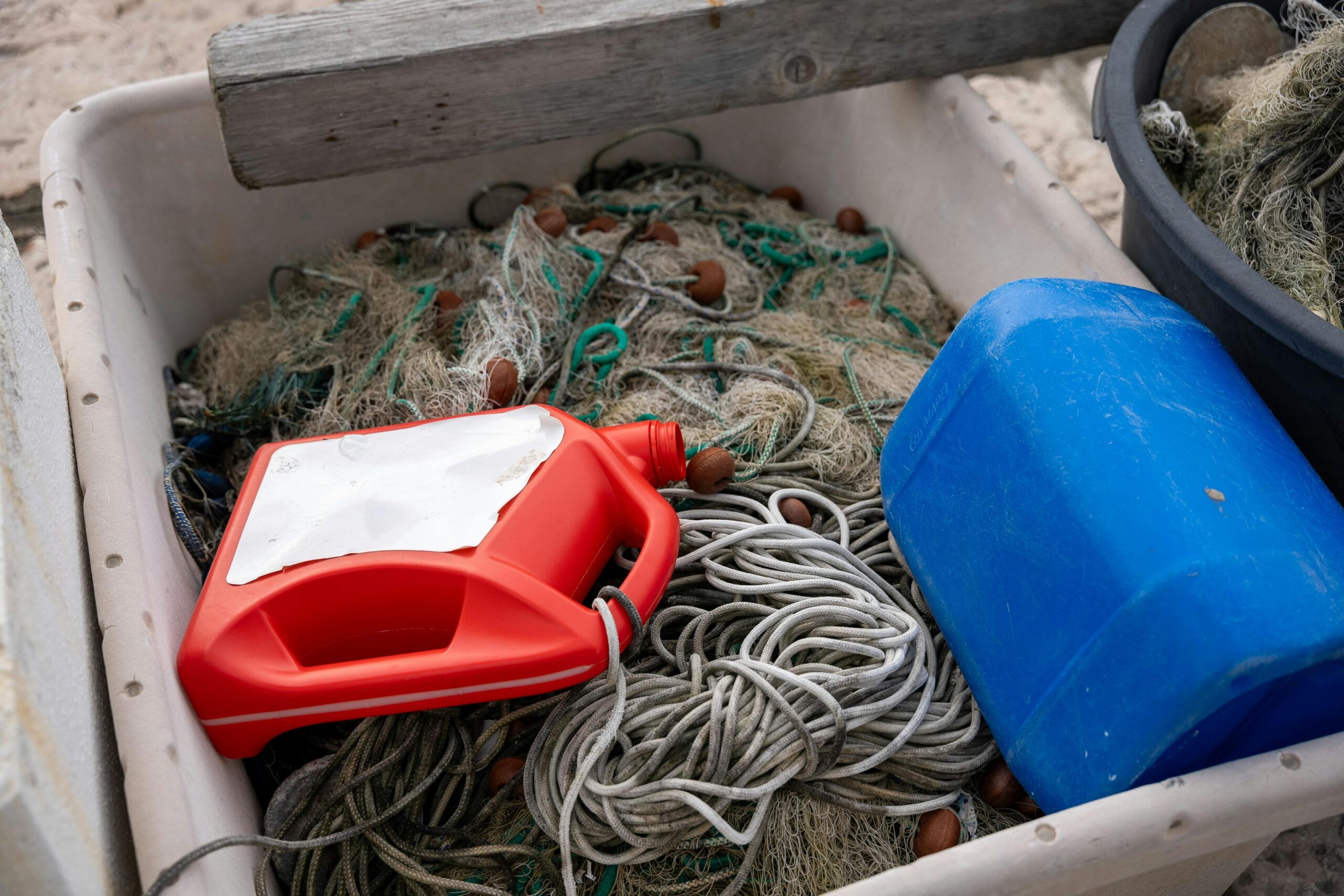
Approximately 640,000 tons of fishing gear are abandoned in oceans annually, accounting for roughly 10% of all marine plastic pollution. For fishing villages, this isn’t just an environmental concern—it’s an economic threat that tangles propellers, damages boats, and reduces fish populations. Traditional waste management systems often bypass these remote communities, leaving residents without viable disposal options.
However, a growing movement recognizes that plastic waste represents untapped potential rather than merely a problem. By implementing micro-projects focused on plastic-to-value conversion, fishing villages can simultaneously address pollution while generating supplementary income streams. These small-scale initiatives are proving that environmental stewardship and economic development aren’t opposing forces but complementary goals.
Anúncios
💡 Understanding Plastic-to-Value Micro-projects
Micro-projects represent localized, community-driven initiatives designed to convert plastic waste into valuable products or services. Unlike large-scale industrial recycling operations requiring significant capital investment, these projects operate at a scale appropriate for small fishing communities, typically involving 10-50 participants and modest initial funding.
The beauty of micro-projects lies in their adaptability. They can be tailored to local resources, skills, and market demands while maintaining low operational barriers. Most importantly, they keep value creation within the community rather than extracting raw materials for processing elsewhere.
Core Components of Successful Micro-projects
Effective plastic-to-value initiatives in fishing villages typically incorporate several essential elements that ensure sustainability and community acceptance:
- Community ownership: Projects led by local residents rather than external organizations demonstrate higher success rates and longevity
- Simple technology: Solutions requiring minimal technical expertise enable broader participation and reduce dependency on outside experts
- Clear value proposition: Direct economic benefits motivate continued engagement and attract new participants
- Environmental education: Understanding plastic’s impact transforms participation from obligation to conviction
- Market connections: Established channels for selling finished products ensure financial viability
🎣 From Ghost Nets to Gold: Transformation Success Stories
Fishing villages across continents are demonstrating that plastic waste can become economic assets through creative micro-projects. These real-world examples illuminate pathways other communities can follow.
The Net Regeneration Initiative
In Kerala, India, fishing communities established collection systems for abandoned nets, traditionally called “ghost nets” because they continue trapping marine life long after abandonment. Rather than disposing of these nets, villagers learned to clean, shred, and process the nylon into pellets. Local entrepreneurs then use these pellets to manufacture durable products like storage containers, tool handles, and construction materials.
This initiative generates approximately $200-300 monthly supplementary income for participating fishers while removing tons of hazardous waste from coastal waters. The project’s success stems from its simplicity—collection requires no special skills, processing equipment costs under $2,000, and markets for recycled nylon products already exist.
Plastic Brick Production in the Philippines
Several Filipino fishing villages have adopted “eco-brick” production, compressing collected plastic waste into construction blocks. These bricks demonstrate surprising durability and water resistance, making them ideal for building fish storage facilities, community centers, and home extensions in flood-prone areas.
The micro-project model requires minimal equipment: a simple compression mold, mixing containers, and binding materials. Community members collect plastics during beach cleanups, sort by type, then create bricks during cooperative work sessions. The resulting products either serve community building needs or sell to regional construction companies seeking sustainable materials.
🔧 Practical Technologies for Small-scale Plastic Processing
Technological accessibility determines whether fishing villages can realistically implement plastic-to-value projects. Fortunately, innovations in small-scale processing equipment have dramatically lowered entry barriers.
The Precious Plastic Movement
Open-source designs from the Precious Plastic project provide blueprints for building plastic processing machines from commonly available materials. These include shredders, injection molders, compression machines, and extrusion equipment—all constructible for under $1,500 using basic metalworking skills.
Fishing communities with access to welding equipment and mechanical knowledge can fabricate these machines locally, eliminating expensive purchases and creating maintenance capabilities within the village. The open-source nature means continuous improvements and adaptations emerge from global community contributions.
Solar-powered Processing Units
Energy access challenges many remote fishing villages, but solar-powered plastic processing units offer solutions. Simple solar concentrators generate sufficient heat to melt and mold plastics without electricity. These low-tech approaches suit communities lacking reliable power infrastructure while demonstrating environmental consistency—renewable energy processing recyclable materials.
| Technology Type | Approximate Cost | Skill Level Required | Best Applications |
|---|---|---|---|
| Manual Shredder | $200-500 | Basic | Size reduction, sorting preparation |
| Compression Mold | $100-300 | Basic | Eco-bricks, tiles, panels |
| Injection Molder | $800-1,500 | Intermediate | Small products, parts, accessories |
| Extrusion Machine | $1,000-2,000 | Intermediate | Filaments, rods, structural elements |
🌍 Building Circular Economies in Coastal Areas
Micro-projects achieve greatest impact when integrated into broader circular economy frameworks where waste from one process becomes input for another. Fishing villages possess unique advantages for developing these closed-loop systems.
Consider the interconnections: plastic waste collected during fishing operations gets processed into storage containers for catches, boat repair materials, or buoys for marking nets. Fish processing facilities use recycled plastic crates and cutting boards. Community workshops produce fishing accessories from ocean plastics. Each connection strengthens economic resilience while reducing environmental footprint.
Creating Value Chains Within Villages
Successful circular economies require multiple participants playing complementary roles. Fishing villages can organize these functions through cooperative models:
- Collection teams: Fishers who gather plastics during regular operations receive payment per kilogram
- Sorting specialists: Individuals categorize plastics by type and color for appropriate processing
- Processing operators: Trained community members run transformation equipment
- Product manufacturers: Artisans and entrepreneurs create finished goods from processed materials
- Marketing coordinators: Members who connect products with buyers and manage sales
This distribution of roles ensures broad participation while allowing individuals to specialize in areas matching their interests and abilities. Income generation extends beyond just those operating machinery to encompass the entire value chain.
💰 Financial Models and Funding Strategies
Securing initial capital represents a common barrier for fishing village micro-projects. However, numerous funding pathways exist specifically designed for community-led environmental initiatives.
Microfinance and Community Investment
Many fishing villages successfully launch projects through community savings groups where members contribute small amounts weekly or monthly. This collective investment model builds ownership while generating sufficient capital for basic equipment purchases. Microfinance institutions increasingly recognize plastic-to-value projects as viable lending opportunities, offering small loans with favorable terms.
Grant Opportunities and Corporate Partnerships
Environmental foundations, government programs, and corporate social responsibility initiatives actively seek grassroots projects addressing marine plastic pollution. Fishing villages presenting well-structured proposals demonstrating community commitment often secure grants ranging from $2,000 to $20,000 for equipment, training, and initial operations.
Corporate partnerships offer another avenue, particularly with companies facing pressure to address plastic footprints. Brands in fishing equipment, seafood processing, or outdoor recreation increasingly invest in source communities, providing funding in exchange for storytelling opportunities and supply chain sustainability improvements.
📚 Education and Skill Development Essentials
Technical skills determine micro-project success, yet fishing communities may lack plastics processing experience. Structured training programs bridge this gap while creating broader environmental awareness.
Hands-on Workshop Approaches
Effective training emphasizes practical experience over theoretical knowledge. Multi-day workshops where participants collect plastics, operate equipment, and create products under expert guidance build confidence and competence. These sessions work best when conducted in the village itself, using equipment the community will actually employ.
Peer-to-peer learning accelerates skill development. When one fishing village establishes successful operations, neighboring communities can visit for hands-on learning. This approach proves more effective than external consultants because participants observe peers with similar backgrounds succeeding, making success feel attainable.
Environmental Awareness Integration
Understanding why plastic-to-value matters sustains long-term commitment beyond immediate economic incentives. Educational components explaining ocean plastic impacts, marine ecosystem health, and global pollution challenges transform participants into environmental advocates who champion projects during difficult periods.
🤝 Overcoming Common Challenges and Barriers
Despite promising potential, fishing village micro-projects face predictable obstacles. Anticipating and addressing these challenges increases success probability.
Market Access and Product Quality
Creating products represents only half the challenge—selling them completes the equation. Many fishing villages lack commercial connections and marketing experience. Partnering with regional cooperatives, eco-tourism operators, or fair-trade organizations provides market access. Digital platforms connecting artisan producers with conscious consumers offer another channel, though internet connectivity may limit this option.
Product quality consistency determines buyer relationships. Establishing quality standards and inspection processes ensures outputs meet customer expectations. This may require designating quality control roles and implementing feedback systems for continuous improvement.
Seasonal Fluctuations and Weather Dependency
Fishing communities experience seasonal income variations based on fishing seasons, weather patterns, and market prices. Plastic-to-value micro-projects can provide counter-seasonal income during slow fishing periods, but this requires planning for irregular participation levels. Flexible production schedules and diverse product portfolios help accommodate these fluctuations.
Scaling Without Losing Community Character
Successful projects attract growth opportunities, but scaling too rapidly can undermine the community-centered nature that made them effective. Maintaining cooperative structures, equitable benefit distribution, and local decision-making authority while expanding requires conscious governance frameworks. Some communities find federation models work well—independent village projects collaborating for bulk sales or shared equipment rather than centralizing operations.
🌟 The Ripple Effects Beyond Economics
While economic benefits motivate participation, plastic-to-value micro-projects generate broader community transformations that extend far beyond financial returns.
Social Cohesion and Collective Pride
Collaborative projects strengthen community bonds as residents work toward shared goals. The visible environmental improvements—cleaner beaches, reduced harbor debris—generate collective pride. External recognition for environmental leadership enhances community identity and attracts positive attention.
Youth Engagement and Future Orientation
Micro-projects create roles for youth who might otherwise migrate to cities seeking opportunities. Young people bring digital literacy, creative product ideas, and energy while gaining reasons to remain invested in village futures. This intergenerational collaboration bridges traditional fishing knowledge with innovative environmental solutions.
Women’s Empowerment Opportunities
Fishing remains predominantly male in many cultures, but plastic-to-value projects offer women significant participation opportunities in collection, processing, and product creation. Income generation under women’s control strengthens household financial stability and elevates women’s decision-making roles within communities.
🚀 Scaling Impact Through Networks and Collaboration
Individual village success stories inspire replication, but coordinated networks multiply impact exponentially. Regional federations of fishing village micro-projects create collective bargaining power, shared learning platforms, and political influence for environmental policies.
These networks facilitate bulk sales negotiations, equipment purchases at volume discounts, and shared transportation logistics. Knowledge exchanges allow villages to learn from each other’s innovations and avoid repeated mistakes. Collective advocacy amplifies voices when engaging government agencies about waste management infrastructure or marine protection regulations.
Digital Platforms for Connection
Technology enables fishing villages separated by geography to collaborate virtually. WhatsApp groups, Facebook communities, and dedicated platforms connect practitioners for real-time problem-solving and encouragement. Video documentation of techniques allows villages to learn new methods without expensive travel for in-person training.
🎯 Designing Your Village’s Plastic-to-Value Initiative
Every fishing community possesses unique characteristics requiring customized approaches, yet successful projects share common development pathways.
Assessment and Planning Phase
Begin by documenting plastic waste volumes, types, and sources within your community. What plastics accumulate most? Which create greatest problems? Survey community members about interest levels, available time, and existing skills. This baseline understanding informs realistic project design.
Research local and regional markets for potential products. What gaps exist? Who might purchase recycled plastic goods? Understanding demand before production prevents creating unwanted inventory.
Pilot Project Approach
Start small with pilot initiatives involving 5-10 committed participants and one simple product type. This manageable scale allows learning without overwhelming resources or creating unsustainable expectations. Document successes, challenges, and lessons carefully. Use pilot results to refine approaches before expanding.
Continuous Improvement Culture
Establish regular reflection sessions where participants discuss what’s working and what needs adjustment. Welcome experimentation with new products, techniques, or organizational approaches. Celebrate small wins while maintaining realistic expectations about challenges. Persistence through difficulties separates successful long-term projects from abandoned attempts.
🌊 The Tide Is Turning
Fishing villages stand at critical junctures—climate change, ocean pollution, and economic pressures threaten traditional livelihoods while external support systems remain inadequate. Plastic-to-value micro-projects offer no universal solution, but they provide practical pathways for communities to address immediate challenges while building sustainable futures.
The transformation potential extends beyond environmental cleanup or supplementary income. These initiatives demonstrate that marginalized coastal communities possess agency, innovation, and resilience. When supported with appropriate resources and knowledge, fishing villages become environmental leaders rather than pollution victims, economic innovators rather than aid recipients.
Success stories emerging globally prove viability across diverse contexts—from tropical Pacific islands to Mediterranean fishing towns, from Southeast Asian coastal villages to Caribbean communities. The common thread isn’t geography or culture but commitment: communities deciding their futures and acting collectively toward better outcomes.
For fishing villages considering this path, the moment for action has arrived. Ocean plastic won’t disappear spontaneously, and waiting for external solutions means continued environmental degradation and missed economic opportunities. Starting small, learning continuously, and persisting through challenges creates momentum that compounds over time.
The plastic waste surrounding fishing villages represents both crisis and opportunity. Micro-projects focused on plastic-to-value conversion unlock the opportunity while addressing the crisis. Through community-driven initiative, accessible technology, creative product development, and collaborative networks, fishing villages worldwide are indeed turning the tide—transforming pollution into prosperity, one small project at a time.
The ocean has always provided for fishing communities. Now, these communities can return the favor, healing marine environments while securing their own sustainable futures. The potential awaits unlocking—will your village be next to transform plastic waste into community wealth? 🌊♻️