Anúncios
Marine ecotourism offers a transformative path toward ocean conservation while empowering coastal communities through sustainable economic opportunities that honor both nature and culture.

🌊 The Rising Wave of Small-Scale Marine Ecotourism
Small marine ecotourism projects represent a powerful intersection of environmental stewardship, community development, and authentic travel experiences. Unlike mass tourism operations that often deplete natural resources and overwhelm fragile ecosystems, these intimate ventures prioritize conservation while creating meaningful connections between visitors and marine environments.
Anúncios
The global ecotourism market has experienced remarkable growth, with marine-based experiences becoming increasingly sought after by conscious travelers. These small-scale initiatives distinguish themselves through personalized encounters with ocean wildlife, direct engagement with local communities, and transparent sustainability practices that larger operations struggle to implement.
Community-led marine ecotourism projects typically operate in biodiverse coastal regions where traditional livelihoods like fishing face challenges from overharvesting, climate change, and industrial competition. By transitioning toward or supplementing income through responsible tourism, these communities become active guardians of their marine resources rather than exploiting them for short-term gain.
Anúncios
Building Blocks of Sustainable Marine Tourism Operations
Successful small marine ecotourism ventures share several fundamental characteristics that distinguish them from conventional tourism businesses. Understanding these core elements helps entrepreneurs, communities, and investors develop projects with genuine sustainability credentials rather than superficial greenwashing.
Community Ownership and Participation
The most resilient marine ecotourism projects embed local communities at every operational level. This means more than employing local staff—it requires genuine community ownership of decision-making processes, profit-sharing arrangements, and cultural preservation initiatives. When community members hold meaningful stakes in tourism ventures, they naturally become invested in protecting the marine resources that attract visitors.
Examples from the Philippines, Indonesia, and coastal Mexico demonstrate how indigenous knowledge systems integrate seamlessly with modern conservation practices. Local fishers become expert guides who share traditional ecological knowledge while monitoring reef health. Women’s cooperatives develop sustainable seafood enterprises that supply ecotourism facilities while practicing selective harvesting techniques.
Environmental Impact Minimization
Small-scale operations possess inherent advantages in reducing environmental footprints. Limited visitor numbers prevent ecosystem overload, while direct community oversight ensures adherence to conservation protocols. However, sustainability requires intentional design choices across all operational aspects.
- Implementation of strict waste management systems with zero-waste goals
- Use of renewable energy sources such as solar panels and wind generators
- Establishment of marine protected zones within tourism areas
- Adoption of reef-safe products and elimination of single-use plastics
- Installation of mooring buoys to prevent anchor damage to coral reefs
- Regular environmental monitoring and adaptive management practices
These operational standards transform tourism businesses into active conservation tools rather than passive observers or, worse, contributors to marine degradation.
🐠 Creating Authentic Marine Encounters That Transform Perspectives
The experiential quality of small marine ecotourism projects sets them apart in an increasingly commodified travel industry. Visitors seek authentic connections with marine environments—opportunities to understand complex ecosystems, witness wildlife behaviors in natural contexts, and participate meaningfully in conservation efforts.
Snorkeling and diving experiences led by local guides provide educational depth impossible in mass tourism settings. These guides explain symbiotic relationships between species, identify indicator organisms revealing ecosystem health, and share stories about how marine conditions have changed across generations. This narrative approach transforms simple wildlife viewing into profound learning experiences.
Participation-based activities deepen engagement further. Visitors might join coral restoration projects, assist with marine debris cleanups, contribute to citizen science data collection, or learn traditional sustainable fishing methods. These hands-on experiences create emotional investment in conservation outcomes that persists long after travelers return home.
Seasonal Adaptations and Wildlife Respect
Sustainable marine ecotourism operations align their calendars with natural cycles rather than attempting year-round maximum capacity. Seasonal closures during breeding periods, migration routes, or monsoon seasons protect vulnerable species while giving ecosystems recovery time.
Wildlife interaction protocols reflect current scientific understanding of animal welfare. Responsible operators maintain appropriate distances from marine mammals, prohibit touching or feeding wildlife, limit group sizes during encounters, and train staff to recognize stress behaviors in animals. These practices ensure tourism presence doesn’t disrupt natural behaviors or habitats.
Economic Models That Balance Profit and Preservation
Financial sustainability remains essential for long-term conservation impact. Marine ecotourism projects must generate sufficient revenue to support communities, fund conservation activities, and maintain operational standards—all while keeping prices accessible enough to attract steady visitor flows.
Many successful projects adopt hybrid revenue models combining multiple income streams. Direct tourism activities like guided tours and accommodation provide baseline revenue, while complementary enterprises add financial resilience. These might include sustainable seafood sales, handicraft production, photography workshops, or environmental education programs for schools.
Pricing Strategies for Sustainability
Small marine ecotourism ventures often struggle with pricing decisions. Setting fees too low undermines financial viability and can attract excessive visitor numbers, while prices perceived as too high may limit market reach. Strategic pricing considers multiple factors:
| Pricing Factor | Consideration | Impact on Sustainability |
|---|---|---|
| Conservation Fee | Transparent surcharge funding protection activities | Directly supports habitat restoration and monitoring |
| Group Size Limits | Premium pricing for smaller, exclusive experiences | Reduces environmental impact while maintaining revenue |
| Seasonal Variation | Dynamic pricing reflecting ecosystem capacity | Encourages visitation during low-impact periods |
| Local Resident Rates | Accessible pricing for community environmental education | Builds local conservation constituency |
Transparent communication about how tourism fees support conservation helps visitors understand value beyond mere service provision. When travelers see their contributions funding tangible outcomes—coral restoration, ranger employment, education programs—they willingly pay premium rates.
🌍 Navigating Challenges in Marine Ecotourism Development
Despite their promise, small marine ecotourism projects face substantial obstacles that threaten sustainability and even survival. Understanding these challenges helps stakeholders develop realistic strategies and support systems.
Climate Change and Environmental Volatility
Marine ecosystems face unprecedented pressures from warming waters, ocean acidification, and extreme weather events. Coral bleaching events devastate reef tourism destinations, while changing fish populations alter wildlife viewing opportunities. Successful projects build resilience through diversification—developing multiple attraction points, creating artificial reefs to supplement natural ones, and maintaining flexibility to adapt offerings as conditions change.
Market Access and Promotion
Small operations often lack marketing expertise and resources to reach potential visitors in competitive global tourism markets. Digital presence remains minimal for many community-based projects, limiting discoverability. Strategic partnerships with ethical tour operators, conservation organizations, and travel bloggers help amplify visibility without requiring substantial marketing budgets.
Social media platforms provide powerful free marketing tools when used effectively. Compelling photography, authentic storytelling, and regular engagement build follower communities that translate into bookings. User-generated content from satisfied visitors creates credible social proof that outperforms traditional advertising.
Regulatory and Policy Environments
Government regulations significantly impact marine ecotourism viability. Supportive policies might include simplified permitting for small-scale operations, preferential access to marine protected areas for conservation-oriented businesses, and technical assistance programs. Conversely, bureaucratic barriers, corruption, or policies favoring large developers can strangle promising community initiatives.
Advocacy for enabling policy environments requires collective action. Regional marine ecotourism associations can lobby effectively for regulatory reforms, share best practices, and establish industry standards that prevent unsustainable operations from undermining genuine conservation efforts.
Technology as an Enabler of Sustainable Marine Tourism
Digital tools increasingly support small marine ecotourism operations in managing sustainability challenges. Mobile applications help track environmental indicators, manage bookings efficiently, and educate visitors about marine conservation.
Environmental monitoring apps enable citizen science contributions from tourists and staff. Visitors photograph marine species, log sightings, and document ecosystem health indicators that feed into broader research databases. This data collection adds value to tourist experiences while generating scientific insights.
Booking and communication platforms designed for sustainable tourism help small operators compete with larger businesses. These systems manage capacity limits to prevent over-visitation, facilitate transparent pricing including conservation fees, and connect conscious travelers directly with community-based enterprises.
🐢 Success Stories: Marine Ecotourism Projects Making Waves
Examining successful small marine ecotourism initiatives reveals practical lessons applicable across diverse contexts. These projects demonstrate how sustainable tourism can deliver genuine conservation outcomes alongside community prosperity.
Community-Managed Turtle Conservation Tourism
Coastal villages that once harvested sea turtle eggs for income now protect nesting beaches through ecotourism. Visitors pay to witness nesting events under guided supervision, with strict protocols preventing disturbance. Revenue funds beach patrols, hatchery protection, and community development. These projects have reversed population declines while providing superior income compared to egg harvesting.
Mangrove Kayaking and Restoration Experiences
Mangrove ecosystems provide critical nursery habitat for fish, coastal protection from storms, and substantial carbon sequestration. Small ecotourism ventures offer kayaking tours through mangrove forests, combining wildlife observation with education about ecosystem services. Many incorporate volunteer restoration activities where visitors plant mangrove seedlings, creating tangible conservation contributions.
Whale Shark Tourism Done Right
Whale shark aggregations attract significant tourism interest, with potential for both economic benefit and conservation harm. Well-managed small-scale operations enforce swimmer-to-shark ratios, maintain minimum distances, prohibit touching or flash photography, and limit daily encounter permits. Revenue supports research into whale shark ecology and migration patterns, directly improving conservation strategies.
Building Capacity for Long-Term Success
Sustained growth in marine ecotourism requires continuous capacity development across multiple dimensions. Communities need technical training in hospitality management, conservation science, financial administration, and digital marketing. Conservation organizations, academic institutions, and responsible tour operators all play roles in providing this capacity support.
Exchange programs allowing community members to visit successful ecotourism operations elsewhere provide invaluable learning opportunities. Seeing proven models in action builds confidence and generates adapted innovations suitable for local contexts.
Access to appropriate financing remains crucial. Traditional banks often view small ecotourism ventures as too risky, while microfinance may provide insufficient capital. Social enterprise investment funds, conservation finance mechanisms, and community development financial institutions offer promising alternatives that align financial returns with social and environmental outcomes.
🌅 Measuring Impact Beyond Revenue
True sustainability requires comprehensive impact assessment extending beyond financial metrics. Successful marine ecotourism projects monitor ecological health indicators, community wellbeing measures, and cultural preservation outcomes alongside economic performance.
Ecological monitoring tracks species populations, habitat conditions, and ecosystem resilience. Regular surveys document changes in coral coverage, fish abundance, seagrass density, and marine debris levels. These baseline assessments reveal whether tourism presence supports or undermines conservation goals.
Social impact assessment evaluates how tourism affects community cohesion, cultural practices, and equitable benefit distribution. Are profits reaching diverse community members or concentrating among elites? Does tourism strengthen or erode traditional practices? Are young people remaining in communities or migrating elsewhere?
Visitor experience quality metrics ensure tourism operations deliver transformative experiences that justify premium pricing and generate conservation ambassadors. Post-visit surveys, online reviews, and return visitor rates provide feedback for continuous improvement.
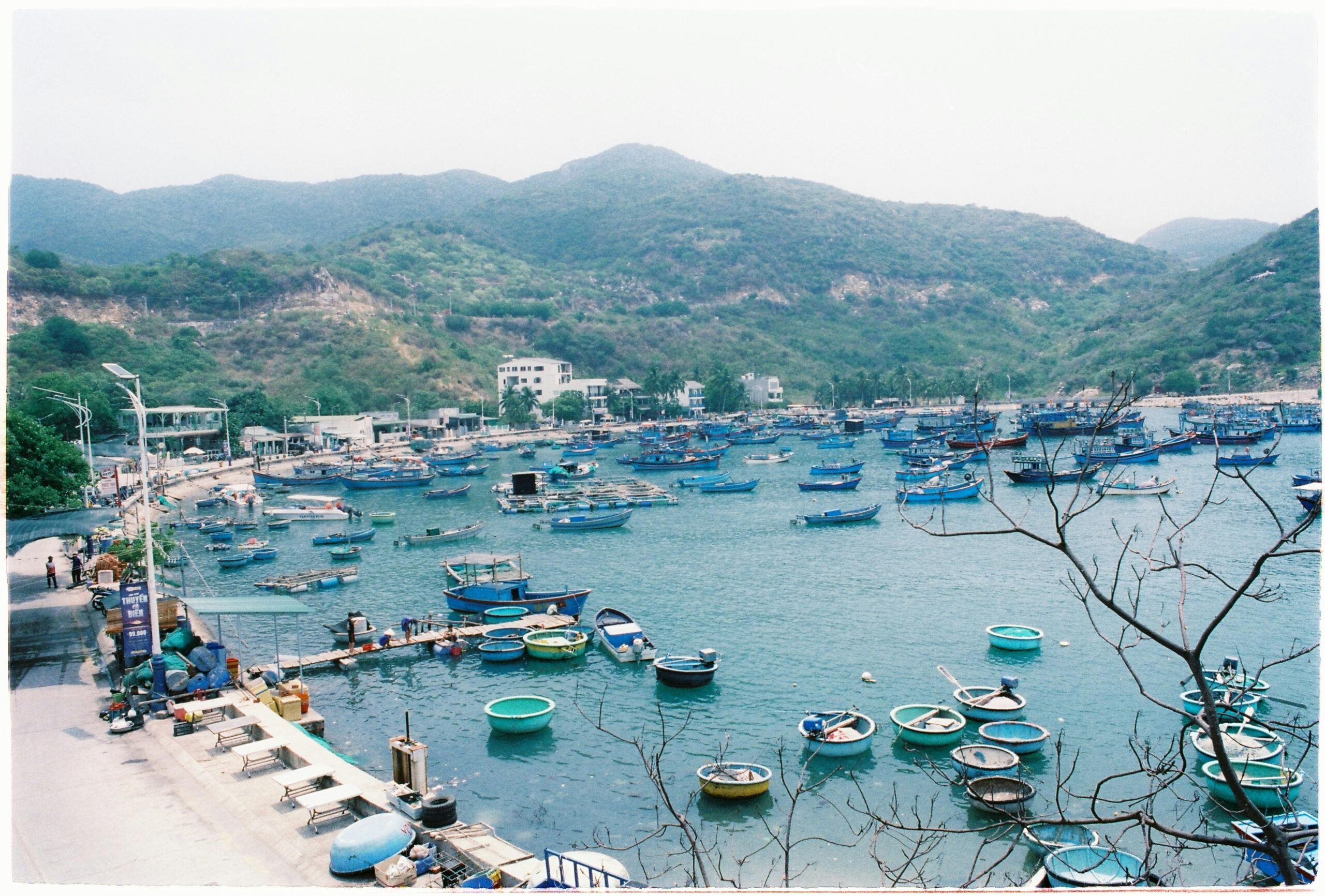
Charting the Future of Small Marine Ecotourism
The potential for small marine ecotourism projects to contribute meaningfully to ocean conservation while supporting coastal livelihoods continues expanding. Growing consumer preference for authentic, sustainable travel experiences creates favorable market conditions for well-managed community initiatives.
Climate change urgency increases recognition that conservation cannot succeed without addressing human economic needs. Marine ecotourism provides viable pathways for communities to prosper while becoming active ocean stewards rather than viewing conservation as externally imposed restriction.
Technology democratizes marketing and operational capabilities once available only to large tourism corporations. Small operations can now reach global audiences, implement sophisticated management systems, and participate in international conservation networks.
Ultimately, sustainable growth in small marine ecotourism depends on maintaining authentic commitment to conservation and community benefit above profit maximization. When projects remain true to these foundational values, they create positive feedback loops where healthier ecosystems attract more visitors, generating increased conservation funding and community prosperity. This virtuous cycle represents the most promising path forward for both ocean protection and coastal community resilience in an uncertain future. 🌊