Anúncios
The blue economy represents a transformative approach to ocean resource management, combining economic growth with environmental sustainability through innovative micro-projects that empower coastal communities worldwide.

🌊 Understanding the Blue Economy Framework
The blue economy has emerged as a critical paradigm shift in how we perceive and utilize our ocean resources. Unlike traditional maritime industries that often prioritized short-term profits over ecological health, this approach emphasizes sustainable practices that benefit both people and planet. The concept encompasses all economic activities related to oceans, seas, and coasts, whether they take place in the marine environment, use resources extracted from it, or provide goods and services for marine-based activities.
Anúncios
Micro-projects within this framework serve as the building blocks for larger systemic change. These small-scale initiatives typically involve local communities, require modest investment, and can be implemented relatively quickly compared to massive infrastructure projects. They represent democratized ocean stewardship, where individuals and small groups can make meaningful contributions to both their livelihoods and marine conservation.
The beauty of blue economy micro-projects lies in their accessibility and scalability. A fisherman implementing sustainable aquaculture practices, a coastal community developing eco-tourism opportunities, or entrepreneurs creating products from ocean waste all exemplify how localized efforts can generate ripple effects across entire regions.
Anúncios
💡 Diverse Categories of Blue Economy Micro-Projects
Sustainable Aquaculture and Mariculture
Small-scale aquaculture represents one of the most promising sectors within the blue economy. These projects move away from destructive fishing practices toward controlled cultivation of marine species. Community-based fish farming, seaweed cultivation, and shellfish harvesting provide protein-rich food sources while reducing pressure on wild populations.
Seaweed farming, in particular, has gained tremendous momentum. This practice requires minimal investment, no fertilizers or freshwater, and actively removes carbon dioxide from the atmosphere while providing raw materials for food, cosmetics, and biofuels. Coastal communities in Indonesia, the Philippines, and East Africa have witnessed remarkable economic transformation through seaweed micro-enterprises.
Integrated multi-trophic aquaculture (IMTA) systems represent another innovative approach where different species are cultivated together, creating symbiotic relationships that minimize waste and maximize productivity. Fish, seaweed, and shellfish grown in proximity create closed-loop systems that mirror natural ecosystems.
Ocean Waste Transformation and Circular Economy Initiatives
The scourge of plastic pollution has paradoxically created entrepreneurial opportunities. Micro-projects focused on collecting, processing, and repurposing marine debris are flourishing worldwide. These initiatives address environmental challenges while creating employment and generating revenue streams.
Coastal communities are establishing collection networks where fishermen and beachgoers gather plastic waste, which is then cleaned, sorted, and transformed into new products. From fashion accessories made from fishing nets to construction materials derived from plastic bottles, these projects demonstrate the viability of circular economy principles at the micro-level.
Several organizations have developed platforms connecting ocean plastic collectors with manufacturers, creating transparent supply chains that reward environmental stewardship. These digital ecosystems enable even remote coastal communities to participate in global markets while cleaning their local waters.
Marine Eco-Tourism and Educational Experiences
Tourism represents a significant economic driver for coastal regions, but traditional mass tourism often damages the very ecosystems that attract visitors. Blue economy micro-projects reimagine tourism through sustainable, educational, and community-centered experiences.
Snorkeling and diving operations managed by local conservation groups, mangrove kayaking tours led by community guides, and marine wildlife watching expeditions that fund research projects all exemplify how tourism can support both livelihoods and conservation. These experiences educate visitors about marine ecosystems while generating income that incentivizes protection rather than exploitation.
Homestay programs in fishing villages allow tourists to experience authentic coastal lifestyles while directly supporting families. These intimate experiences create cultural exchange opportunities and help diversify income sources for communities traditionally dependent on fishing alone.
📊 Measuring Impact: Beyond Economic Returns
Evaluating blue economy micro-projects requires assessment frameworks that capture multidimensional impacts. While economic viability remains essential, environmental restoration, social empowerment, and cultural preservation are equally important indicators of success.
| Impact Category | Key Indicators | Measurement Methods |
|---|---|---|
| Economic | Income generation, employment creation, market access | Financial tracking, surveys, market analysis |
| Environmental | Species recovery, habitat restoration, waste reduction | Ecological monitoring, biodiversity assessments |
| Social | Community cohesion, gender equity, skill development | Participatory evaluations, demographic analysis |
| Cultural | Traditional knowledge preservation, cultural identity | Qualitative research, ethnographic studies |
Research from multiple coastal regions demonstrates that successful micro-projects typically achieve positive outcomes across all these dimensions. A seaweed farming cooperative in Tanzania, for example, increased household income by 40% while simultaneously improving reef health and elevating women’s economic participation in traditionally male-dominated fishing communities.
🚀 Success Stories from Around the Globe
The Mangrove Honey Producers of Bangladesh
In the Sundarbans, the world’s largest mangrove forest, communities have developed sustainable beekeeping practices that generate income while protecting these critical coastal ecosystems. Beekeepers harvest honey without destroying hives, ensuring colony survival and continued pollination services. This micro-project has reduced illegal logging, as communities now recognize mangroves as living assets rather than timber resources.
The initiative has expanded to include mangrove reforestation efforts, with honey producers planting thousands of saplings annually to expand their productive landscape. This virtuous cycle demonstrates how economic incentives can align perfectly with conservation objectives.
Coastal Clean-Up Enterprises in the Philippines
Filipino communities have established micro-enterprises that collect ocean plastic and transform it into construction materials, particularly eco-bricks used for building homes and community structures. These projects employ coastal residents, many of whom previously lacked stable income sources, while dramatically reducing beach and ocean pollution.
The social impact extends beyond environmental cleanup. Participants report increased community pride, improved public health due to cleaner beaches, and enhanced tourism appeal. Several communities have documented revenue increases from eco-tourists specifically drawn to witness these innovative sustainability projects.
Regenerative Shellfish Farming in Europe
Coastal communities along the Atlantic have revitalized traditional shellfish cultivation methods with modern ecological understanding. These micro-farms produce oysters, mussels, and clams while simultaneously improving water quality, as these filter feeders remove excess nutrients and pollutants.
Beyond direct sales, these operations have created ancillary businesses including restaurants specializing in locally-sourced seafood, guided farm tours, and educational workshops teaching sustainable aquaculture techniques. The multiplier effect demonstrates how single micro-projects can catalyze broader economic transformation.
🔧 Essential Elements for Micro-Project Success
Community Ownership and Participatory Design
The most successful blue economy initiatives are those designed and controlled by the communities they serve. External organizations can provide technical assistance, funding, and market connections, but local ownership ensures projects align with cultural values, leverage indigenous knowledge, and remain sustainable after initial support ends.
Participatory design processes engage community members from project conception through implementation. This approach identifies locally-relevant opportunities, anticipates challenges, and builds collective commitment. When communities feel genuine ownership, they invest time, creativity, and resources that far exceed external contributions.
Access to Appropriate Technology and Training
Micro-projects require technologies scaled appropriately for local contexts. Expensive, complex equipment often becomes useless when it breaks down and spare parts are unavailable. Successful initiatives emphasize simple, robust technologies that communities can maintain independently.
Equally important is comprehensive training that builds local capacity. Rather than creating dependency on external experts, effective programs transfer knowledge and skills, enabling communities to troubleshoot problems, adapt techniques, and eventually train others. This capacity-building approach creates lasting impacts that persist across generations.
Market Linkages and Value Chain Development
Producing sustainable marine products matters little if producers cannot access markets willing to pay fair prices. Successful micro-projects develop clear pathways connecting producers with consumers, whether through cooperatives, digital platforms, or partnerships with socially-conscious businesses.
Certification schemes help differentiate sustainably-produced goods in competitive markets. Labels verifying sustainable fishing practices, fair labor conditions, or environmental restoration contributions enable consumers to support blue economy initiatives through their purchasing decisions. These market mechanisms translate values into economic viability.
⚡ Overcoming Common Challenges
Despite their potential, blue economy micro-projects face significant obstacles. Limited access to startup capital remains the most frequently cited barrier. Traditional financing institutions often view small-scale marine projects as risky investments, leaving communities dependent on grants or impact investors with longer time horizons and social missions.
Climate change introduces substantial uncertainty. Rising sea levels, ocean acidification, and changing fish migration patterns threaten project viability. Successful initiatives build resilience through diversification, combining multiple income streams rather than relying on single products or services. They also incorporate adaptive management approaches that allow rapid response to changing environmental conditions.
Regulatory frameworks sometimes hinder rather than help micro-enterprises. Bureaucratic licensing processes designed for large commercial operations can overwhelm small community groups. Progressive governments are recognizing this challenge and developing streamlined procedures specifically for micro and small enterprises within the blue economy sector.
🌐 Technology as an Enabler for Blue Economy Micro-Projects
Digital technologies have democratized access to information, markets, and resources in ways that particularly benefit micro-projects. Mobile applications help fishermen access weather forecasts, market prices, and sustainable fishing techniques. E-commerce platforms connect remote producers with global consumers. Blockchain technologies enable transparent supply chains that verify sustainability claims.
Remote sensing and satellite data, increasingly available at low or no cost, help communities monitor environmental changes, track fish populations, and document conservation impacts. These tools were once accessible only to well-funded research institutions but are now empowering grassroots initiatives.
Social media platforms enable micro-projects to share their stories directly with potential customers, investors, and supporters. Crowdfunding campaigns have financed numerous blue economy initiatives, demonstrating how digital connectivity can mobilize resources for projects that traditional financial systems overlook.
🎯 Policy Frameworks Supporting Micro-Project Development
Government policies significantly influence the enabling environment for blue economy micro-projects. Progressive frameworks recognize that ocean sustainability requires engaging coastal communities as active partners rather than passive beneficiaries or subjects of regulation.
Effective policies provide preferential access to coastal resources for small-scale operators, simplified licensing procedures, technical assistance programs, and microfinance facilities tailored to blue economy activities. They also establish clear property rights or use rights that give communities long-term stakes in marine resource health.
International frameworks like the UN Sustainable Development Goals, particularly SDG 14 focused on life below water, create global momentum and channels funding toward blue economy initiatives. National governments increasingly recognize that achieving these ambitious targets requires mobilizing thousands of micro-projects alongside larger investments.
🔮 The Future Landscape of Ocean-Based Micro-Enterprises
The blue economy micro-project movement is still in its early stages, with enormous growth potential. As awareness of ocean issues expands and consumers increasingly seek sustainably-sourced products, market opportunities for these initiatives will multiply.
Emerging sectors show particular promise. Marine biotechnology offers possibilities for communities to cultivate organisms producing pharmaceutical compounds, industrial enzymes, or nutritional supplements. Ocean energy micro-grids could power remote coastal communities while generating surplus electricity for sale. Carbon credit markets may eventually compensate communities for conservation activities like mangrove restoration or seagrass protection.
The integration of artificial intelligence and machine learning could revolutionize micro-project management. Predictive models might help aquaculture operators optimize feeding schedules, alert collectors to pollution hotspots, or connect eco-tourism operators with interested travelers in real-time. As these technologies become more accessible, even the smallest initiatives can leverage sophisticated tools.
💪 Building Momentum: How Everyone Can Contribute
The blue economy micro-project movement thrives when diverse actors contribute according to their capacities. Coastal communities remain the essential protagonists, but governments, businesses, researchers, and consumers all play supporting roles.
- Governments can reform policies, provide targeted support, and create enabling regulatory environments that facilitate rather than obstruct small-scale initiatives.
- Businesses can develop inclusive value chains that source from micro-producers, provide technical assistance, and ensure fair compensation.
- Research institutions can co-develop appropriate technologies with communities, document best practices, and evaluate impacts to guide scaling efforts.
- Consumers can make purchasing decisions that support certified sustainable products and seek out experiences offered by community-based tourism operators.
- Impact investors and philanthropic organizations can provide patient capital and technical support during critical startup phases.
- Media can amplify success stories, raising awareness and inspiring replication in new contexts.
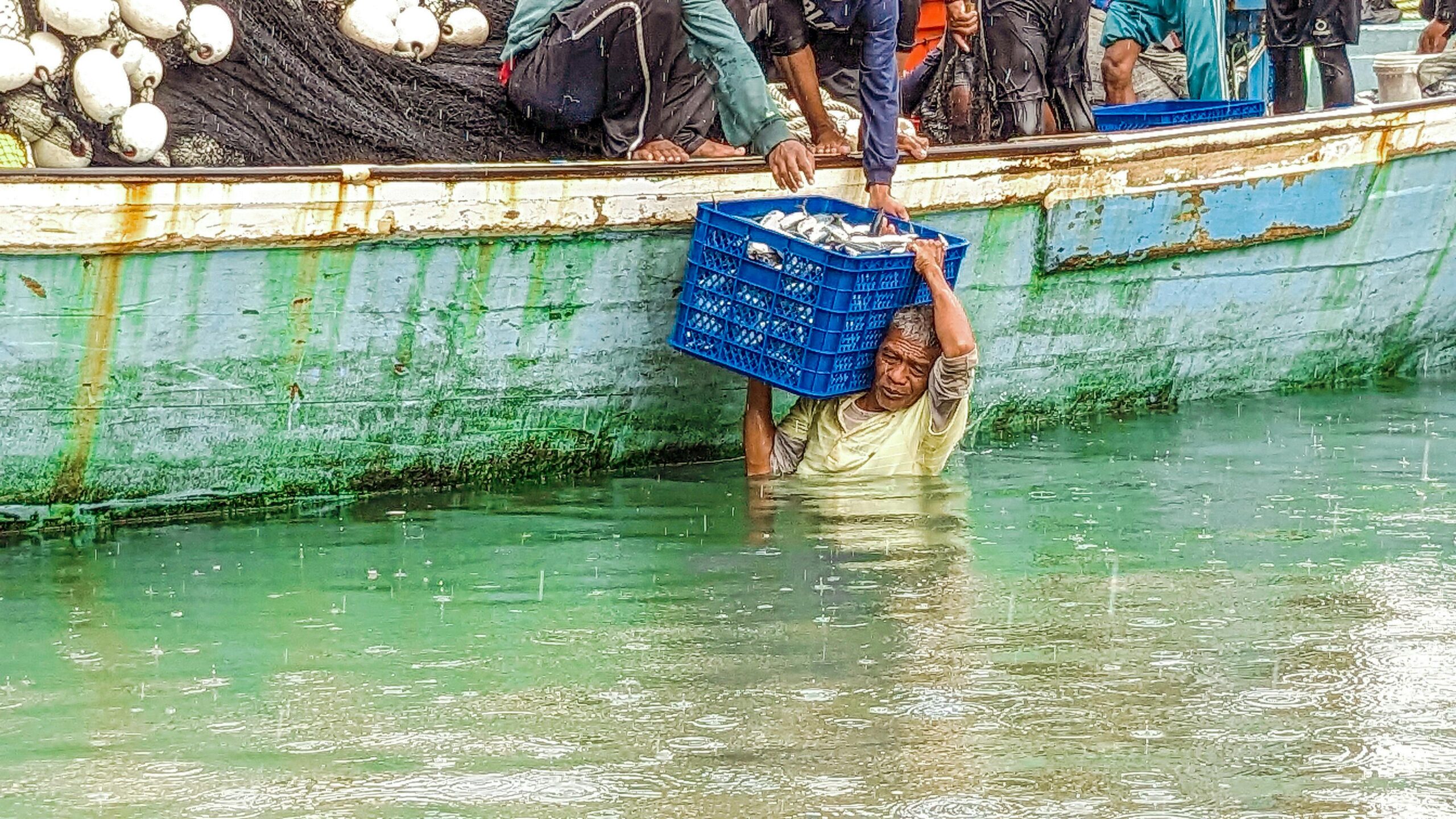
🌟 Unleashing Transformative Potential Through Collective Action
Blue economy micro-projects represent far more than small-scale economic activities. They embody a fundamental reimagining of humanity’s relationship with oceans—from exploitation to stewardship, from extraction to regeneration, from exclusion to empowerment. Each successful initiative proves that economic development and environmental restoration are not competing objectives but complementary dimensions of sustainable coastal livelihoods.
The collective impact of thousands of micro-projects can rival or exceed that of major infrastructure investments. While mega-projects capture headlines, the distributed innovation happening in coastal communities worldwide is quietly revolutionizing marine resource management. These grassroots initiatives bring solutions tailored to local contexts, adaptive to changing conditions, and resilient because they’re embedded in community life rather than dependent on distant institutions.
The path forward requires scaling successful models while preserving the community ownership and contextual adaptation that make them effective. This means investing in knowledge exchange networks, supportive policy frameworks, appropriate financing mechanisms, and the capacity-building infrastructure that enables communities to design, implement, and manage their own blue economy initiatives.
As ocean health becomes increasingly critical to planetary well-being and human survival, the micro-project approach offers hope that solutions can emerge from the ground up. By unlocking the potential of coastal communities to become ocean stewards and sustainable entrepreneurs simultaneously, we create pathways toward prosperous, equitable, and ecologically vibrant blue economies. The question is no longer whether micro-projects can make a difference, but how quickly we can remove barriers and unleash the enormous untapped potential waiting in coastal communities around the world.