Anúncios
Micro-projects are reshaping communities worldwide by providing targeted interventions that create sustainable income opportunities and empower individuals to break cycles of poverty.

💡 Understanding the Power of Small-Scale Interventions
In an era where large-scale development programs often struggle to reach the most vulnerable populations, micro-projects have emerged as a beacon of hope for sustainable livelihood transformation. These small-scale initiatives, typically characterized by limited budgets, focused objectives, and community-driven approaches, are proving that size doesn’t determine impact when it comes to changing lives.
Anúncios
Micro-projects operate on a fundamentally different philosophy than traditional development programs. Rather than imposing top-down solutions, they work from the ground up, engaging directly with beneficiaries to identify needs, design interventions, and implement solutions that are culturally appropriate and contextually relevant. This participatory approach ensures that projects address real challenges faced by communities rather than perceived problems identified by external actors.
The beauty of micro-projects lies in their adaptability and responsiveness. Unlike massive development programs that require years of planning and implementation, micro-projects can be designed, funded, and executed within months, allowing communities to respond quickly to emerging challenges or capitalize on time-sensitive opportunities.
Anúncios
🌍 The Economic Ripple Effect of Grassroots Development
When we examine the economic impact of micro-projects on livelihoods, the results often exceed expectations. A small investment in livestock for a rural family doesn’t just provide milk or eggs for consumption; it creates a revenue stream that can fund children’s education, improve housing conditions, and provide seed capital for additional entrepreneurial ventures.
Research from various development contexts shows that micro-projects generate multiplier effects within local economies. When a woman receives a grant to start a small tailoring business, she doesn’t just earn income for herself. She purchases fabric from local suppliers, may hire an apprentice as the business grows, and spends her earnings in the community, stimulating demand for other goods and services.
The financial inclusion aspect of micro-projects cannot be overstated. Many beneficiaries of these initiatives have never had access to formal financial services. Through micro-projects, they gain experience managing budgets, saving profits, and planning investments. This financial literacy translates into long-term economic empowerment that extends far beyond the initial project period.
Measuring Financial Outcomes Beyond Income
Traditional metrics of success often focus solely on income increases, but the true economic impact of micro-projects encompasses much broader dimensions. Asset accumulation, debt reduction, improved creditworthiness, and enhanced household resilience to economic shocks all represent significant livelihood improvements that stem from well-designed micro-interventions.
Communities that participate in micro-projects frequently report reduced dependency on informal moneylenders who charge exploitative interest rates. By providing initial capital or resources, micro-projects break the cycle of debt that traps many poor households, allowing them to retain more of their earnings and invest in productive assets rather than servicing loans.
🎯 Targeting Vulnerable Populations for Maximum Impact
One of the most remarkable aspects of micro-projects is their ability to reach populations that traditional development programs often overlook. Women, youth, persons with disabilities, refugees, and indigenous communities frequently face barriers to accessing mainstream economic opportunities. Micro-projects, with their flexible designs and community-based approaches, can be specifically tailored to address the unique challenges these groups face.
For women in patriarchal societies, micro-projects offer pathways to economic independence that may not exist through conventional employment. A micro-project supporting home-based food processing, handicraft production, or small-scale agriculture allows women to generate income while fulfilling cultural expectations regarding mobility and domestic responsibilities. This economic empowerment often translates into increased decision-making power within households and communities.
Youth unemployment represents a critical challenge in both developing and developed contexts. Micro-projects focused on skills training, apprenticeships, and youth entrepreneurship provide young people with alternatives to unemployment or migration. These initiatives often incorporate mentorship components that connect youth with experienced businesspeople who can provide guidance as they navigate early-stage enterprise development.
Creating Inclusive Opportunities for All
Persons with disabilities face disproportionate poverty rates globally, often excluded from both education and employment opportunities. Micro-projects designed with accessibility in mind can provide assistive devices, modify workspaces, or support businesses that specifically employ disabled individuals. These interventions recognize that with appropriate support, persons with disabilities can be productive economic actors rather than solely recipients of charity.
Refugee and displaced populations present unique challenges for livelihood programming. Micro-projects offer flexibility to work within restrictive policy environments where refugees may face limitations on formal employment. Supporting small businesses that refugees can operate within settlements or host communities provides income while avoiding legal complications associated with formal labor markets.
📊 Evidence-Based Success: What the Data Reveals
Systematic evaluations of micro-projects across diverse contexts provide compelling evidence of their effectiveness in transforming livelihoods. Studies conducted by development organizations, academic institutions, and impact assessment firms consistently show positive outcomes across multiple dimensions of wellbeing.
A meta-analysis of over 200 micro-projects in Sub-Saharan Africa found that beneficiary households experienced an average income increase of 35-50% within the first year of project completion. Perhaps more significantly, these gains proved sustainable, with follow-up assessments showing that 70% of beneficiaries maintained or expanded their project-supported activities three years later.
Nutrition outcomes represent another critical indicator of livelihood improvement. Micro-projects that enhance food production or increase household income frequently result in improved dietary diversity. Children in beneficiary households show reduced rates of stunting and wasting, demonstrating that economic interventions have direct health implications.
Understanding Context-Specific Variations
While overall trends are positive, impact varies significantly based on context, project design, and implementation quality. Urban micro-projects typically show faster income growth but face higher competition and market saturation risks. Rural projects may have slower initial returns but often demonstrate greater sustainability due to lower overhead costs and less competitive environments.
Sector choice profoundly influences outcomes. Agricultural micro-projects face seasonal variations and climate risks but benefit from existing skills within farming communities. Service-sector micro-projects like hairdressing or mobile phone repair generate more consistent cash flow but require training investments for beneficiaries without prior experience.
🛠️ Key Design Elements That Drive Success
Not all micro-projects achieve transformative impacts. Decades of experience implementing these initiatives have revealed critical design elements that separate successful projects from those that fail to create lasting change.
Needs assessment represents the foundation of effective micro-projects. Rather than assuming what communities need, successful projects invest time in participatory assessments that allow beneficiaries to articulate their own priorities, constraints, and aspirations. This ensures that project interventions align with actual opportunities and challenges rather than external assumptions.
Skills training integrated with resource provision dramatically improves outcomes. Providing a sewing machine without training the recipient in pattern-making, customer service, and basic business management often leads to project failure. Comprehensive micro-projects bundle financial and material support with capacity building to ensure beneficiaries can effectively utilize provided resources.
The Critical Role of Follow-Up Support
Post-implementation mentoring and troubleshooting support distinguish high-impact micro-projects from those that provide only one-time assistance. Beneficiaries inevitably encounter challenges as they establish and grow their enterprises. Access to advisors who can help problem-solve when equipment breaks, markets shift, or family circumstances change significantly increases the likelihood of sustained success.
Peer learning networks amplify project impacts by connecting beneficiaries with others pursuing similar livelihood activities. These networks facilitate knowledge exchange, bulk purchasing arrangements, and emotional support during challenging periods. Many successful micro-projects facilitate savings groups or business associations that continue functioning long after formal project support ends.
🌱 Environmental Sustainability and Livelihood Enhancement
Forward-thinking micro-projects increasingly integrate environmental sustainability with livelihood objectives, recognizing that short-term economic gains achieved through environmental degradation ultimately undermine long-term prosperity. Green micro-projects that support solar energy enterprises, sustainable agriculture, waste recycling, or eco-tourism create income while protecting natural resources.
Climate-smart agriculture micro-projects teach farming techniques that increase productivity while enhancing resilience to climate variability. Practices like conservation agriculture, agroforestry, and water harvesting reduce environmental impact while improving food security and farm incomes. These projects position rural communities to adapt to climate change rather than simply suffer its consequences.
Renewable energy micro-projects exemplify the intersection of livelihood development and environmental protection. Training youth to install and maintain solar systems creates employment while expanding energy access in off-grid communities. Similarly, supporting enterprises that produce energy-efficient cookstoves generates income while reducing deforestation and indoor air pollution.
💪 Social Capital and Community Cohesion
Beyond their economic impacts, micro-projects generate significant social benefits that strengthen community fabric and enhance collective wellbeing. Group-based micro-projects that bring people together around shared economic objectives create bonds of trust and reciprocity that extend beyond business relationships.
In conflict-affected contexts, micro-projects can serve as platforms for reconciliation and peacebuilding. When former adversaries collaborate on joint economic ventures, they develop shared interests in stability and prosperity that transcend historical divisions. Market cooperatives that include members of different ethnic or religious groups demonstrate that mutual benefit can overcome prejudice.
Women’s solidarity groups formed around micro-projects frequently evolve into powerful advocacy platforms that address issues far beyond economic concerns. These groups tackle domestic violence, child marriage, educational access, and political participation, leveraging collective power to challenge discriminatory norms and practices.
Strengthening Local Institutions
Successful micro-projects strengthen local institutions rather than creating parallel structures. By channeling support through existing community organizations, cooperatives, or local government units, micro-projects build institutional capacity that benefits communities long after specific projects end. These strengthened institutions can mobilize resources, negotiate with external actors, and implement additional development initiatives.
🚀 Scaling Impact While Maintaining Quality
The demonstrated success of micro-projects raises important questions about scale. How can the benefits of these initiatives reach larger populations without sacrificing the personalized, community-driven approaches that make them effective?
Horizontal scaling through replication represents one pathway to broader impact. Documenting successful micro-project models and adapting them to new contexts allows multiple organizations to implement similar initiatives simultaneously. This approach maintains the small-scale, localized character of individual projects while expanding overall reach.
Technology offers promising tools for scaling micro-project impacts. Mobile platforms can deliver training content, facilitate peer networking, and connect beneficiaries with markets more efficiently than traditional face-to-face approaches. Digital financial services enable micro-project beneficiaries to receive grants, save earnings, and access credit without requiring physical bank branches.
Partnerships That Multiply Impact
Strategic partnerships between implementing organizations, private sector actors, and government agencies create synergies that enhance micro-project effectiveness. Private companies can provide market access, technical expertise, and quality inputs. Government agencies can contribute regulatory support, complementary services, and policy environments conducive to small enterprise development.
Faith-based organizations, trade unions, and professional associations represent underutilized partners for micro-project implementation. These entities maintain trust relationships with communities and possess distribution networks that can facilitate project outreach and sustainability.
🔮 Emerging Trends Shaping Future Micro-Projects
The field of micro-project development continues evolving as practitioners learn from experience and adapt to changing contexts. Several emerging trends promise to enhance the effectiveness and reach of future initiatives.
Digital entrepreneurship micro-projects recognize that internet connectivity is expanding rapidly even in rural areas of developing countries. Supporting youth to develop online businesses, digital content creation, or technology services creates livelihood opportunities that don’t require physical premises or large capital investments. These projects position beneficiaries to participate in the global digital economy.
Circular economy principles are being integrated into micro-project design with increasing frequency. Projects that support waste collection and recycling enterprises, repair services, or upcycling businesses create income while reducing environmental footprints. These initiatives align economic opportunity with sustainability imperatives.
Mental health and psychosocial support components are being recognized as critical elements of comprehensive livelihood programming. Trauma, depression, and anxiety significantly impair economic productivity and decision-making. Micro-projects that integrate counseling, stress management, and peer support alongside economic components achieve better outcomes by addressing whole-person wellbeing.
🎓 Learning From Challenges and Setbacks
Honest assessment of micro-project failures provides valuable insights that strengthen future programming. Not every intervention succeeds, and understanding why certain projects fail is as important as celebrating successes.
Market saturation represents a common challenge when multiple organizations implement similar micro-projects in the same area. Too many beneficiaries selling identical products to the same customer base drives down prices and profits, ultimately undermining project sustainability. Coordinated planning and market analysis can prevent this problem.
Elite capture occurs when powerful community members divert project benefits away from intended vulnerable beneficiaries. Robust targeting mechanisms, transparent selection processes, and strong accountability systems help ensure that micro-projects reach those who need them most.
Cultural insensitivity undermines projects that fail to account for local norms, values, and practices. Activities that violate religious principles, challenge gender norms too aggressively, or ignore traditional authority structures often face community resistance. Successful projects balance transformation objectives with cultural respect.
🌟 The Path Forward: Sustaining and Expanding Impact
As evidence continues mounting regarding the transformative potential of micro-projects, the imperative becomes sustaining and expanding these impacts. This requires commitment from multiple stakeholders and strategic thinking about resource mobilization, knowledge management, and institutional development.
Philanthropic foundations, development agencies, and impact investors must recognize micro-projects as legitimate, effective development tools worthy of sustained funding. While individual projects may be small, their collective impact when implemented at scale rivals that of much larger interventions.
Governments should integrate micro-project approaches into national poverty reduction strategies and social protection systems. Public resources channeled through community-based micro-projects can achieve better results than centralized programs that lack local responsiveness and community ownership.
Academic institutions have important roles to play in rigorously evaluating micro-projects, documenting best practices, and training development professionals in effective design and implementation methodologies. Building the evidence base strengthens advocacy for continued investment in these approaches.
✨ Transforming Lives One Project at a Time
The accumulated evidence from thousands of micro-projects implemented across diverse contexts delivers a clear message: small-scale, community-driven interventions possess remarkable power to transform livelihoods and improve wellbeing. These projects succeed not despite their modest size but because of it. Their localized focus allows for customization, participation, and responsiveness that large programs cannot match.
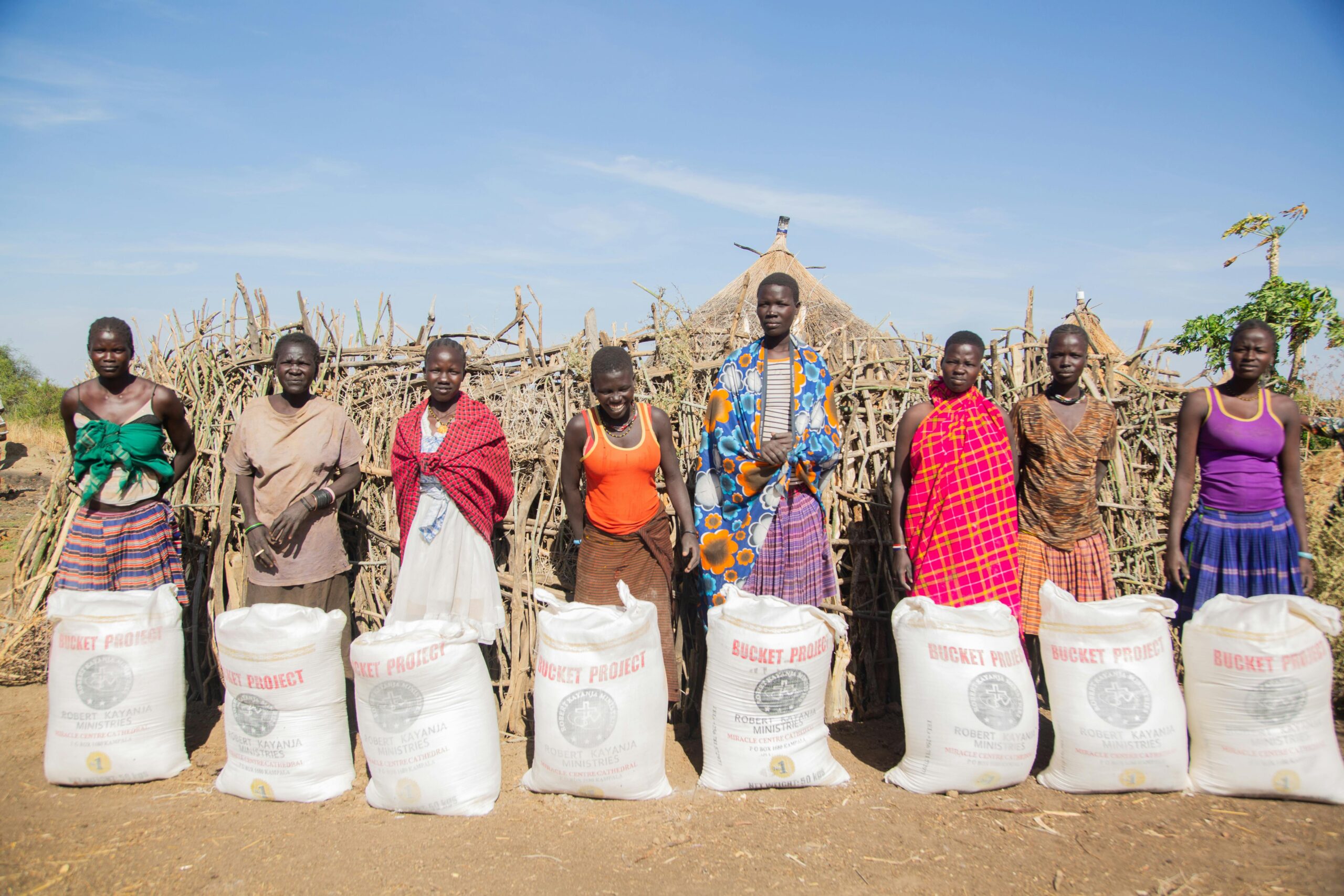
The mother in rural Kenya whose goat-rearing micro-project now funds her children’s secondary education, the refugee youth in Lebanon whose mobile repair training secured his economic independence, and the indigenous woman in Guatemala whose weaving cooperative preserves cultural heritage while generating income all testify to the life-changing potential of well-designed micro-interventions.
As the international community pursues sustainable development goals and seeks pathways to reduce poverty, inequality, and vulnerability, micro-projects offer proven tools for creating lasting change. They demonstrate that transformation doesn’t always require massive budgets or complex bureaucracies. Sometimes the most profound impacts come from simple interventions implemented with genuine respect for community knowledge, aspirations, and agency.
The future of development lies not in choosing between large-scale systemic change and small-scale individual interventions, but in recognizing how micro-projects complement and enable broader transformation. By empowering individuals, strengthening communities, and demonstrating alternative possibilities, micro-projects plant seeds of change that can grow into movements reshaping entire societies.