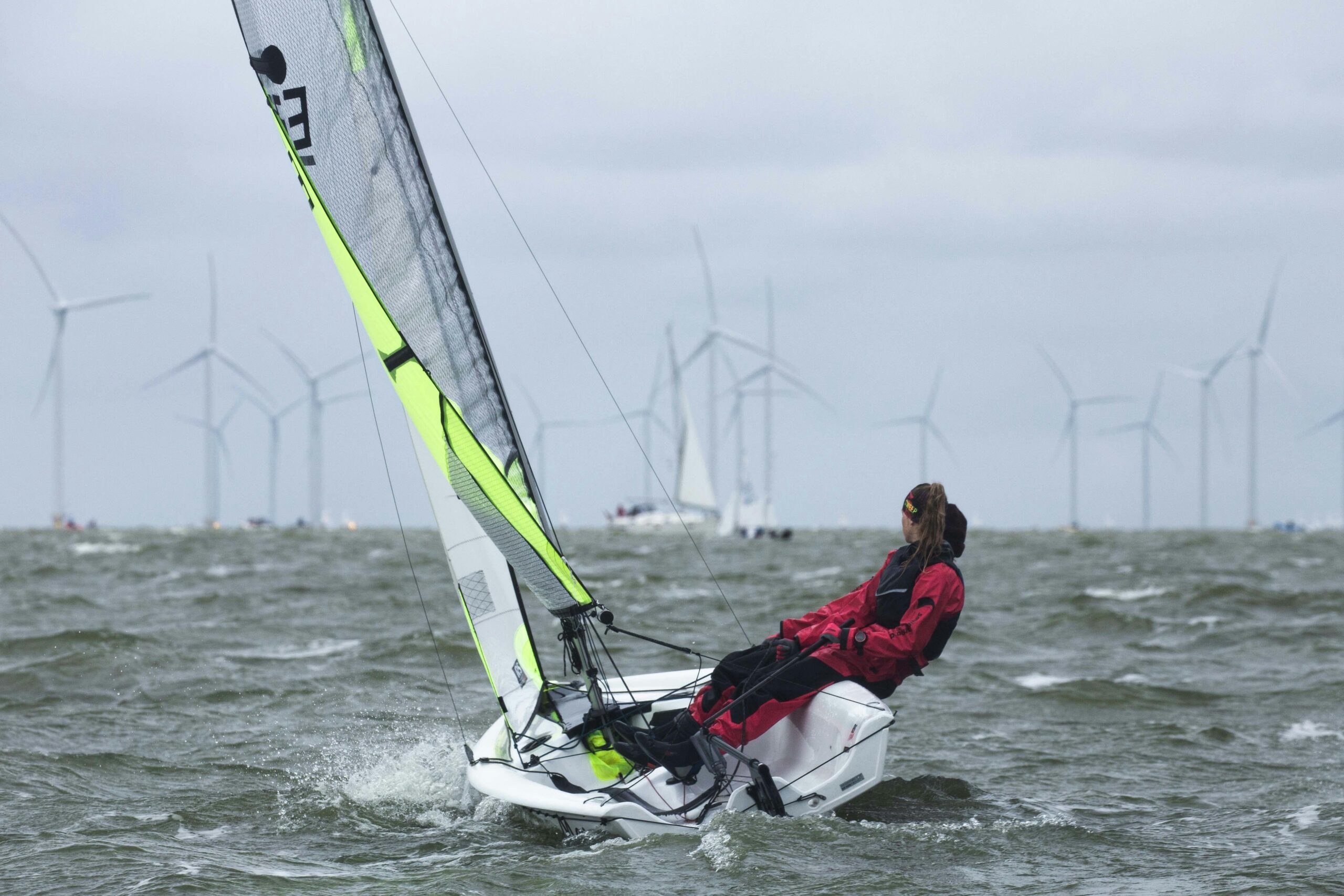
Our oceans face unprecedented challenges as climate change accelerates, threatening marine ecosystems and the billions of people who depend on them for food, livelihoods, and economic stability worldwide.

🌊 The Urgent Connection Between Climate and Marine Health
Marine resources constitute the foundation of global food security, supporting over three billion people with essential protein and nutrients. Yet these vital ecosystems are experiencing rapid transformation due to climate-related stressors. Ocean temperatures have risen by approximately 1.5°C since pre-industrial times, triggering cascading effects throughout marine food webs and altering the distribution of commercially important species.
Understanding the intricate relationship between climate dynamics and ocean health has never been more critical. Scientists and policymakers are increasingly leveraging advanced climate impact insights to develop strategies that protect marine biodiversity while ensuring sustainable resource management. These insights combine oceanographic data, climate modeling, and ecological monitoring to create comprehensive pictures of how our seas are changing.
The transformation of marine environments affects everything from microscopic plankton to massive whale populations. Coral reefs, often called the rainforests of the sea, are experiencing widespread bleaching events. Fish populations are migrating toward polar regions at unprecedented rates. Ocean acidification is weakening the shells of mollusks and threatening the base of marine food chains.
Decoding Climate Signals in Our Oceans
Climate impact insights represent a revolutionary approach to understanding oceanic changes. By integrating satellite observations, autonomous underwater vehicles, and sophisticated sensors deployed across vast ocean expanses, researchers can now track environmental shifts with remarkable precision. These technological advances allow for real-time monitoring of critical parameters including sea surface temperature, salinity levels, oxygen concentrations, and pH measurements.
Advanced climate models simulate future scenarios, helping stakeholders anticipate changes decades in advance. These projections consider multiple variables: greenhouse gas emission trajectories, ocean circulation patterns, ice melt rates, and ecosystem feedback mechanisms. The resulting insights enable proactive rather than reactive management strategies, potentially saving vulnerable species and fishing communities from catastrophic declines.
Machine learning algorithms are increasingly employed to identify patterns within massive datasets that human analysts might overlook. These artificial intelligence systems can detect early warning signals of ecosystem collapse, predict harmful algal bloom events, and forecast shifts in species distribution with growing accuracy. The marriage of traditional oceanography with cutting-edge data science is opening new frontiers in marine conservation.
📊 Key Climate Indicators Affecting Marine Ecosystems
Several critical indicators serve as barometers for ocean health and climate impact severity:
- Sea Surface Temperature Anomalies: Deviations from historical averages signal stress events affecting coral reefs, fish breeding cycles, and plankton productivity
- Ocean Acidification Levels: Measured through pH changes, this indicator reflects the ocean’s absorption of atmospheric CO2 and impacts calcifying organisms
- Dissolved Oxygen Concentrations: Declining oxygen levels create “dead zones” where marine life cannot survive, threatening biodiversity and fisheries
- Sea Level Rise Rates: Coastal ecosystem disruption and habitat loss for species dependent on intertidal zones
- Current Pattern Changes: Alterations in major ocean circulation systems affect nutrient distribution and species migration routes
Innovative Technologies Driving Marine Protection
The digital revolution has equipped marine scientists with unprecedented tools for monitoring and protecting ocean resources. Remote sensing technology allows continuous observation of vast oceanic regions from space, tracking everything from chlorophyll concentrations to illegal fishing activities. These satellites provide data that would be impossible to collect through traditional ship-based surveys alone.
Autonomous underwater vehicles and robotic gliders now explore depths previously inaccessible to researchers. These machines gather detailed information about deep-sea ecosystems, mapping biodiversity hotspots and identifying vulnerable areas requiring protection. Their ability to operate continuously in harsh conditions makes them invaluable for long-term climate impact studies.
Environmental DNA (eDNA) sampling represents another breakthrough technology. By analyzing genetic material in water samples, scientists can catalog entire ecosystems without physically observing every species. This approach dramatically reduces survey costs while increasing the scope and frequency of biodiversity assessments. The technique proves especially valuable for detecting rare or elusive species and monitoring ecosystem recovery following conservation interventions.
🔬 Citizen Science and Community Engagement
Technology democratization has enabled coastal communities and recreational ocean users to contribute meaningful data to climate impact research. Mobile applications allow divers, fishers, and beachgoers to report observations, photograph marine life, and document environmental changes. These crowd-sourced datasets complement professional research efforts, providing ground-truth validation and expanding geographic coverage.
Community-based monitoring programs empower local populations to become stewards of their marine resources. Traditional ecological knowledge, accumulated over generations, combines with scientific methodologies to create robust management frameworks. Indigenous communities particularly offer invaluable insights into long-term environmental changes that predate formal scientific record-keeping.
Sustainable Fisheries in a Changing Climate
Global fisheries face mounting pressure from both increasing demand and climate-driven stock redistribution. Species that sustained fishing communities for centuries are migrating beyond traditional fishing grounds, creating economic hardship and international disputes. Climate impact insights enable adaptive fisheries management that accounts for these dynamic changes while maintaining ecological sustainability.
Dynamic ocean management represents a paradigm shift from static regulations to flexible, data-driven approaches. Rather than designating permanent protected areas or fixed catch quotas, this strategy continuously adjusts management measures based on real-time environmental conditions and species distributions. Fishing fleets receive regularly updated information about where target species concentrate, reducing bycatch and ecosystem damage while maintaining economic viability.
Stock assessment models increasingly incorporate climate variables alongside traditional metrics like population age structure and recruitment rates. These enhanced models produce more accurate predictions of sustainable harvest levels under various climate scenarios. Fisheries managers can then implement precautionary measures before stocks decline to critical levels, avoiding the boom-and-bust cycles that have plagued many historical fisheries.
Building Climate-Resilient Aquaculture
As wild fish stocks face uncertainty, aquaculture assumes growing importance in global food security. However, marine farming operations themselves remain vulnerable to climate impacts including extreme weather events, temperature fluctuations, and disease outbreaks. Climate impact insights guide site selection for new aquaculture facilities, identifying locations with favorable conditions projected to remain stable under various climate scenarios.
Integrated multi-trophic aquaculture systems demonstrate how ecological principles can enhance farm resilience while reducing environmental footprints. These operations cultivate multiple species at different trophic levels—for example, combining finfish with seaweed and shellfish. Waste products from one group become nutrients for another, creating self-regulating systems that buffer against climate variability while improving water quality.
🌡️ Protecting Critical Marine Habitats
Certain marine habitats play disproportionately important roles in climate regulation and biodiversity support. Mangrove forests, seagrass meadows, and salt marshes sequester carbon at rates exceeding terrestrial forests, earning designation as “blue carbon” ecosystems. Protecting and restoring these habitats delivers dual benefits: preserving biodiversity while mitigating climate change through enhanced carbon storage.
Coral reef ecosystems support approximately 25% of all marine species despite covering less than 1% of the ocean floor. Their vulnerability to warming waters makes them priority targets for climate-focused conservation efforts. Scientists are developing heat-resistant coral strains through selective breeding and assisted evolution, potentially creating reef populations capable of surviving future temperature regimes.
Deep-sea ecosystems, long considered remote from human influence, now face threats from warming, acidification, and expanding resource extraction. These slow-growing, highly specialized communities require centuries to recover from disturbances. Climate impact insights help identify particularly vulnerable deep-sea habitats deserving protective status before irreversible damage occurs.
Marine Protected Area Networks
Strategic placement of marine protected areas (MPAs) maximizes conservation benefits while accounting for climate-driven species movements. Climate-smart MPA networks incorporate connectivity corridors allowing species to shift ranges as conditions change. This approach contrasts with historical conservation efforts that treated protected areas as isolated reserves, often leaving them stranded as unsuitable habitat for their original target species.
Effectiveness monitoring using climate impact metrics ensures that protected areas achieve intended outcomes despite changing baseline conditions. Adaptive management protocols allow modifications to boundaries, regulations, and management priorities as ecosystems respond to climate stressors. This flexibility prevents conservation investments from becoming obsolete as environmental conditions evolve.
Economic Dimensions of Marine Climate Action
The economic value of healthy marine ecosystems extends far beyond commercial fisheries. Coastal tourism, pharmaceutical discoveries from marine organisms, storm protection provided by coastal habitats, and cultural ecosystem services collectively generate trillions of dollars annually. Climate-driven degradation of marine resources threatens these economic benefits, creating powerful incentives for protection and restoration investments.
Blue economy frameworks integrate environmental sustainability with economic development, recognizing that long-term prosperity depends on healthy oceans. Climate impact insights inform blue economy strategies by identifying sustainable development pathways that enhance rather than deplete natural capital. Investments in renewable ocean energy, sustainable aquaculture, and eco-tourism create employment while reducing climate footprints.
Market-based mechanisms increasingly incentivize marine conservation and climate action. Blue carbon credits allow organizations to offset emissions by funding mangrove restoration or seagrass protection. Sustainable seafood certification programs use climate-informed criteria to guide consumer choices. These economic instruments translate climate impact insights into actionable incentives for businesses and individuals.
🌐 International Cooperation and Policy Frameworks
Ocean currents and migratory species ignore political boundaries, necessitating international cooperation for effective marine resource management. Regional fisheries management organizations increasingly incorporate climate considerations into harvest regulations and conservation measures. Transboundary marine protected area networks demonstrate how nations can collaborate to achieve conservation outcomes impossible through unilateral action.
The United Nations Sustainable Development Goal 14 (Life Below Water) provides a global framework for ocean conservation efforts. Climate impact insights support progress tracking against SDG 14 targets, identifying areas requiring intensified action and celebrating successful interventions. International reporting mechanisms promote transparency and accountability while facilitating knowledge exchange among nations at different development stages.
Climate change negotiations under the Paris Agreement increasingly recognize ocean-climate connections. National climate commitments now often include marine components addressing blue carbon protection, sustainable fisheries, and ocean-based renewable energy. This integration ensures that marine resources receive appropriate consideration in climate policy alongside terrestrial ecosystems and energy systems.
Empowering the Next Generation of Ocean Stewards
Education and capacity building ensure that climate impact insights translate into sustained action across generations. Marine science education programs increasingly emphasize interdisciplinary approaches combining oceanography, climate science, ecology, and social sciences. This holistic perspective prepares emerging professionals to address complex sustainability challenges requiring integration across traditional disciplinary boundaries.
Hands-on learning opportunities through research expeditions, citizen science projects, and community engagement initiatives inspire young people to pursue careers in marine conservation. Exposure to cutting-edge technologies and methodologies during formative years cultivates technical skills while fostering emotional connections to ocean environments. These connections drive lifelong commitment to marine stewardship beyond professional obligations.
Capacity building in developing nations ensures equitable access to climate impact insights and marine resource management tools. International partnerships facilitate technology transfer, training programs, and collaborative research projects. Strengthening local expertise creates sustainable management capacity that persists beyond individual project timelines, embedding climate-smart practices within national institutions.
🔮 Envisioning Resilient Ocean Futures
Despite formidable challenges, pathways exist toward sustainable relationships with marine resources under changing climate conditions. Success requires integrating scientific insights with political will, economic investment, and social engagement. The coming decades will determine whether humanity rises to this challenge or allows irreplaceable marine ecosystems to deteriorate beyond recovery.
Optimistic scenarios envision restored fish stocks supporting thriving coastal communities, protected marine habitats hosting abundant biodiversity, and blue economies generating prosperity without environmental degradation. Achieving these outcomes demands immediate action informed by the best available climate impact insights. Delay increases both ecological damage and economic costs of eventual interventions.
Technological innovation continues accelerating, promising even more powerful tools for understanding and protecting marine resources. Quantum computing may revolutionize climate modeling precision. Genetic technologies could rapidly enhance ecosystem resilience. Artificial intelligence might optimize conservation resource allocation across competing priorities. Harnessing these advances responsibly while maintaining ethical safeguards will shape marine conservation’s trajectory.

Charting Our Course Toward Ocean Sustainability
The transformation of marine resource management through climate impact insights represents humanity’s opportunity to correct historical mistakes while building resilience against future challenges. Every stakeholder—from international policymakers to individual consumers—plays roles in determining outcomes. Scientific knowledge provides the compass, but collective action propels the journey toward sustainable ocean futures.
Marine ecosystems have demonstrated remarkable resilience throughout Earth’s history, recovering from past perturbations when given opportunities. Modern conservation successes—rebounding whale populations, restored oyster reefs, recovering sea turtle numbers—prove that dedicated efforts yield tangible results. Scaling these successes to match the magnitude of climate challenges requires unprecedented cooperation, innovation, and commitment.
The oceans that cover 71% of Earth’s surface regulate climate, provide sustenance, inspire wonder, and connect all nations through shared waters. Protecting these irreplaceable resources transcends environmental concern, encompassing economic security, cultural heritage, and moral responsibility to future generations. Climate impact insights illuminate the path forward; humanity must summon the wisdom and courage to follow it.