The ocean covers over 70% of our planet’s surface and holds the key to humanity’s sustainable future, yet we’ve explored less than 20% of its depths. 🌊

As global populations continue to grow and terrestrial resources become increasingly strained, the importance of understanding and responsibly managing marine resources has never been more critical. The ocean provides food security for billions, regulates our climate, generates oxygen, and supports economic activities worth trillions of dollars annually. However, decades of overexploitation, pollution, and climate change have pushed many marine ecosystems to their breaking point.
The challenge we face today is not simply about extracting more from our oceans, but rather about developing innovative, science-based approaches to assess what resources are truly available, how they can be harvested sustainably, and how we can balance human needs with ocean health. This requires a fundamental shift in how we view and interact with marine environments—moving from exploitation to stewardship, from guesswork to precision, and from fragmented efforts to integrated management.
🔬 The Evolution of Marine Resource Assessment Technologies
Traditional methods of assessing marine resources have relied heavily on physical sampling, visual surveys, and historical catch data. While these approaches have provided valuable baseline information, they are often time-consuming, expensive, and limited in scope. The vastness of ocean environments and the dynamic nature of marine ecosystems demand more sophisticated tools.
Modern marine resource assessment now incorporates cutting-edge technologies that were unimaginable just decades ago. Satellite remote sensing enables scientists to monitor ocean surface conditions, track algal blooms, measure sea surface temperatures, and even estimate fish populations across vast areas in near-real-time. These space-based observations provide unprecedented spatial coverage and temporal resolution.
Autonomous underwater vehicles (AUVs) and remotely operated vehicles (ROVs) have revolutionized deep-sea exploration and monitoring. These robotic systems can dive to extreme depths, collecting high-resolution imagery, environmental data, and biological samples from areas previously inaccessible to humans. Equipped with advanced sensors, cameras, and sampling equipment, they operate for extended periods without human intervention.
Environmental DNA (eDNA) analysis represents another breakthrough in marine biodiversity assessment. By collecting and analyzing genetic material that organisms shed into the water, scientists can detect species presence, estimate population sizes, and monitor ecosystem health without directly observing or capturing animals. This non-invasive approach is particularly valuable for assessing rare, endangered, or elusive species.
🐟 Innovative Approaches to Fisheries Stock Assessment
Fisheries represent one of the most economically significant marine resources, providing protein for billions of people worldwide. However, overfishing has depleted many stocks to critical levels, threatening both food security and ocean ecosystem integrity. Innovative stock assessment approaches are essential for ensuring sustainable fisheries management.
Acoustic technology has transformed how we estimate fish populations. Modern echosounders and multibeam sonars can identify different species based on their acoustic signatures, measure fish size distributions, and map the three-dimensional structure of fish schools. When combined with machine learning algorithms, these systems can process vast amounts of data to provide accurate, real-time stock assessments.
Electronic monitoring systems installed on fishing vessels provide objective data on catch composition, bycatch rates, and fishing effort. High-resolution cameras, sensors, and GPS tracking create comprehensive records of fishing activities, improving data quality while reducing the need for human observers. This technology enhances compliance with fishing regulations and provides scientists with detailed information for stock assessments.
Population genomics offers insights into fish stock structure, connectivity, and adaptive capacity that traditional methods cannot provide. By analyzing genetic variation within and between populations, scientists can identify distinct management units, understand migration patterns, and predict how stocks might respond to environmental changes or fishing pressure.
Ecosystem-Based Fisheries Management
Moving beyond single-species assessments, ecosystem-based fisheries management (EBFM) considers the broader ecological context in which target species exist. This holistic approach recognizes that fish populations don’t exist in isolation but are part of complex food webs and habitats.
EBFM integrates data on predator-prey relationships, habitat quality, environmental conditions, and multiple species interactions to develop more comprehensive management strategies. This approach helps prevent ecosystem-level impacts from fishing activities and maintains the ocean’s overall health and productivity.
🌿 Assessing Marine Biotechnology and Pharmaceutical Resources
The ocean harbors an extraordinary diversity of organisms that have evolved unique biochemical adaptations to survive in extreme environments. These marine organisms represent an largely untapped reservoir of compounds with potential applications in medicine, biotechnology, and industry.
Bioprospecting—the systematic search for commercially valuable compounds from natural sources—has intensified in marine environments over recent decades. Marine bacteria, algae, sponges, corals, and other organisms produce novel chemical compounds with antimicrobial, anticancer, anti-inflammatory, and other therapeutic properties.
Advanced screening technologies now allow researchers to rapidly test thousands of marine-derived compounds for biological activity. High-throughput screening systems, combined with genomic and metabolomic analyses, accelerate the discovery process and help identify promising candidates for drug development.
Metagenomic approaches enable scientists to access the genetic potential of entire microbial communities without culturing individual organisms—a significant advantage since the vast majority of marine microorganisms cannot be grown in laboratory conditions. This reveals previously hidden biosynthetic pathways and expands the pool of potentially valuable compounds.
⚡ Marine Renewable Energy Resource Assessment
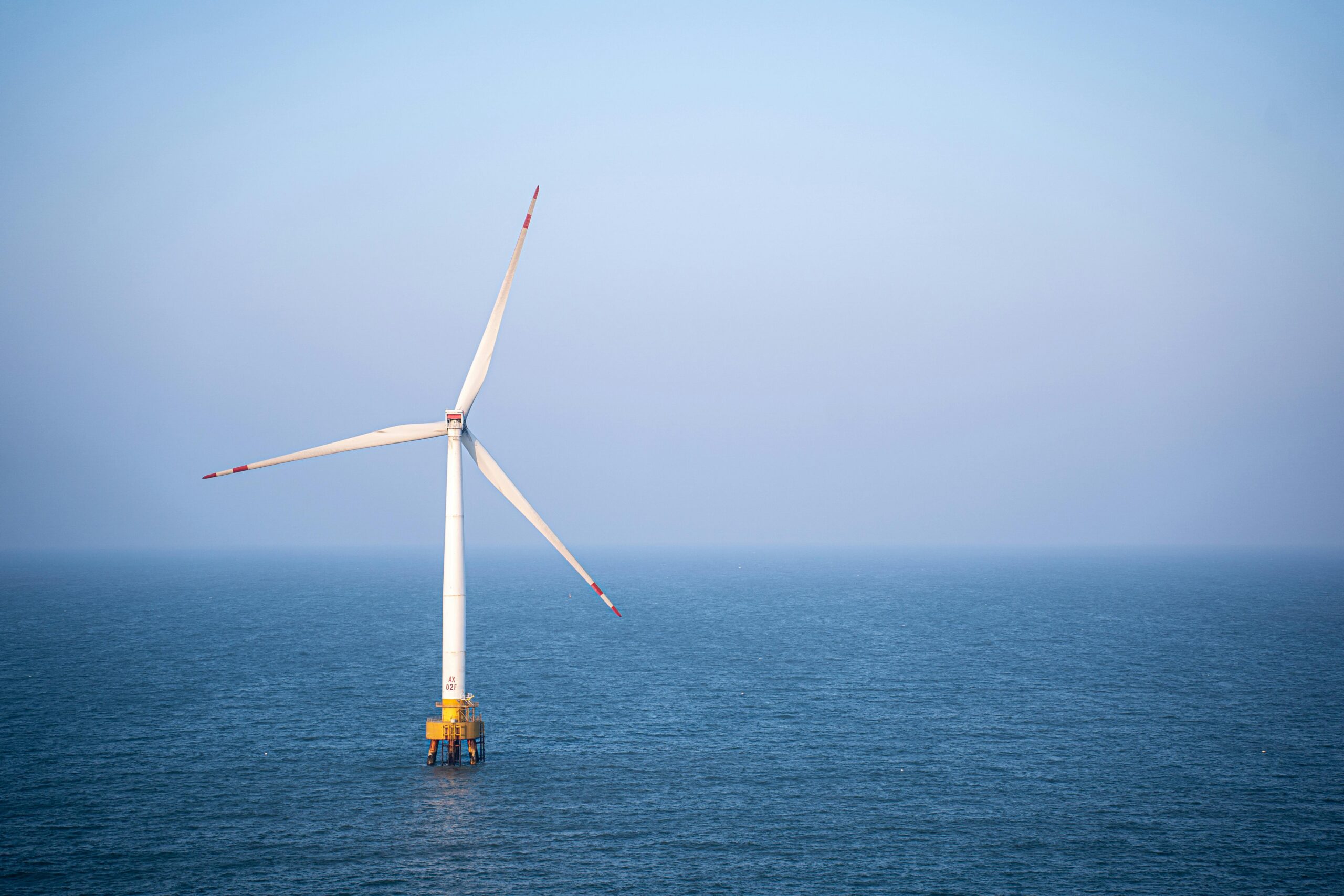
The ocean contains enormous energy potential in various forms—waves, tides, currents, thermal gradients, and salinity gradients. Accurately assessing these energy resources is crucial for developing viable marine renewable energy projects that can contribute to global decarbonization efforts.
Wave energy resource assessment combines oceanographic measurements, wave buoy data, satellite observations, and numerical modeling to characterize wave climates and quantify available energy. High-resolution models can now predict wave conditions at specific sites with remarkable accuracy, helping developers identify optimal locations for wave energy converters.
Tidal energy assessment requires detailed understanding of tidal currents, water depths, and seabed conditions. Advanced hydrodynamic models, validated with field measurements, can simulate tidal flows and predict power output from turbine arrays. These assessments must also consider environmental impacts on marine life and sediment transport.
Ocean thermal energy conversion (OTEC) exploits temperature differences between warm surface waters and cold deep waters to generate electricity. Resource assessment for OTEC focuses on identifying locations with sufficient thermal gradients, appropriate water depths, and proximity to energy demand centers. Climate change projections must also be incorporated to ensure long-term resource availability.
Balancing Energy Extraction with Ecosystem Protection
Marine renewable energy development must be carefully planned to minimize impacts on marine ecosystems. Comprehensive environmental impact assessments evaluate potential effects on fish populations, marine mammals, seabirds, and benthic habitats. Innovative monitoring technologies help track ecosystem responses and guide adaptive management strategies.
🧪 Deep-Sea Mineral Resource Assessment and Sustainable Mining
The deep seafloor contains vast deposits of minerals including polymetallic nodules, cobalt-rich crusts, and seafloor massive sulfides. These resources contain metals essential for modern technologies, particularly batteries for electric vehicles and renewable energy storage systems.
Assessing deep-sea mineral resources presents unique challenges due to extreme depths, high pressures, and remoteness. Multibeam sonar mapping provides detailed bathymetric data and identifies potential mineral deposits. Follow-up investigations using ROVs and AUVs collect samples and imagery for detailed characterization.
Geophysical surveys using sub-bottom profilers and magnetometers reveal the subsurface structure and extent of mineral deposits. Combined with geochemical analyses of samples, these techniques enable resource estimation and mine planning.
However, deep-sea mining poses significant environmental risks to poorly understood ecosystems. Innovative assessment approaches must evaluate not only mineral quantities but also ecological values, environmental sensitivities, and potential impacts. This requires integrating geological, biological, and oceanographic data to support informed decision-making.
🛰️ Big Data and Artificial Intelligence in Marine Resource Management
The proliferation of marine sensors, satellites, and monitoring systems generates massive volumes of data—far more than humans can effectively analyze using traditional methods. Artificial intelligence and machine learning are transforming how we process this information and extract actionable insights.
Machine learning algorithms can identify patterns in complex datasets that might escape human observation. These systems can predict fish migration patterns based on environmental conditions, detect illegal fishing activities from satellite imagery, classify marine species from underwater photos, and forecast harmful algal blooms.
Digital twin technology creates virtual replicas of marine ecosystems or ocean areas, integrating real-time data from multiple sources to simulate ecosystem dynamics and test management scenarios. These models help managers understand potential consequences of different decisions before implementing them in the real world.
Cloud-based platforms are democratizing access to marine data and analytical tools. Researchers, managers, and stakeholders worldwide can now access oceanographic data, collaborate on analyses, and contribute to collective understanding of marine resources. This accelerates scientific progress and supports more inclusive decision-making processes.
🤝 Collaborative Frameworks for Integrated Ocean Assessment
No single organization, country, or discipline possesses all the knowledge and resources needed to comprehensively assess marine resources. Effective ocean management requires collaboration across sectors, borders, and expertise areas.
International initiatives like the Ocean Decade (2021-2030) proclaimed by the United Nations bring together scientists, policymakers, industry representatives, and civil society to advance ocean science and sustainable use. These collaborative frameworks facilitate data sharing, standardize methodologies, and coordinate research efforts.
Regional fisheries management organizations exemplify how countries can cooperate to assess and manage shared fish stocks. These bodies combine scientific expertise from multiple nations to conduct stock assessments and establish science-based catch limits that prevent overexploitation.
Citizen science programs engage recreational ocean users, fishers, divers, and coastal communities in data collection. Mobile applications enable participants to report observations, contributing valuable information on species distributions, habitat conditions, and environmental changes. This crowd-sourced data supplements professional monitoring and increases public engagement in ocean conservation.
Indigenous and Local Ecological Knowledge
Coastal and indigenous communities have accumulated generations of detailed ecological knowledge about marine resources in their areas. This traditional ecological knowledge offers unique insights into long-term environmental changes, species behavior, and sustainable harvesting practices that complement scientific assessments.
Integrating indigenous knowledge with scientific data creates more comprehensive resource assessments and culturally appropriate management strategies. Respectful collaboration with knowledge holders ensures their perspectives inform decision-making while protecting intellectual property rights.
📊 Economic Valuation of Marine Ecosystem Services
Marine resources extend far beyond extractable products like fish or minerals. Ocean ecosystems provide essential services including climate regulation, nutrient cycling, coastal protection, recreational opportunities, and cultural values. Comprehensive resource assessment must account for these often-overlooked contributions.
Natural capital accounting frameworks assign economic values to ecosystem services, making them visible in decision-making processes that traditionally focus only on marketed goods. For example, mangrove forests provide nursery habitat for commercially important fish species, protect coastlines from storms, sequester carbon, and support tourism—benefits that far exceed the value of timber that might be extracted by clearing them.
Innovative valuation approaches use techniques like contingent valuation, choice experiments, and benefit transfer to estimate non-market values. These economic assessments help justify conservation investments and reveal the true costs of ecosystem degradation.
Payments for ecosystem services schemes create financial incentives for conservation by compensating those who maintain or restore valuable marine habitats. Marine protected areas can be funded through tourism revenues, carbon credit markets, or direct payments from beneficiaries of ecosystem services.
🔮 Future Directions in Marine Resource Assessment
As technology continues advancing and our understanding of ocean systems deepens, new assessment approaches will emerge. Quantum sensors promise unprecedented sensitivity for detecting chemical compounds and magnetic fields, with applications in pollution monitoring and navigation. Synthetic biology may enable engineered organisms that act as biosensors, detecting specific compounds or environmental conditions.
Improved climate models will better predict how ocean resources will shift under future climate scenarios, enabling proactive adaptation planning. Understanding climate impacts on marine resources is essential for maintaining food security and economic stability in coastal regions.
Blockchain technology could revolutionize seafood traceability, ensuring sustainable products reach consumers while combating illegal fishing. Transparent supply chains supported by blockchain create accountability and enable market-based incentives for sustainability.
The development of standardized data protocols and interoperable systems will enhance our ability to integrate diverse datasets and conduct comprehensive assessments. Open data policies and FAIR principles (Findable, Accessible, Interoperable, Reusable) will maximize the value of research investments.
🌍 Building Resilience Through Adaptive Management
Ocean environments are dynamic and increasingly affected by climate change, making uncertainty inherent in resource assessments. Adaptive management frameworks acknowledge this uncertainty and build flexibility into decision-making processes.
Rather than seeking perfect information before acting, adaptive management treats management actions as experiments that generate learning. Continuous monitoring tracks ecosystem responses, and management strategies adjust based on observed outcomes. This iterative approach improves decisions over time while maintaining precautionary safeguards.
Scenario planning explores multiple possible futures and develops robust strategies that perform reasonably well across various scenarios. This approach helps managers prepare for surprises and build resilience in social-ecological systems dependent on marine resources.
Building adaptive capacity in fishing communities, coastal economies, and management institutions ensures they can respond effectively to changing ocean conditions and resource availability. This includes diversifying livelihoods, strengthening governance systems, and investing in education and training.
🎯 Charting the Course Forward
Unlocking ocean potential for a sustainable future requires more than technological innovation—it demands fundamental changes in how humanity relates to the sea. We must shift from viewing oceans as inexhaustible resource banks to recognizing them as complex, vulnerable systems requiring careful stewardship.
Comprehensive marine resource assessments provide the foundation for informed decision-making, but they must be coupled with political will, adequate funding, and meaningful stakeholder engagement. Science can reveal what is possible and what is at stake, but society must ultimately choose whether to prioritize short-term extraction or long-term sustainability.
The innovative approaches discussed here—from AI-powered data analysis to ecosystem-based management, from genetic tools to economic valuation—offer unprecedented capabilities for understanding and managing marine resources. When applied thoughtfully and integrated within robust governance frameworks, these tools can help chart a course toward ocean sustainability.
The ocean has sustained humanity throughout our history. With innovative assessment approaches, collaborative action, and commitment to sustainability, it can continue providing for future generations while maintaining the remarkable diversity of life it contains. The potential is vast, but so is the responsibility we bear as ocean stewards. 🌊