Coastal communities worldwide face unprecedented challenges from rising seas, intensifying storms, and erosion. Building resilient shores requires innovative approaches that combine traditional knowledge with modern technology to protect lives and livelihoods.

🌊 The Growing Urgency of Coastal Protection
Our coastlines are under siege. Climate change has accelerated sea-level rise, with projections indicating increases of up to one meter by 2100 in many regions. This threat isn’t distant—it’s happening now. Communities from Bangladesh to Florida, from the Netherlands to the Pacific Islands, are witnessing firsthand how vulnerable their shores have become.
The statistics paint a sobering picture. Over 600 million people currently live in coastal areas less than 10 meters above sea level. By 2050, this number could reach one billion. The economic implications are staggering, with coastal assets worth trillions of dollars at risk from flooding, erosion, and storm damage.
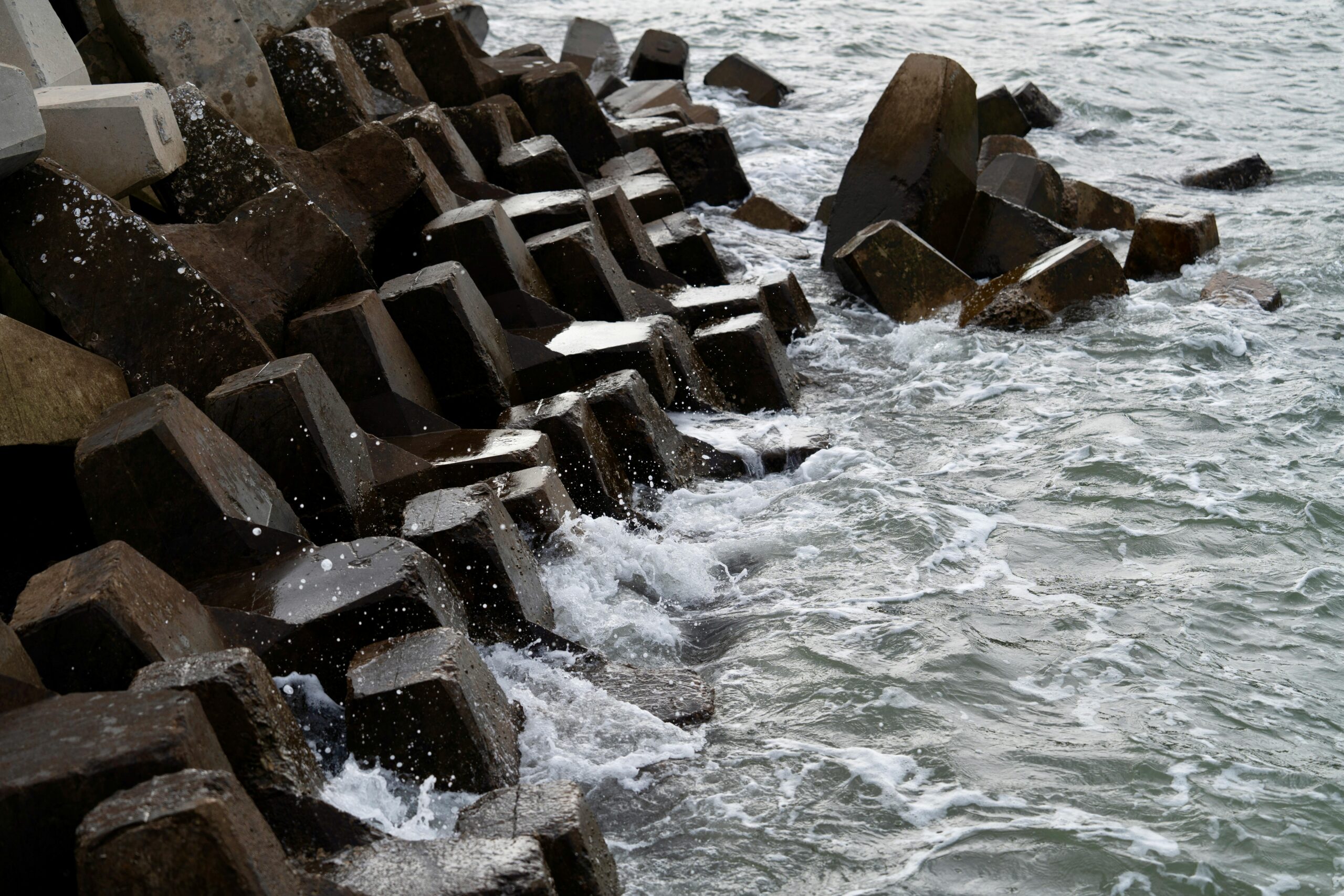
Traditional coastal defense methods—concrete seawalls, rock revetments, and groins—have proven inadequate and sometimes counterproductive. These “gray infrastructure” solutions often worsen erosion downstream, damage ecosystems, and require constant maintenance. The time has come for innovative, locally-adapted solutions that work with nature rather than against it.
Nature-Based Solutions: Learning from the Environment 🌿
Nature has spent millions of years perfecting coastal protection systems. Mangrove forests, salt marshes, coral reefs, and coastal dunes provide natural barriers against waves and storm surges while supporting biodiversity and local economies. Communities embracing these nature-based solutions are discovering their remarkable effectiveness.
Mangrove Restoration Projects Transform Coastlines
In Vietnam’s Mekong Delta, community-led mangrove restoration has created living shields against tropical storms. These projects involve local residents in planting and maintaining mangrove forests, providing employment while reducing coastal vulnerability. Studies show that mangroves can reduce wave heights by up to 66% and protect against storm surges that would otherwise devastate communities.
The economic benefits extend beyond protection. Restored mangrove forests support fisheries, provide timber, and create eco-tourism opportunities. In Indonesia, mangrove restoration has increased local fish catches by 30-40%, demonstrating how environmental protection and economic development can reinforce each other.
Oyster Reefs: Underwater Fortresses
Coastal communities in the United States have rediscovered the protective value of oyster reefs. These natural structures break waves, reduce erosion, and filter water. New York Harbor’s Billion Oyster Project aims to restore oyster populations while creating natural breakwaters that protect the shoreline.
The beauty of oyster reef restoration lies in its multi-functional benefits. Each adult oyster filters up to 50 gallons of water daily, improving water quality while creating habitat for hundreds of marine species. Communities engaged in oyster restoration report not just improved coastal protection but also enhanced recreational opportunities and commercial fishing yields.
🏘️ Community-Driven Coastal Adaptation Strategies
The most successful coastal resilience projects share a common denominator: strong community involvement. Top-down approaches often fail because they ignore local knowledge, needs, and conditions. Bottom-up initiatives that empower residents to lead adaptation efforts consistently deliver better outcomes.
Participatory Planning Processes
In the Netherlands, the “Room for the River” program exemplifies community-centered planning. Rather than simply raising dikes, this innovative approach gives rivers more space to flood safely, involving communities in deciding which areas to designate as flood zones and how to compensate affected residents.
Local participation ensures that solutions address real needs and build on existing strengths. Community members understand their environment’s nuances—historical flood patterns, seasonal changes, vulnerable populations, and available resources. This knowledge proves invaluable when designing effective interventions.
Indigenous Knowledge Integration
Indigenous and traditional coastal communities possess centuries of accumulated wisdom about living with the sea. In the Pacific Islands, traditional practices like building elevated structures, creating inland fish ponds, and planting specific vegetation patterns are being revitalized and integrated with modern engineering.
The Guna people of Panama’s San Blas Islands combine ancestral building techniques with contemporary materials to create climate-resilient structures. Their approach demonstrates how traditional knowledge can inform modern adaptation strategies while preserving cultural identity.
Smart Technology Enhancing Coastal Defense 📱
Technology plays an increasingly vital role in coastal resilience, from early warning systems to real-time monitoring and predictive modeling. These tools empower communities to anticipate threats and respond effectively.
Early Warning Systems Save Lives
Advanced meteorological monitoring and communication networks give coastal communities precious time to prepare for incoming storms and surges. Mobile phone-based alert systems have dramatically reduced casualties in countries like Bangladesh, where cyclone warnings now reach even remote villages.
Modern early warning systems integrate multiple data sources—satellite imagery, ocean buoys, weather stations, and historical patterns—to generate accurate predictions. When coupled with community education and clear evacuation protocols, these systems transform survival rates during extreme events.
Drone Technology and Coastal Mapping
Drones provide cost-effective coastal monitoring, enabling communities to track erosion, document changes, and plan interventions. In Australia, local councils use drone surveys to monitor beach conditions, identify vulnerable areas, and assess the effectiveness of protection measures.
This technology democratizes access to crucial information. Small communities that couldn’t afford expensive aerial surveys can now conduct regular monitoring at minimal cost, making data-driven decisions about where to focus limited resources.
🔧 Innovative Engineering Solutions for Modern Challenges
While nature-based solutions offer tremendous benefits, engineered interventions remain necessary in many contexts. The key lies in developing innovative approaches that complement rather than replace natural systems.
Living Shorelines: Hybrid Protection Systems
Living shorelines combine natural and engineered elements to create robust, self-sustaining coastal protection. These systems might include strategically placed rock sills that reduce wave energy while allowing marsh vegetation to establish, or permeable structures that break waves while permitting water circulation.
Maryland’s Chesapeake Bay region has become a laboratory for living shoreline development. These projects cost less than traditional hardening, require minimal maintenance, and provide superior long-term protection while supporting ecosystem health. Success rates exceed 90% even during major storm events.
Floating Architecture and Amphibious Housing
Some communities are rethinking fundamental assumptions about coastal development. Rather than fighting water, innovative architects and engineers are designing structures that float or adapt to changing water levels. The Netherlands leads this field, with floating homes, parks, and even dairy farms.
Amphibious housing in flood-prone areas remains anchored to the ground but rises with floodwaters, preventing damage while allowing residents to remain in place. These designs prove particularly valuable for communities unwilling or unable to relocate from cherished coastal locations.
Financial Innovation for Coastal Resilience 💰
Implementing coastal protection measures requires significant investment. Innovative financing mechanisms are emerging to fund these critical projects while ensuring long-term sustainability.
Resilience Bonds and Climate Insurance
Resilience bonds provide upfront capital for protective infrastructure, with repayment tied to measured risk reduction. These financial instruments attract private investment into public resilience projects by demonstrating clear returns through reduced disaster costs.
Parametric insurance products automatically pay out when specific conditions occur—such as wind speeds exceeding certain thresholds—providing rapid financial relief without lengthy claims processes. Caribbean nations are pooling resources to purchase collective coverage, reducing costs while ensuring quick post-disaster recovery funding.
Payment for Ecosystem Services
Innovative programs recognize the protective value of natural ecosystems by creating payment mechanisms that fund their conservation. In Mexico, hotels and businesses along the Riviera Maya contribute to a fund that maintains coral reefs, recognizing that healthy reefs reduce wave energy and protect valuable coastal infrastructure.
These schemes align economic incentives with environmental protection, creating sustainable funding streams for ongoing ecosystem management while demonstrating the tangible economic value of nature-based solutions.
🌍 Regional Approaches: Solutions Tailored to Local Contexts
Effective coastal resilience strategies must reflect regional characteristics, challenges, and resources. What works in one location may fail in another due to different environmental conditions, social structures, or economic realities.
Small Island Developing States
Island nations face existential threats from sea-level rise. Their adaptation strategies often emphasize coral reef restoration, coastal vegetation management, and community relocation planning. Fiji’s planned retreat program provides templates for managed migration that preserves community cohesion while moving populations to safer ground.
Delta Regions and River Mouths
Major river deltas face compound threats from sea-level rise, land subsidence, and reduced sediment delivery. Integrated water management approaches that balance flood protection, agricultural needs, and ecosystem health prove essential. The Mississippi Delta’s sediment diversion projects aim to rebuild land naturally while maintaining shipping channels and protecting communities.
Arctic Coastlines
Arctic communities confront unique challenges as permafrost thaws and protective sea ice disappears. Indigenous-led adaptation initiatives combine traditional building techniques with modern materials to create structures resilient to thawing ground and increased storm exposure. These communities are pioneering approaches relevant to all climate-affected regions.
Education and Capacity Building: Investing in People 📚
Technology and infrastructure are only effective when communities possess the knowledge and skills to implement and maintain them. Education and capacity building form the foundation of lasting coastal resilience.
Community Training Programs
Successful resilience initiatives include comprehensive training that transfers technical knowledge to local residents. In the Philippines, coastal communities learn to establish and manage marine protected areas, monitor ecosystem health, and implement alternative livelihoods that reduce pressure on vulnerable resources.
These programs create local expertise that outlasts external support, ensuring that communities can adapt and innovate as conditions change. Trained community members become ambassadors, spreading knowledge to neighboring areas and creating networks of resilience.
Youth Engagement and Future Leadership
Engaging young people ensures continuity and innovation in coastal protection efforts. Youth-focused programs in coastal schools teach climate science, environmental monitoring, and community organizing skills. Students participate in beach cleanups, restoration projects, and adaptation planning, developing both practical skills and emotional connections to coastal protection.
🤝 Cross-Sector Collaboration for Comprehensive Solutions
Coastal resilience demands cooperation across traditional boundaries. Governments, NGOs, private companies, research institutions, and communities must work together, each contributing unique resources and perspectives.
Public-private partnerships leverage business efficiency and capital alongside government authority and public accountability. In Singapore, collaboration between government agencies and private engineering firms has produced world-leading coastal defense systems while creating commercial opportunities in resilience technology export.
Research institutions provide scientific grounding and monitoring capabilities, while NGOs often excel at community engagement and capacity building. Successful projects integrate these diverse actors into coordinated efforts where complementary strengths multiply overall effectiveness.
Measuring Success and Adapting Strategies 📊
Effective resilience building requires continuous monitoring, evaluation, and adjustment. Communities must track progress, identify what works, and modify approaches based on evidence and changing conditions.
Key performance indicators extend beyond simple engineering metrics to include ecosystem health, community wellbeing, economic vitality, and social cohesion. Comprehensive monitoring frameworks capture this complexity, providing nuanced understanding of intervention effectiveness.
Adaptive management approaches embrace uncertainty, treating interventions as experiments that generate learning. This mindset encourages innovation while building institutional flexibility to adjust strategies as new information emerges or conditions change.
The Path Forward: Building Truly Resilient Coastal Communities 🌅
Creating resilient shores requires sustained commitment, adequate resources, and willingness to embrace innovative approaches. The challenges are formidable, but the solutions exist. Communities worldwide are demonstrating that combination of nature-based solutions, community leadership, appropriate technology, and innovative financing can protect coastlines while enhancing environmental health and social wellbeing.
Success demands moving beyond outdated paradigms that view coastal protection as purely engineering challenges requiring massive concrete structures. The future belongs to integrated approaches that harness nature’s power, respect local knowledge, empower communities, and adapt continuously to changing conditions.
The stakes couldn’t be higher. Coastal communities support billions of people, drive global economies, and harbor irreplaceable ecosystems and cultures. By investing in innovative, locally-appropriate resilience solutions today, we secure not just physical protection but also the social, economic, and environmental foundations that make coastal living sustainable and thriving for generations to come.
Every community faces unique circumstances requiring tailored solutions, yet the principles remain consistent: work with nature, empower local leadership, embrace innovation, monitor continuously, and adapt persistently. These foundations provide hope that humanity can indeed build resilient shores capable of weathering whatever challenges the future brings.