Our planet’s coastlines face unprecedented threats from rising seas, erosion, and climate change, demanding immediate and innovative protective measures to safeguard communities and ecosystems.

🌊 The Urgent Reality of Coastal Vulnerability
Coastal regions worldwide are experiencing accelerating degradation at an alarming rate. Approximately 40% of the global population lives within 100 kilometers of the coast, making coastal protection not just an environmental priority but a humanitarian imperative. The convergence of climate change, sea-level rise, and extreme weather events has created a perfect storm threatening these vital areas.
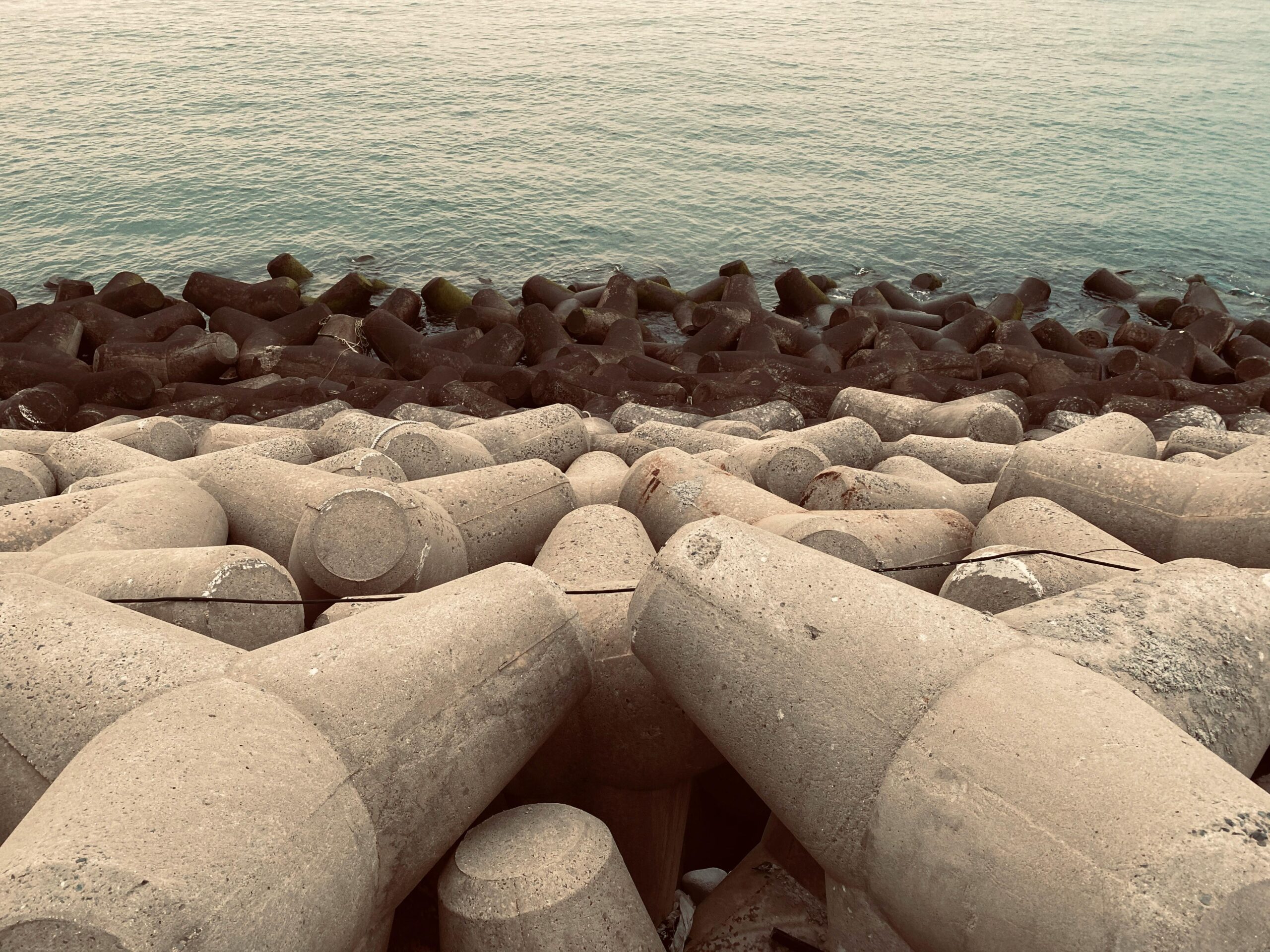
Traditional coastal defense mechanisms are proving insufficient against modern challenges. Hard engineering solutions like seawalls and groynes, while effective in the short term, often create new problems including accelerated erosion in adjacent areas and disruption of natural sediment transport. The financial burden is staggering, with coastal damage costing nations billions annually and threatening to displace millions of people by 2050.
The vulnerability extends beyond human settlements. Coastal ecosystems provide critical services including storm surge protection, carbon sequestration, fisheries support, and biodiversity preservation. When these natural buffers degrade, communities lose their first line of defense against ocean forces, creating cascading effects throughout regional economies and ecosystems.
Revolutionary Nature-Based Defense Systems 🌿
Innovative adaptive solutions are increasingly turning to nature itself for inspiration and implementation. Nature-based solutions work with coastal processes rather than against them, creating resilient systems that strengthen over time. These approaches harness the protective power of coastal vegetation, natural landforms, and ecological processes.
Mangrove restoration projects have demonstrated remarkable success in multiple regions. These remarkable trees act as natural breakwaters, reducing wave energy by up to 66% and protecting shorelines from erosion and storm surge. In Vietnam, mangrove restoration saved millions in coastal defense infrastructure while providing additional benefits including carbon storage, fisheries habitat, and community livelihoods through sustainable forestry.
Salt marsh rehabilitation represents another powerful nature-based strategy. These vegetated tidal ecosystems absorb wave energy, trap sediments, and build elevation naturally, adapting to sea-level rise in ways concrete cannot. Research shows that salt marshes reduce wave heights by 72% over just 35 meters of marsh width, providing cost-effective protection while supporting biodiversity.
Living Shorelines: Hybrid Solutions for Modern Challenges
Living shorelines combine natural elements with strategic engineering to create multifunctional coastal defenses. These systems integrate oyster reefs, vegetation, and strategically placed natural materials to stabilize shorelines while maintaining ecological connectivity. The approach has gained traction across the United States, particularly in Chesapeake Bay where hundreds of living shoreline projects now protect communities.
The advantages extend beyond protection. Living shorelines improve water quality through natural filtration, provide habitat for commercially important species, and create recreational opportunities. Economic analyses consistently show favorable cost-benefit ratios compared to traditional hardening, especially when ecosystem service values are incorporated.
🔬 Advanced Technology Meets Coastal Protection
Technological innovation is transforming how we understand and protect coastlines. Remote sensing technologies, artificial intelligence, and advanced materials science are opening new possibilities for adaptive coastal management. These tools enable precise monitoring, predictive modeling, and responsive interventions that were impossible just decades ago.
Satellite monitoring systems now provide real-time data on coastal change with unprecedented resolution. Synthetic aperture radar and multispectral imaging track shoreline movement, vegetation health, and sediment dynamics continuously. This information feeds into sophisticated modeling systems that predict future conditions under various scenarios, enabling proactive rather than reactive management.
Artificial intelligence algorithms process vast environmental datasets to identify patterns and optimize protection strategies. Machine learning models can predict erosion hotspots, recommend intervention timing, and assess project effectiveness with remarkable accuracy. These tools empower coastal managers to allocate limited resources strategically and adapt approaches based on observed outcomes.
Smart Materials and Adaptive Infrastructure
Material science breakthroughs are creating new possibilities for coastal protection infrastructure. Bio-concrete containing limestone-producing bacteria can self-heal cracks, extending structure lifespan and reducing maintenance costs. Permeable materials allow water and sediment flow while providing structural support, maintaining natural coastal processes while offering protection.
Adaptive infrastructure incorporates flexibility and responsiveness into coastal defenses. Floating breakwaters adjust to changing water levels automatically. Modular systems can be expanded, reconfigured, or relocated as conditions change. These approaches acknowledge uncertainty and build adaptability into protection strategies from the outset.
Community-Centered Coastal Resilience 👥
Effective coastal protection requires community engagement and local knowledge integration. Top-down approaches often fail because they ignore local conditions, cultural values, and traditional wisdom accumulated over generations. Successful projects embed communities in decision-making processes and ensure solutions align with local needs and priorities.
Participatory planning processes bring diverse stakeholders together to develop shared visions for coastal futures. These inclusive approaches build social capital, increase project acceptance, and incorporate valuable local ecological knowledge. Communities become active stewards rather than passive recipients of interventions.
Economic considerations are central to community-centered approaches. Coastal protection projects should support local livelihoods and create employment opportunities. Mangrove restoration can generate income through sustainable harvesting and ecotourism. Living shorelines support recreational and commercial fishing. When communities benefit economically from protection measures, long-term sustainability increases dramatically.
Education and Capacity Building
Knowledge transfer ensures communities can maintain and adapt protection systems independently. Training programs develop local expertise in restoration techniques, monitoring protocols, and adaptive management. Educational initiatives raise awareness about coastal processes and the importance of protective measures, building constituency for continued investment.
Youth engagement creates intergenerational stewardship. Environmental education programs connect young people with coastal ecosystems, fostering appreciation and inspiring future conservation leaders. Student monitoring projects contribute valuable data while developing scientific literacy and environmental consciousness.
🏝️ Regional Approaches to Global Challenges
Coastal protection strategies must be tailored to regional contexts, acknowledging diverse geomorphological settings, climate conditions, and socioeconomic realities. Solutions successful in one location may prove ineffective or inappropriate elsewhere. Regional collaboration enables knowledge sharing while respecting local distinctiveness.
Small island developing states face unique vulnerabilities due to limited land area, high exposure to tropical cyclones, and constrained resources. Innovative solutions in these contexts emphasize multi-functional infrastructure, ecosystem-based adaptation, and regional cooperation. The Pacific Islands have pioneered integrated approaches combining traditional knowledge with modern techniques.
Delta regions present particular challenges due to subsidence, sediment starvation, and competing water demands. The Netherlands has become a global leader in delta management through sophisticated engineering, spatial planning, and nature-based solutions. Their “Room for the River” program demonstrates how giving space to natural processes can enhance both safety and ecosystem health.
Arctic and Polar Coast Protection
Arctic coastlines face unprecedented change as permafrost thaws and sea ice diminishes. These regions require specialized approaches addressing unique conditions including ice dynamics, extreme seasonality, and remoteness. Indigenous communities possess invaluable traditional knowledge about coastal processes and adaptation strategies developed over millennia.
Monitoring is particularly crucial in polar regions where rapid change can occur unpredictably. Remote sensing technologies are essential given vast distances and harsh conditions. International cooperation facilitates data sharing and coordinated research across political boundaries.
Financial Innovation for Coastal Protection 💰
Funding coastal protection at necessary scales requires innovative financial mechanisms beyond traditional government budgets. Climate adaptation faces a massive funding gap, with billions needed annually to protect vulnerable coastlines. New approaches are emerging to mobilize capital from diverse sources including private sector investment, insurance mechanisms, and green bonds.
Ecosystem service valuation provides economic justification for nature-based solutions. Quantifying benefits including fisheries productivity, storm protection, carbon storage, and recreation demonstrates investment returns that traditional cost-benefit analyses miss. This economic case attracts funding from sources motivated by measurable returns.
Resilience bonds represent an innovative financing tool where investors fund protection projects and receive returns based on avoided damages. If a coastal ecosystem prevents flooding during a storm, the economic value of avoided damages generates investor returns. This mechanism aligns financial incentives with resilience outcomes.
Insurance and Risk Transfer Mechanisms
Insurance industry engagement is transforming coastal protection financing. Parametric insurance provides rapid payouts when predefined thresholds are exceeded, enabling swift recovery without lengthy damage assessments. Risk pools spread costs across regions and sectors, making protection affordable for vulnerable communities.
The insurance sector increasingly recognizes that investing in protection reduces future claim costs. Some insurers now offer premium discounts for properties protected by living shorelines or restored ecosystems. This creates market incentives for proactive resilience measures.
🌐 Integrated Coastal Zone Management
Effective coastal protection requires comprehensive approaches addressing multiple stressors simultaneously. Integrated coastal zone management coordinates policies, regulations, and interventions across sectors and jurisdictions. This holistic perspective recognizes that coastal challenges are interconnected and solutions must be similarly comprehensive.
Land use planning is fundamental to coastal resilience. Restricting development in high-risk areas reduces exposure and preserves natural protective features. Setback requirements ensure new construction maintains distance from eroding shorelines. These regulatory approaches prevent future vulnerability while protecting existing investments.
Water quality management supports coastal ecosystem health, strengthening natural defenses. Nutrient pollution degrades salt marshes and seagrass beds, reducing their protective capacity. Addressing upstream pollution sources maintains coastal ecosystem resilience and protective functions.
Cross-Sector Coordination
Coastal protection intersects with multiple policy domains including climate adaptation, biodiversity conservation, fisheries management, and disaster risk reduction. Coordinating these sectors maximizes synergies and minimizes conflicts. Institutional mechanisms that facilitate communication and joint planning are essential.
International frameworks provide platforms for knowledge exchange and coordinated action. The Paris Agreement recognizes adaptation as equally important as mitigation. The Sendai Framework for Disaster Risk Reduction emphasizes ecosystem-based approaches. These agreements create momentum and resources for coastal protection.
Monitoring and Adaptive Management 📊
Coastal systems are dynamic and uncertain, requiring flexible management approaches that learn and adjust over time. Adaptive management treats interventions as experiments, systematically monitoring outcomes and refining strategies based on observations. This iterative approach acknowledges uncertainty while building knowledge through action.
Robust monitoring programs track multiple indicators including shoreline position, vegetation health, species abundance, and community well-being. Long-term datasets reveal trends and enable early detection of problems. Standardized protocols facilitate comparisons across sites and regions, building generalizable knowledge.
Rapid assessment tools enable quick evaluation of protection effectiveness following storms or other events. Drone surveys provide detailed post-event imagery. Community observations contribute valuable qualitative information. Synthesizing diverse data sources creates comprehensive understanding of system dynamics.
🌅 Building a Protected Coastal Future
The challenge of protecting vulnerable coastlines is immense but not insurmountable. Innovation across technology, ecology, finance, and governance is generating effective solutions. Success requires sustained commitment, adequate resources, and collaborative action across all societal sectors. The coastlines we pass to future generations depend on choices we make today.
Scaling successful approaches requires knowledge sharing, capacity building, and political will. Demonstration projects prove concept viability and build momentum. Networks of practitioners accelerate learning and adaptation. Policy frameworks create enabling conditions for widespread implementation.
Ultimately, coastal protection is inseparable from broader sustainability transitions. Reducing greenhouse gas emissions remains essential to limit sea-level rise and storm intensification. Sustainable development reduces pressure on coastal ecosystems while building adaptive capacity. These interconnected challenges demand integrated solutions.
The path forward combines nature’s wisdom with human ingenuity, traditional knowledge with cutting-edge technology, local action with global cooperation. By embracing innovative adaptive solutions, we can shield our shores while preserving the ecological richness and human communities that make coastlines so vital. The future of our coastlines is being written now, and the innovative solutions emerging today offer genuine hope for resilient, thriving coastal regions for generations to come.