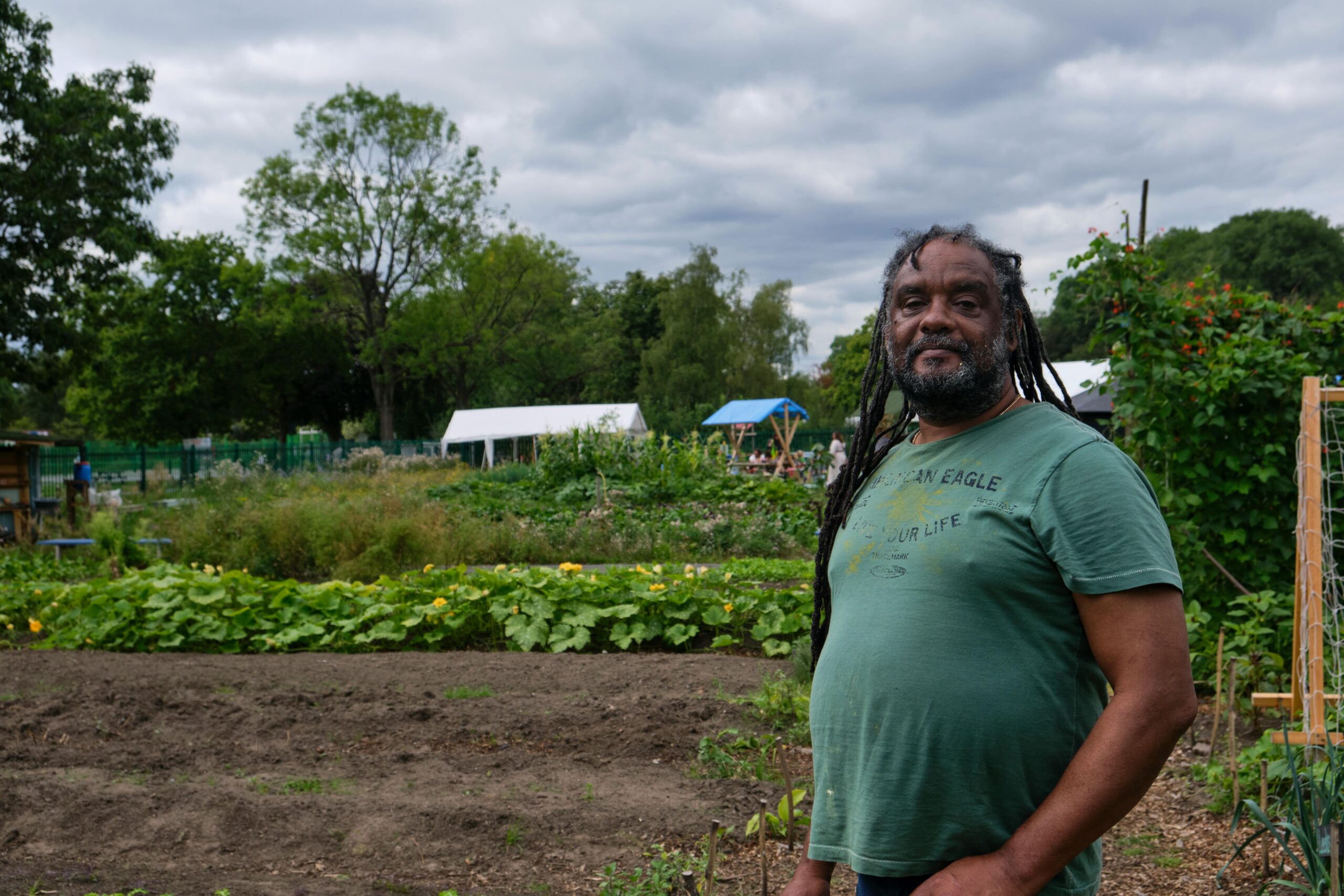
Communities worldwide are reimagining environmental protection through grassroots innovation, proving that local action can deliver powerful solutions to air and water pollution challenges.

🌍 The Power of Community-Led Environmental Action
Traditional top-down approaches to environmental management have often overlooked the unique needs and creative potential of local communities. Yet, some of the most effective pollution mitigation strategies are emerging from neighborhoods, villages, and small towns where residents directly experience environmental degradation. These community-driven initiatives combine indigenous knowledge, modern technology, and collective action to address air and water quality issues that affect daily life.
The shift toward localized environmental solutions reflects a broader recognition that sustainable change requires participation from those most impacted by pollution. When communities take ownership of environmental challenges, they develop context-specific interventions that are more likely to succeed and endure. This approach transforms passive residents into active environmental stewards who monitor, innovate, and implement solutions tailored to their specific circumstances.
Understanding the Local Pollution Landscape
Before implementing solutions, communities must first understand their unique pollution profiles. Air quality issues vary dramatically between industrial zones, agricultural regions, and urban centers. Similarly, water contamination sources differ based on local industries, agricultural practices, and infrastructure conditions. Effective community strategies begin with comprehensive environmental assessments that identify specific pollutants, their sources, and their health impacts.
Citizen science initiatives have revolutionized how communities gather environmental data. Low-cost air quality monitors, water testing kits, and mobile applications enable residents to document pollution patterns in real-time. This democratization of environmental monitoring empowers communities with evidence needed to advocate for change and measure the effectiveness of their interventions.
Mapping Pollution Hotspots Through Collective Intelligence
Communities are increasingly using collaborative mapping technologies to identify pollution hotspots. Residents contribute observations about odors, visible emissions, water discoloration, and health symptoms to create comprehensive pollution maps. These crowdsourced datasets reveal patterns that might escape official monitoring networks, particularly in underserved areas where government surveillance is limited.
Geographic information systems (GIS) combined with community input help identify correlations between pollution sources and health outcomes. This spatial intelligence guides strategic intervention placement, ensuring resources target areas with the greatest need and potential impact.
💨 Innovative Air Quality Solutions at the Neighborhood Level
Air pollution disproportionately affects low-income communities and neighborhoods near industrial facilities or major transportation corridors. Rather than waiting for regulatory changes or technological breakthroughs, these communities are implementing creative solutions that deliver immediate air quality improvements.
Green Infrastructure as Natural Air Filters
Urban forestry initiatives represent one of the most effective community-driven air quality interventions. Trees and vegetation act as biological air filters, capturing particulate matter, absorbing gaseous pollutants, and producing oxygen. Community tree-planting campaigns in cities like Delhi, Los Angeles, and São Paulo have demonstrated measurable air quality improvements in participating neighborhoods.
Vertical gardens and green walls offer air purification benefits in space-constrained urban environments. These living structures can be installed on building facades, along highways, and in industrial areas where traditional landscaping is impractical. Community organizations often partner with property owners to create these green barriers that reduce residents’ exposure to traffic-related air pollution.
Low-Tech Air Purification Systems
Innovative communities have developed affordable air purification solutions using locally available materials. The Corsi-Rosenthal Box, created during the COVID-19 pandemic, demonstrates how simple designs using box fans and furnace filters can effectively reduce indoor air pollution. Community workshops teach residents to build these devices for a fraction of commercial purifier costs.
In developing regions, communities are adapting traditional ventilation designs to improve indoor air quality. Natural ventilation systems that leverage wind patterns and temperature differentials reduce reliance on mechanical systems while maintaining comfortable, clean indoor environments. These designs often incorporate indigenous architectural knowledge adapted for modern contexts.
Transportation Alternatives and Traffic Calming
Vehicle emissions constitute a primary air pollution source in most communities. Grassroots transportation initiatives are reducing emissions through infrastructure changes and behavior modification. Community-led bike lane advocacy, pedestrian zone creation, and car-free day campaigns demonstrate how local action can shift transportation patterns toward cleaner alternatives.
School streets programs, where vehicular traffic is restricted near schools during drop-off and pick-up times, protect children from traffic-related air pollution while encouraging walking and cycling. These initiatives, pioneered by parent groups in European cities, are spreading globally as communities recognize their multiple benefits for air quality, safety, and community cohesion.
💧 Community Strategies for Water Protection and Purification
Access to clean water remains a fundamental challenge for billions of people worldwide. Community-driven water management strategies are addressing contamination from industrial discharge, agricultural runoff, inadequate sanitation, and aging infrastructure through innovative, locally appropriate solutions.
Watershed Protection Through Collective Stewardship
Communities are organizing watershed protection groups that monitor water quality, restore riparian habitats, and prevent contamination at the source. These organizations bring together residents, farmers, businesses, and government agencies to develop comprehensive watershed management plans that balance economic activities with environmental protection.
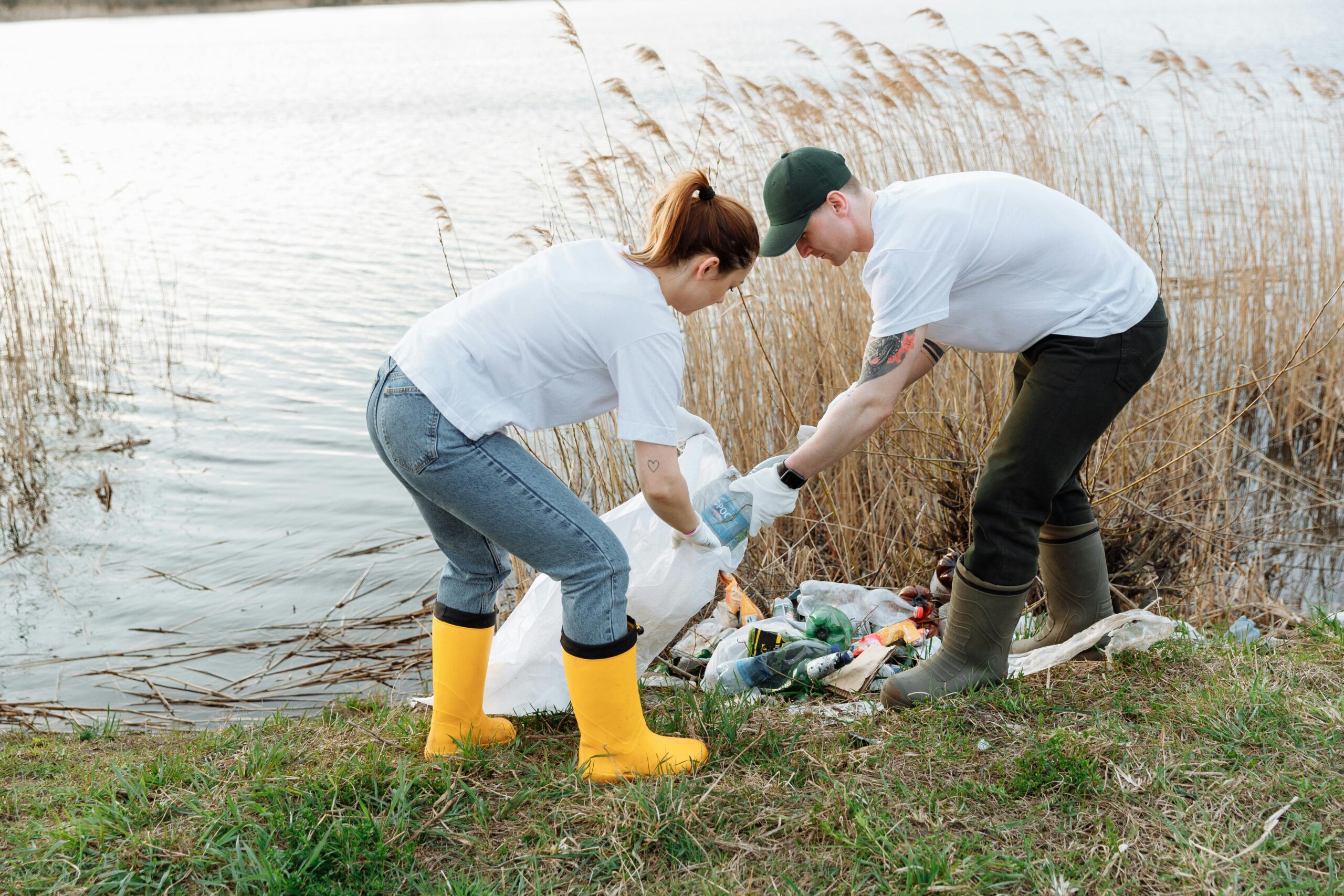
Riparian buffer restoration projects prevent agricultural pollutants and sediment from entering waterways. Community volunteers plant native vegetation along stream banks, creating natural filters that improve water quality while providing wildlife habitat. These projects often combine environmental restoration with recreational infrastructure development, creating community spaces that serve multiple purposes.
Decentralized Water Treatment Systems
Rather than relying exclusively on centralized water treatment infrastructure, communities are implementing distributed treatment systems that address contamination at multiple scales. Constructed wetlands use natural processes to treat wastewater from households, farms, and small businesses before discharge into natural water bodies.
Biosand filters, ceramic filters, and solar disinfection systems provide household-level water treatment in communities lacking piped water infrastructure. Local production of these technologies creates employment while ensuring accessibility and cultural appropriateness. Training programs enable community members to maintain these systems independently, building long-term capacity for clean water access.
Agricultural Innovation for Water Quality
Agricultural runoff containing fertilizers, pesticides, and animal waste significantly impairs water quality in rural and peri-urban communities. Farmer-led initiatives are demonstrating that productive agriculture and water protection are compatible through integrated pest management, precision fertilizer application, and alternative farming systems.
Cover cropping, crop rotation, and reduced tillage practices prevent soil erosion and nutrient runoff while maintaining agricultural productivity. Community knowledge-sharing networks help farmers adopt these practices by providing peer support, shared equipment, and collective marketing for sustainably produced crops.
🔬 Technology Enabling Community Environmental Action
Affordable sensors, mobile connectivity, and open-source software platforms are empowering communities to monitor environmental quality and coordinate responses with unprecedented sophistication. These technologies amplify community capabilities without requiring expensive infrastructure or specialized expertise.
Citizen Science Monitoring Networks
Low-cost environmental sensors enable communities to establish dense monitoring networks that capture pollution variations missed by sparse official monitoring stations. Air quality sensors costing under fifty dollars provide real-time data on particulate matter, allowing residents to make informed decisions about outdoor activities and identify pollution sources.
Water quality testing applications guide citizens through sampling protocols and connect portable testing devices to smartphone apps that analyze results and share data with community networks. This democratization of environmental monitoring creates accountability pressure on polluters and government agencies while building community environmental literacy.
Digital Platforms for Coordination and Advocacy
Communities use social media, messaging apps, and specialized platforms to coordinate environmental actions, share successes, and amplify advocacy campaigns. These digital tools enable rapid response to pollution incidents, mobilize volunteers for restoration projects, and create networks that connect communities facing similar challenges.
Online mapping platforms allow communities to visualize environmental data, track changes over time, and communicate findings to decision-makers and media. Interactive maps showing pollution levels, remediation projects, and health impacts transform abstract environmental data into compelling narratives that drive policy change.
🤝 Building Partnerships for Greater Impact
While community-driven solutions demonstrate impressive results at local scales, partnerships with academic institutions, NGOs, government agencies, and private sector entities multiply their impact. These collaborations provide technical expertise, funding, policy connections, and scaling opportunities while maintaining community control over priorities and implementation.
University-Community Collaborations
Academic partnerships bring research capabilities and technical resources to community environmental projects. University students and faculty work alongside residents to conduct environmental assessments, evaluate intervention effectiveness, and document best practices. These collaborations produce actionable knowledge while training the next generation of environmental professionals in community-engaged approaches.
Community-based participatory research ensures that academic projects address community-identified priorities and produce results accessible to non-specialist audiences. This approach contrasts with traditional research that extracts data from communities without delivering tangible benefits or involving residents in knowledge production.
Corporate Engagement and Green Business Development
Forward-thinking businesses recognize that environmental quality affects workforce health, regulatory compliance, and community relations. Company-community partnerships fund environmental monitoring, support green infrastructure projects, and modify industrial practices to reduce pollution. These arrangements work best when communities maintain independent monitoring capabilities and genuine influence over partnership terms.
Green business incubators in environmentally burdened communities create economic opportunities while addressing pollution. Enterprises focused on recycling, renewable energy, sustainable agriculture, and environmental services generate employment and revenue while advancing environmental goals. Community ownership or profit-sharing arrangements ensure that economic benefits remain local.
📊 Measuring Success and Adapting Strategies
Effective community environmental initiatives incorporate monitoring and evaluation systems that track progress, identify challenges, and guide adaptive management. Success metrics include both environmental indicators like pollutant concentrations and social outcomes such as community engagement, health improvements, and policy changes.
Participatory Evaluation Methods
Communities develop evaluation frameworks that reflect their priorities and capture changes most meaningful to residents. Photovoice projects document environmental conditions and community perspectives through resident-generated images. Community surveys assess perceived environmental quality, health symptoms, and satisfaction with interventions.
Regular community meetings review monitoring data, celebrate successes, and troubleshoot challenges. This participatory approach builds collective learning capacity and ensures that interventions remain responsive to changing conditions and community needs.
🌱 Scaling Local Solutions Through Knowledge Networks
Successful community environmental strategies spread through formal and informal knowledge exchange networks. Communities document their approaches, host site visits, and participate in exchanges that transfer insights across geographic and cultural contexts. These networks prevent duplication of effort while encouraging innovation through adaptation to local circumstances.
Online platforms dedicated to community environmental action provide repositories of case studies, technical guides, and toolkits that lower barriers to implementation. Video documentation, webinars, and virtual exchanges make knowledge accessible to resource-constrained communities worldwide.
Overcoming Common Challenges
Community-driven environmental initiatives face predictable obstacles including limited funding, technical capacity gaps, political opposition, and volunteer burnout. Successful projects anticipate these challenges and develop strategies to address them proactively.
Diversified funding strategies combining small grants, crowdfunding, municipal support, and revenue-generating activities provide financial stability. Capacity building through training programs and mentorship relationships develops local expertise that reduces dependence on external consultants. Clear governance structures with defined roles and decision-making processes prevent conflicts and ensure accountability.
Sustaining Momentum Over Time
Environmental improvements often require sustained effort over years or decades. Communities maintain momentum by celebrating incremental victories, rotating leadership roles to prevent burnout, and connecting environmental work to broader community goals like economic development, education, and social justice.
Integrating environmental initiatives into community institutions like schools, faith communities, and cultural organizations ensures continuity beyond individual projects. Youth engagement programs develop the next generation of environmental leaders who will sustain and expand community environmental work.
The Future of Community Environmental Innovation
As climate change intensifies environmental challenges, community-driven solutions will become increasingly critical. Local innovations that reduce pollution, build resilience, and improve quality of life demonstrate that transformative change emerges from grassroots action combined with supportive policies and enabling technologies.
The most effective environmental strategies will continue to be those that recognize communities not as passive beneficiaries of expert interventions but as knowledgeable innovators capable of solving their own challenges. Supporting these community-driven approaches through funding, technical assistance, and policy reform offers the best path toward universal access to clean air and water.
Communities worldwide are proving daily that pollution is not inevitable and that local action produces measurable environmental improvements. By sharing knowledge, building networks, and adapting successful strategies to local contexts, the global community can accelerate progress toward the clean, healthy environments that all people deserve. The solutions already exist in communities addressing these challenges with creativity, determination, and collective action. The task now is to amplify, support, and learn from these innovations as they reshape environmental protection for the 21st century.