
Climate change has intensified flooding worldwide, making traditional infrastructure insufficient. Smart micro-infrastructure offers scalable, cost-effective solutions to protect communities from devastating water damage.

🌊 Understanding the Urgency of Modern Flood Challenges
Flooding has emerged as one of the most destructive natural disasters facing communities globally. According to recent climate data, flood-related incidents have increased by over 134% in the past two decades, affecting millions of people and causing billions in economic losses. Traditional flood prevention methods, such as massive dams and levees, are proving inadequate against the unpredictable nature of modern weather patterns.
The conventional approach to flood management relies heavily on large-scale infrastructure projects that require substantial investment, lengthy construction periods, and ongoing maintenance. These mega-projects, while beneficial, often leave gaps in protection, particularly in underserved communities and rapidly developing urban areas. The need for adaptive, responsive, and scalable solutions has never been more critical.
Smart micro-infrastructure represents a paradigm shift in how we approach flood prevention. Unlike monolithic systems, these solutions are modular, distributed, and technologically enhanced. They work in harmony with natural water systems while incorporating sensors, data analytics, and automated responses to create resilient networks that can adapt to changing conditions in real-time.
💡 What Defines Smart Micro-Infrastructure for Flood Management
Smart micro-infrastructure encompasses a range of small-scale, technology-enabled solutions designed to manage water flow, absorption, and storage at localized levels. These systems integrate Internet of Things (IoT) devices, artificial intelligence, and sustainable engineering principles to create responsive flood prevention networks.
The key characteristics of these solutions include their distributed nature, allowing them to be deployed incrementally across communities. Each component functions independently while contributing to a larger protective ecosystem. This decentralized approach reduces single points of failure and enables communities to implement solutions based on their specific needs and budgets.
Core Components of Smart Micro-Infrastructure Systems
Permeable pavements embedded with moisture sensors represent one fundamental element. These surfaces allow water to infiltrate the ground naturally while monitoring saturation levels. When combined with smart drainage systems, they can redirect excess water to designated storage areas before flooding occurs.
Green infrastructure elements such as bioswales, rain gardens, and living walls serve dual purposes. They absorb significant amounts of stormwater while beautifying neighborhoods. When equipped with IoT sensors, these natural features become active participants in flood prediction and prevention strategies.
Smart retention basins and underground storage tanks offer temporary water storage during peak rainfall events. Connected to weather forecasting systems, these facilities can pre-emptively release stored water when conditions are favorable, creating capacity for incoming storms.
🔧 Technological Integration That Powers Resilience
The technological backbone of smart micro-infrastructure relies on sophisticated sensor networks that continuously monitor environmental conditions. Rainfall intensity, soil moisture, water table levels, and flow rates are measured in real-time, creating a comprehensive picture of hydrological conditions across entire communities.
Machine learning algorithms process this data to identify patterns and predict flood risks with increasing accuracy. These systems learn from historical events, weather patterns, and seasonal variations to improve their forecasting capabilities. Communities receive early warnings that allow for proactive responses rather than reactive emergency measures.
Cloud-based platforms aggregate data from distributed sensors, making information accessible to municipal authorities, emergency services, and residents. Mobile applications provide real-time alerts, evacuation routes, and safety instructions tailored to specific locations. This democratization of information empowers communities to participate actively in their own protection.
Automated Response Mechanisms
Smart valves and gates can automatically adjust water flow based on sensor inputs. During heavy rainfall, these devices open drainage pathways, redirect water to storage facilities, or activate pumping systems without human intervention. This automated response dramatically reduces reaction times and prevents overwhelmed drainage systems.
Solar-powered pumps and filtration systems ensure operation even during power outages that commonly accompany severe weather events. Battery backup systems and renewable energy integration make these solutions reliable when communities need them most.
🏘️ Community-Scale Implementation Strategies
Successful deployment of smart micro-infrastructure requires careful planning that considers local topography, existing drainage patterns, and community characteristics. Assessment begins with detailed mapping of flood-prone areas, vulnerable infrastructure, and natural water flow patterns.
Pilot projects in specific neighborhoods allow communities to test solutions before widespread implementation. These initial deployments provide valuable data about effectiveness, maintenance requirements, and community acceptance. Lessons learned inform expansion strategies and help optimize system configurations.
Community engagement represents a critical success factor. Residents must understand how these systems work, their benefits, and their role in maintenance. Educational programs, demonstration sites, and participatory planning sessions build support and ensure long-term sustainability.
Financing and Resource Allocation
The modular nature of micro-infrastructure enables phased implementation that aligns with available budgets. Communities can prioritize high-risk areas while gradually expanding coverage. This approach contrasts sharply with traditional projects that require massive upfront investment.
Public-private partnerships create opportunities for innovative financing models. Technology companies gain real-world testing environments while communities access cutting-edge solutions at reduced costs. Municipal bonds, climate resilience grants, and insurance premium reductions help fund implementation.
Cost-benefit analyses consistently demonstrate favorable returns on investment. Avoided flood damage, reduced insurance claims, and increased property values offset installation and maintenance expenses. Communities that implement these solutions typically recover costs within five to seven years.
🌍 Global Success Stories and Proven Results
Copenhagen, Denmark has emerged as a global leader in smart micro-infrastructure implementation. The city’s CloudBurst Management Plan incorporates hundreds of micro-solutions including permeable surfaces, green corridors, and intelligent retention systems. Since deployment began, flood-related damages have decreased by 60% despite increasing rainfall intensity.
Singapore’s Active, Beautiful, Clean Waters program integrates smart technology with natural water features. The system manages stormwater while creating recreational spaces and enhancing biodiversity. Real-time monitoring ensures optimal performance across the city-state’s 280 square miles.
Rotterdam in the Netherlands has transformed vulnerable areas through innovative water plazas that serve as public spaces during dry periods and retention basins during storms. Sensor networks predict flooding hours in advance, automatically preparing systems and alerting residents.
Lessons from Developing Regions
Surat, India implemented affordable micro-infrastructure solutions that combine traditional knowledge with modern technology. Community-maintained bioswales and smart pumping stations have protected informal settlements previously devastated by monsoon flooding. The low-cost approach demonstrates scalability for resource-constrained environments.
Brazilian favelas have adopted simplified sensor systems that provide early warnings through community WhatsApp groups. Combined with strategic placement of absorption features, these grassroots efforts significantly reduce casualties and property loss during intense rainfall events.
📊 Measuring Impact and Continuous Improvement
Comprehensive monitoring systems track multiple performance indicators beyond simple flood occurrence. Water quality improvements, groundwater recharge rates, urban heat island mitigation, and biodiversity enhancement all contribute to holistic community resilience.
Data analytics platforms identify system weaknesses and optimization opportunities. Machine learning algorithms suggest infrastructure adjustments based on observed performance and changing environmental conditions. This continuous improvement cycle ensures systems evolve with community needs.
Transparent reporting builds public trust and justifies ongoing investment. Interactive dashboards show real-time system status, historical performance data, and cost savings. Communities see tangible results from their investment in resilient infrastructure.
🚀 Future Innovations Reshaping Flood Prevention
Emerging technologies promise even more sophisticated flood management capabilities. Autonomous drones equipped with sensors can rapidly assess flood risks across large areas, identifying vulnerable points before storms arrive. This aerial intelligence supplements ground-based sensor networks.
Biodegradable sensors embedded in natural landscapes provide temporary monitoring during critical periods without environmental impact. These disposable devices decompose after use, eliminating maintenance requirements and reducing long-term costs.
Blockchain-based water rights and flood insurance systems create transparent mechanisms for resource allocation and risk sharing. Smart contracts automatically trigger compensation when flood thresholds are exceeded, accelerating recovery for affected residents.
Integration with Smart City Ecosystems
Flood management systems increasingly connect with broader smart city infrastructure. Traffic signals adjust to facilitate evacuation, emergency services receive real-time flood mapping, and power grids preemptively shut down vulnerable sections to prevent electrical hazards.
Cross-system data sharing enables predictive maintenance across multiple infrastructure domains. A failing pump in the flood prevention network might indicate broader issues with electrical distribution or water supply systems, allowing coordinated responses.
🛠️ Overcoming Implementation Challenges
Technical challenges include sensor reliability in harsh weather conditions, data security concerns, and integration with legacy infrastructure. Robust device engineering, encrypted communications, and modular interfaces address these obstacles while maintaining system flexibility.
Institutional barriers often prove more difficult than technical hurdles. Fragmented governance structures, unclear regulatory frameworks, and resistance to innovation slow implementation. Successful communities establish dedicated coordination mechanisms and update regulations to accommodate new technologies.
Maintenance requirements demand attention to ensure long-term effectiveness. Training local technicians, establishing spare parts supplies, and creating preventive maintenance schedules prevent system degradation. Community ownership models distribute maintenance responsibilities and build local capacity.
🌱 Environmental and Social Co-Benefits
Smart micro-infrastructure delivers advantages extending far beyond flood prevention. Green components improve air quality, reduce urban temperatures, and create wildlife habitats. These environmental benefits enhance quality of life while building climate resilience.
Social cohesion strengthens when communities participate in planning and maintaining flood prevention systems. Shared responsibility for neighborhood protection fosters connections among residents and builds social capital that proves valuable during emergencies.
Economic opportunities emerge through local manufacturing of system components, maintenance services, and data analysis positions. Communities develop expertise that can be exported to other regions facing similar challenges, creating sustainable livelihoods.
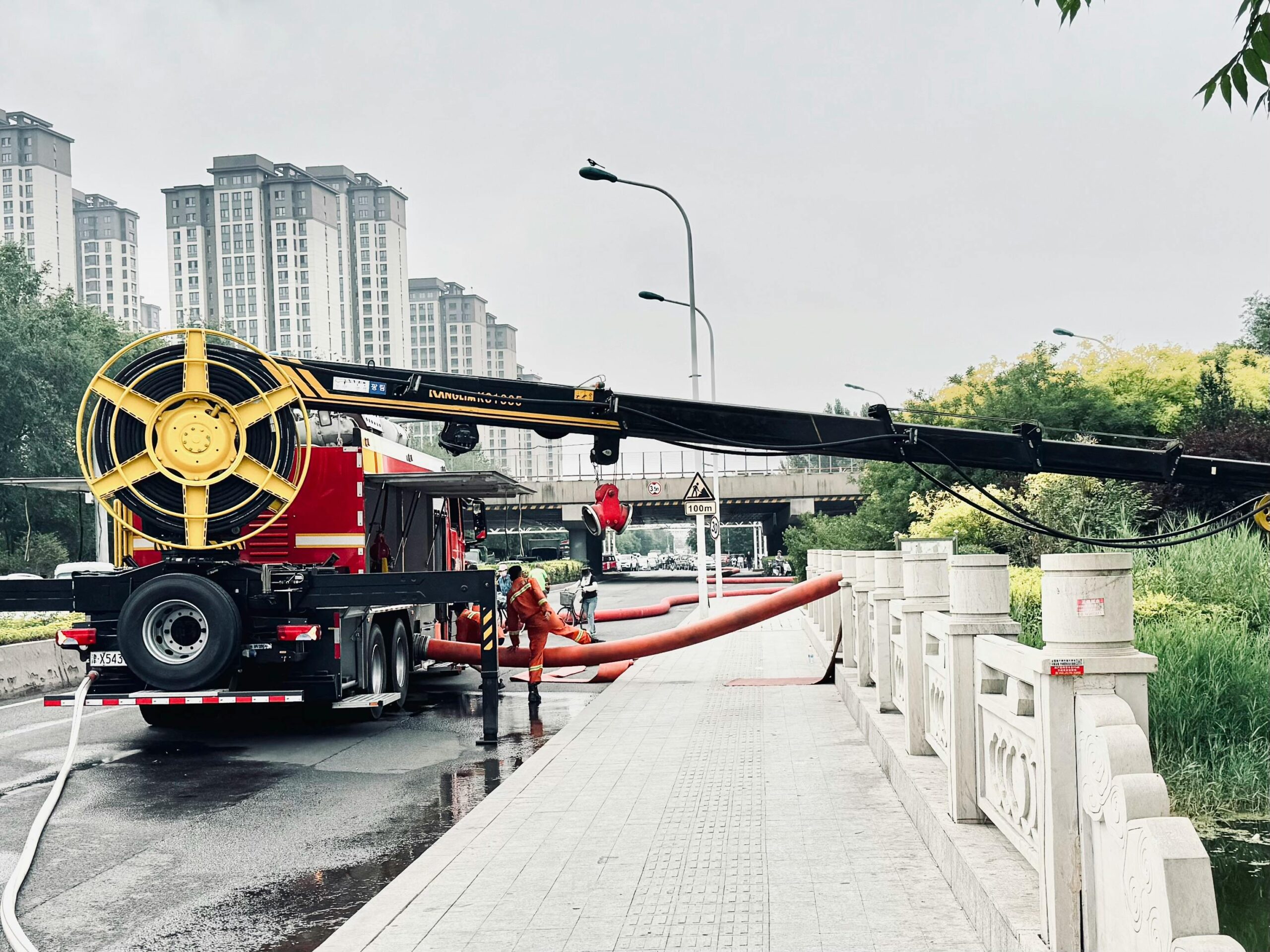
🎯 Building Toward Truly Resilient Communities
The transformation from vulnerable settlements to resilient communities requires more than infrastructure alone. Education programs teach residents about flood risks, system capabilities, and personal preparedness. Knowledge empowers individuals to make informed decisions that enhance collective safety.
Regular drills and simulations ensure everyone understands their role during flood events. These exercises test both technological systems and human responses, identifying gaps and building confidence in emergency procedures.
Long-term planning integrates flood resilience into broader community development strategies. Land use decisions, building codes, and infrastructure investments all reflect the priority placed on water management and climate adaptation.
Smart micro-infrastructure solutions represent a fundamental reimagining of flood prevention, moving from reactive emergency response to proactive risk management. By combining distributed physical systems with advanced technologies, communities create adaptive defenses that grow stronger with each weather event. The modular nature enables implementation across diverse contexts, from wealthy urban centers to resource-constrained developing regions.
As climate change intensifies weather extremes, the question is no longer whether to adopt these innovations but how quickly communities can implement them. The evidence from pioneering cities demonstrates that smart micro-infrastructure delivers measurable protection while generating environmental, social, and economic benefits that extend far beyond flood prevention. Communities that embrace these solutions today build resilience that will protect generations to come, transforming vulnerability into strength through intelligent design and community commitment.