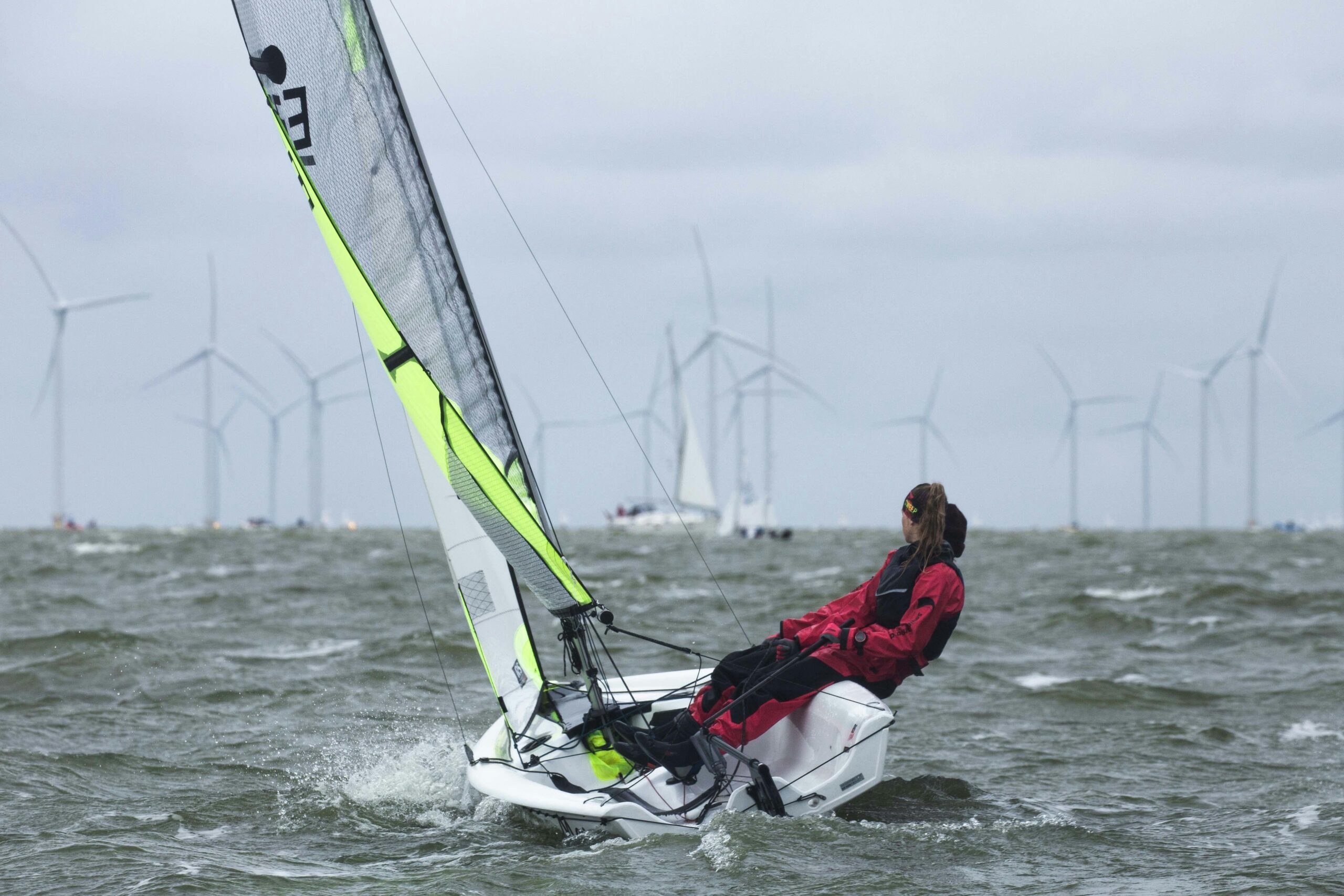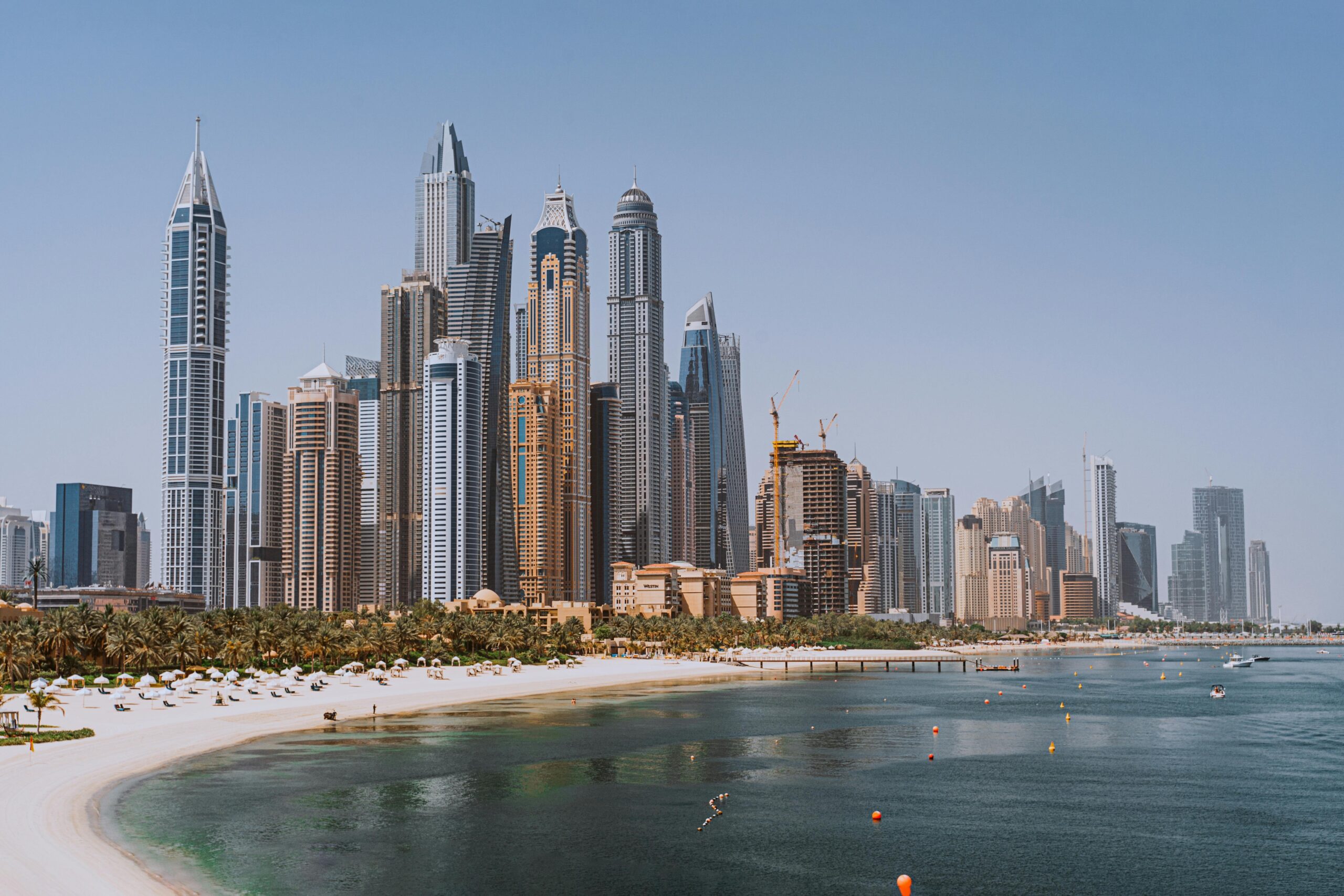
The blue economy is rapidly emerging as a critical frontier for sustainable development, where innovation meets ocean stewardship to unlock unprecedented economic opportunities while preserving marine ecosystems.

🌊 Understanding the Blue Economy Revolution
The blue economy encompasses all economic activities related to oceans, seas, and coastal areas, representing a market valued at over $2.5 trillion annually. This emerging sector includes fisheries, aquaculture, renewable energy, maritime transport, tourism, and biotechnology. As global populations grow and terrestrial resources become increasingly strained, the sustainable utilization of marine resources has become paramount for economic prosperity and environmental conservation.
What distinguishes the blue economy from traditional ocean-based industries is its fundamental commitment to sustainability. Rather than exploiting marine resources until depletion, this approach emphasizes regenerative practices that maintain ecosystem health while generating economic value. This paradigm shift requires innovative solutions that can be tested, validated, and scaled effectively—precisely where pilot projects play their crucial role.
The Strategic Role of Pilot Projects in Marine Innovation
Pilot projects serve as essential testing grounds for innovative concepts in the blue economy. These initiatives allow organizations to validate technologies, business models, and operational approaches on a manageable scale before committing substantial resources to full deployment. In the complex marine environment, where variables are numerous and stakes are high, this measured approach minimizes risk while maximizing learning opportunities.
Successful pilot projects in the blue economy share several characteristics. They address specific challenges with clear objectives, incorporate stakeholder engagement from inception, establish measurable success metrics, and design scalability into their foundational structure. These elements transform pilots from mere experiments into strategic pathways toward sustainable growth.
Key Components of Effective Blue Economy Pilots
- Clear problem definition: Identifying specific challenges within marine sectors that require innovative solutions
- Stakeholder collaboration: Engaging fishing communities, technology providers, regulators, and environmental organizations
- Technology integration: Leveraging digital tools, sensors, and data analytics for monitoring and optimization
- Environmental baseline: Establishing ecological benchmarks to measure impact throughout project lifecycle
- Economic viability assessment: Ensuring business models can sustain operations beyond pilot funding
- Regulatory alignment: Working within existing frameworks while informing policy development
⚓ Scalability: Designing for Growth from Day One
The transition from pilot to scaled implementation represents the most critical challenge in blue economy innovation. Many promising pilots fail at this juncture because scalability wasn’t embedded in their design. Scalable pilot projects incorporate flexible frameworks that can expand geographically, technologically, and operationally without requiring complete redesign.
Technology platforms exemplify this principle. A digital traceability system for sustainable fisheries might begin with fifty fishing vessels in a single port. However, if designed with cloud infrastructure, modular components, and standardized data protocols, the same system can expand to thousands of vessels across multiple regions. This architectural foresight dramatically reduces scaling costs and accelerates deployment timelines.
Building Blocks of Scalable Marine Projects
Modularity stands as perhaps the most important design principle for scalable pilots. Rather than creating monolithic solutions, successful projects develop component-based systems where elements can be added, removed, or modified without disrupting the entire operation. In aquaculture, this might mean developing standardized monitoring units that function identically whether deployed in ten fish farms or ten thousand.
Standardization complements modularity by ensuring consistency across expanded operations. When procedures, data formats, and quality standards remain uniform, training becomes efficient, maintenance simplified, and integration seamless. The renewable ocean energy sector demonstrates this principle through standardized connection protocols that allow different wave or tidal energy devices to integrate with existing power grids.
Partnership networks provide the human infrastructure for scaling. Pilot projects that cultivate relationships with technology providers, financial institutions, academic researchers, and community organizations create ecosystems that facilitate growth. These networks provide access to expertise, capital, markets, and social license—all essential for moving beyond pilot scale.
🐟 Real-World Applications Transforming Ocean Industries
Sustainable aquaculture represents one of the most dynamic areas for scalable pilot innovation. Traditional fish farming often generates environmental concerns including water pollution, disease transmission, and habitat disruption. Modern pilots address these challenges through integrated multi-trophic aquaculture (IMTA), where different species occupy complementary ecological niches. Fish waste feeds shellfish and seaweed, which purify water while generating additional revenue streams.
A pilot project in Norway demonstrated this concept’s potential by combining salmon farming with mussel and kelp cultivation. Initial results showed thirty percent reduction in nutrient pollution while increasing overall productivity by twenty-five percent. The system’s modular design allowed expansion from three hectares to over fifty within eighteen months, with plans for international replication in Southeast Asia and Latin America.
Digital Transformation in Fisheries Management
Illegal, unreported, and unregulated fishing costs the global economy billions annually while devastating fish stocks. Pilot projects leveraging blockchain technology, satellite monitoring, and artificial intelligence are revolutionizing traceability and enforcement. These systems track fish from capture through processing to consumer, creating transparent supply chains that reward sustainable practices.
One Caribbean initiative equipped artisanal fishing vessels with low-cost GPS and catch reporting devices. Data flows to a blockchain ledger, providing verifiable sustainability credentials that command premium prices in export markets. The pilot began with one hundred vessels and has scaled to over two thousand across five island nations, increasing fisher incomes by an average of forty percent while reducing overfishing pressure.
Renewable Ocean Energy: From Concept to Commercial Scale
The ocean holds immense renewable energy potential through waves, tides, currents, and thermal gradients. However, harsh marine environments and high capital costs have hindered deployment. Scalable pilot projects are changing this dynamic by demonstrating technical feasibility and economic viability at increasing scales.
Tidal energy projects exemplify the pilot-to-scale pathway. Early installations consisted of single turbines generating enough electricity for dozens of homes. Contemporary projects deploy arrays of optimized turbines producing megawatts—sufficient for thousands of households. Each iteration incorporated lessons from previous pilots regarding materials, maintenance protocols, and grid integration, steadily improving performance while reducing costs.
| Energy Source | Pilot Scale | Commercial Scale | Key Scaling Challenge |
|---|---|---|---|
| Wave Energy | 100 kW | 10+ MW | Device durability in extreme conditions |
| Tidal Energy | 500 kW | 50+ MW | Environmental impact assessment |
| Ocean Thermal | 1 MW | 100+ MW | Deep water infrastructure costs |
| Offshore Wind | 5 MW | 1000+ MW | Grid connection and energy storage |
🔬 Marine Biotechnology: Unlocking Ocean Pharmaceutical Potential
The ocean harbors extraordinary biodiversity, with countless organisms producing unique compounds for defense, communication, and survival. Marine biotechnology pilot projects explore these compounds for pharmaceutical, cosmetic, and industrial applications. The sector demonstrates how blue economy innovation can generate high-value products while incentivizing ocean conservation.
Bioprospecting pilots typically begin with systematic collection and screening of marine organisms. Researchers identify promising compounds, then develop cultivation or synthesis methods. A Mediterranean project discovered antimicrobial compounds in sponges that now inform development of infection-resistant medical devices. The pilot’s success attracted pharmaceutical investment, scaling from laboratory research to clinical trials within five years.
Financing Models Enabling Blue Economy Scale-Up
Innovative financing mechanisms are essential for transitioning pilots to commercial operations. Traditional venture capital often struggles with the blue economy’s longer development timelines and regulatory complexities. Alternative models are emerging to fill this gap and accelerate sustainable ocean innovation.
Blue bonds represent dedicated debt instruments financing ocean-positive projects. These financial tools attract impact investors seeking environmental returns alongside financial yields. Seychelles pioneered sovereign blue bonds, raising millions for marine protected area expansion and sustainable fisheries. The model has since been replicated by nations including Belize and Barbados, creating templates for scaling conservation finance.
Blended Finance Approaches
Blended finance combines public grants, philanthropic capital, and commercial investment to share risks while pursuing sustainability goals. Development banks might provide concessional loans that reduce project costs, making commercial investment viable. This approach proved successful in scaling offshore aquaculture in developing regions, where pure commercial financing was unavailable but blended structures provided adequate risk-adjusted returns.
Results-based financing links payments to verified outcomes rather than activities. A coastal restoration project might receive compensation based on measured increases in fish populations or coastal protection value. This approach aligns incentives toward genuine impact while building evidence for scaling successful interventions. Technology platforms that provide real-time monitoring enable these financing models by generating verifiable impact data.
🌍 Policy Frameworks Supporting Scalable Innovation
Regulatory environments profoundly influence pilot project success and scalability. Supportive policies reduce barriers to experimentation while establishing clear pathways from pilot approval to commercial operation. Progressive maritime nations are developing regulatory sandboxes specifically for blue economy innovation, where projects can test new approaches under supervised conditions with streamlined approval processes.
Scotland’s approach illustrates effective policy support for scalable ocean innovation. The nation established dedicated zones for testing marine renewable energy technologies with fast-track permitting and grid connection guarantees. This framework attracted dozens of pilot projects, several of which have progressed to commercial deployment. The predictable regulatory environment reduced investor risk, facilitating the capital flows necessary for scaling.
International Cooperation and Knowledge Transfer
Ocean challenges transcend national boundaries, making international collaboration essential for scaling blue economy solutions. Pilot projects in one region can inform implementations globally when knowledge transfer mechanisms exist. International organizations, research networks, and technology platforms facilitate this exchange, accelerating the global transition toward sustainable ocean use.
The United Nations Decade of Ocean Science for Sustainable Development promotes collaboration through data sharing, standardized methodologies, and capacity building programs. These initiatives help developing nations leapfrog outdated practices by adopting proven innovations from successful pilots elsewhere. This cooperative approach multiplies the impact of individual pilot projects far beyond their original locations.
Measuring Impact: Metrics That Matter for Sustainability
Effective scaling requires robust impact measurement that captures both economic performance and environmental outcomes. Triple bottom line accounting—assessing social, environmental, and financial returns—provides comprehensive evaluation frameworks for blue economy pilots. These metrics guide project refinement and demonstrate value to stakeholders whose support enables scaling.
Environmental metrics might include water quality improvements, biodiversity increases, carbon sequestration rates, or plastic pollution reduction. Social metrics capture job creation, income distribution, community wellbeing, and traditional knowledge preservation. Financial metrics extend beyond profit to include economic resilience, market creation, and value chain development. Together, these dimensions reveal whether projects genuinely advance sustainable development or merely rebrand business as usual.
🚀 Future Horizons: Emerging Opportunities in the Blue Economy
The blue economy’s innovation frontier continues expanding as technologies mature and new opportunities emerge. Deep sea mineral extraction, ocean-based carbon capture, and marine spatial planning represent areas where pilot projects are just beginning to demonstrate potential. Each domain requires careful balance between economic opportunity and environmental stewardship—the defining challenge of sustainable ocean development.
Artificial intelligence and machine learning are transforming ocean monitoring and management. Autonomous vessels equipped with sensors collect vast environmental datasets, while algorithms identify patterns invisible to human observers. These capabilities enable adaptive management systems that respond dynamically to changing conditions, optimizing outcomes across multiple objectives simultaneously. Pilot projects deploying these technologies are establishing frameworks for the intelligent oceans of tomorrow.

Building the Blue Economy of Tomorrow
Scalable pilot projects represent more than testing grounds for individual innovations—they constitute the foundational building blocks of a sustainable blue economy. By validating technologies, refining business models, building partnerships, and demonstrating impact, these initiatives chart pathways from conceptual promise to transformative reality. Their success determines whether humanity can harness ocean resources to meet growing needs while preserving marine ecosystems for future generations.
The journey from pilot to scale demands patience, adaptability, and unwavering commitment to sustainability principles. Not every innovative idea will succeed, but systematic experimentation guided by clear metrics and stakeholder collaboration maximizes learning from both successes and failures. As climate change intensifies and populations grow, the blue economy’s importance will only increase, making today’s pilots tomorrow’s essential infrastructure.
Stakeholders across sectors—governments, businesses, researchers, communities, and civil society—must collaborate to create enabling environments where blue economy innovation flourishes. This means developing supportive policies, mobilizing patient capital, investing in education and capacity building, and maintaining scientific rigor in impact assessment. The ocean has sustained humanity throughout history; scalable pilot projects ensure it continues providing prosperity while thriving ecologically into an uncertain but hopeful future.