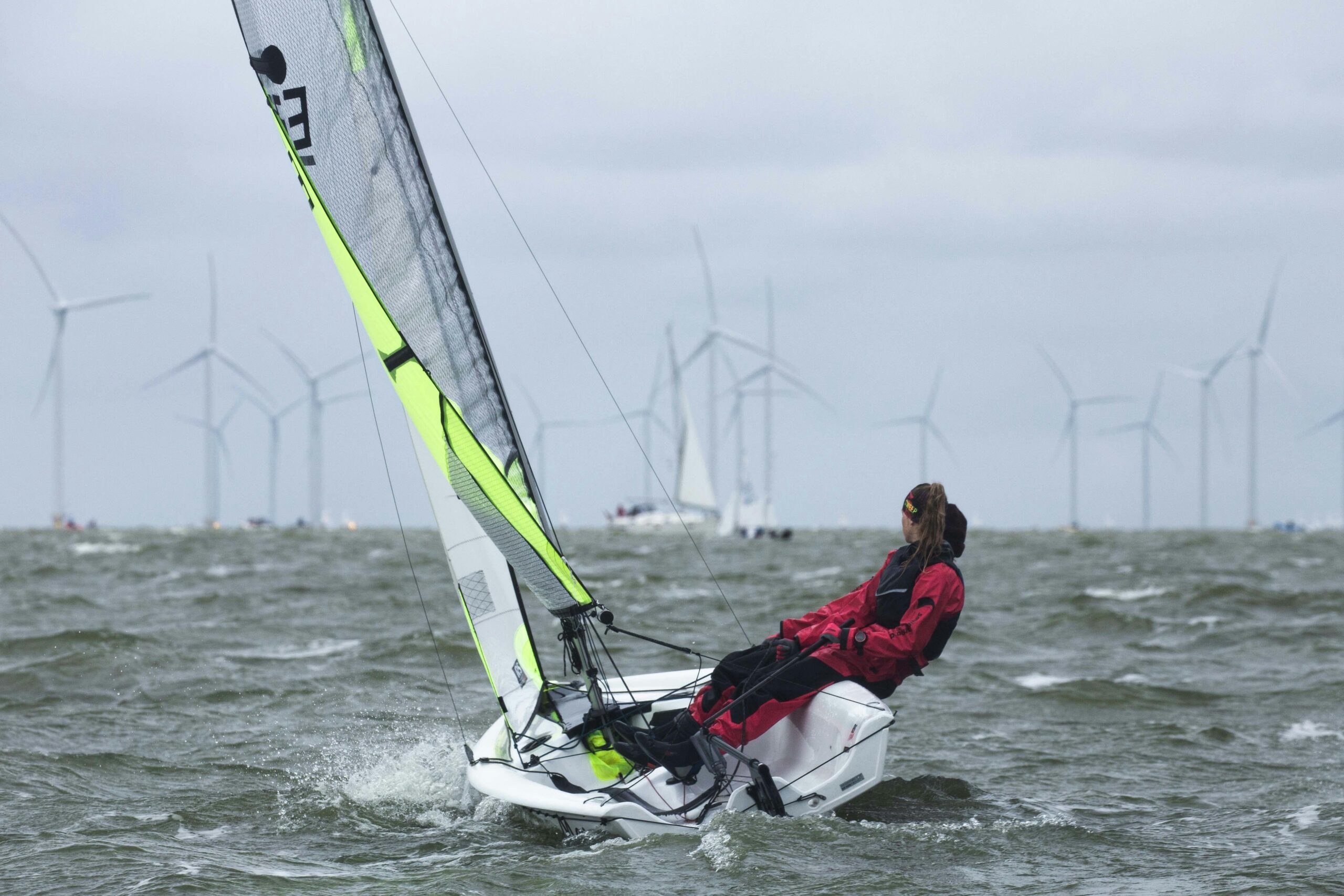
Marine forecasting is entering a new era as climate change reshapes oceanic patterns, challenging scientists and mariners to decode increasingly complex environmental variables.

🌊 The New Reality of Marine Prediction
The ocean has always been unpredictable, but climate change has introduced unprecedented volatility into marine systems. Traditional forecasting models, built on decades of historical data, now face the challenge of accounting for rapidly shifting baselines. Temperature anomalies, altered current patterns, and changing storm intensities require forecasters to continuously adapt their methodologies.
Marine forecasting today demands a multidimensional approach that integrates atmospheric science, oceanography, and climate modeling. The stakes have never been higher, with global shipping routes, fishing industries, coastal communities, and naval operations all depending on accurate predictions. Understanding how climate change variables interact with traditional forecasting parameters is essential for navigating these uncertain waters.
🌡️ Temperature Variables: Beyond Simple Warming
Sea surface temperature is perhaps the most fundamental variable in marine forecasting, but climate change has made this parameter far more complex than a simple warming trend. Ocean temperature now exhibits greater spatial variability, with localized hotspots emerging unexpectedly and persisting for extended periods.
These marine heatwaves can disrupt ecosystems, alter fish migration patterns, and influence atmospheric conditions above the water. Forecasters must now account for not just average temperature increases, but also the frequency and intensity of thermal anomalies. The relationship between surface temperatures and deeper ocean layers has also become less predictable, complicating models that rely on vertical temperature profiles.
Thermocline Dynamics in a Changing Climate
The thermocline, the layer where temperature changes rapidly with depth, is experiencing significant alterations. Climate change is causing this boundary to deepen in some regions and shallow in others, affecting nutrient upwelling and marine biological productivity. For forecasters, understanding these shifts is crucial for predicting not just weather patterns but also ecological conditions that impact fisheries and marine resources.
Advanced satellite technology and autonomous underwater vehicles now provide real-time thermocline data, enabling more sophisticated modeling. However, integrating this information into operational forecasts remains challenging, particularly in data-sparse regions like the Southern Ocean and remote Pacific areas.
🌀 Storm Intensification and Unpredictable Patterns
Climate change has fundamentally altered storm behavior over the oceans. Tropical cyclones are intensifying more rapidly, giving coastal communities and maritime operators less time to prepare. The traditional indicators that forecasters relied upon to predict storm development are becoming less reliable as oceanic heat content increases.
Hurricanes and typhoons now maintain their intensity for longer periods and can rapidly strengthen even in conditions that historically would have caused them to weaken. This phenomenon, known as rapid intensification, poses significant challenges for marine forecasting. Models must now incorporate variables like ocean heat content at depth, not just surface conditions, to accurately predict storm evolution.
Extratropical Transitions and Mid-Latitude Impacts
The interaction between tropical systems and mid-latitude weather patterns has become more complex. As the jet stream exhibits greater meridional flow due to Arctic warming, tropical cyclones can maintain their energy further from the equator, affecting shipping lanes and coastal regions that were previously considered low-risk.
Forecasting these extratropical transitions requires sophisticated ensemble modeling that accounts for multiple possible atmospheric configurations. The uncertainty inherent in these predictions has increased, necessitating broader probability distributions in forecast products.
🔄 Ocean Circulation: The Hidden Driver
Large-scale ocean circulation patterns, including the Atlantic Meridional Overturning Circulation and the Pacific Decadal Oscillation, are experiencing changes that cascade through entire marine systems. These currents distribute heat, nutrients, and marine life across vast distances, making them critical variables in long-range forecasting.
Climate change is altering the strength and stability of these circulation systems. Freshwater influx from melting ice sheets is modifying salinity gradients that drive thermohaline circulation. For marine forecasters, this means that historical relationships between circulation patterns and weather phenomena may no longer hold.
Regional Current Variations
Coastal currents, upwelling zones, and boundary currents are all showing altered behavior. The California Current, the Gulf Stream, and the Kuroshio Current have all exhibited changes in position, strength, and temperature characteristics. These modifications affect not only navigation and fuel consumption for shipping but also fisheries management and search-and-rescue operations.
Forecasting models must now incorporate higher-resolution ocean current data and account for the possibility of abrupt shifts in current behavior. Operational oceanography centers are deploying more sophisticated observation systems, but translating this data into actionable forecasts remains a work in progress.
📊 Data Integration and Technological Solutions
The proliferation of observation platforms has created both opportunities and challenges for marine forecasting. Satellites, autonomous surface vehicles, underwater gliders, and traditional buoy networks generate massive datasets that must be assimilated into forecasting models.
Machine learning and artificial intelligence are increasingly being employed to identify patterns in this data that might elude traditional statistical approaches. Neural networks can detect subtle relationships between climate change variables and forecast outcomes, potentially improving prediction accuracy. However, these techniques require careful validation to ensure they don’t simply reproduce historical biases in new forms.
The Role of Ensemble Forecasting
Given the increased uncertainty introduced by climate change, ensemble forecasting has become essential. Rather than producing a single deterministic forecast, modern systems generate multiple scenarios based on slightly different initial conditions and model parameters. This approach provides forecasters and decision-makers with probability distributions rather than single-point predictions.
Interpreting and communicating ensemble forecasts effectively is a critical skill. Users need to understand not just what is most likely to happen, but also the range of possible outcomes and their associated probabilities. This shift from deterministic to probabilistic forecasting represents a cultural change in how marine weather information is produced and consumed.
🐟 Biological Variables and Ecosystem Forecasting
Marine forecasting is expanding beyond physical variables to include biological and ecological parameters. Climate change is shifting species distributions, altering phenology, and disrupting food webs. Fisheries management increasingly requires forecasts of not just ocean conditions, but also the likely locations and abundances of fish stocks.
Ocean acidification, a direct consequence of increased atmospheric carbon dioxide, affects shell-forming organisms and cascades through marine ecosystems. Forecasting the spatial and temporal patterns of pH changes requires integrating carbon cycle models with physical oceanography. This multidisciplinary approach challenges traditional organizational structures in forecasting centers.
Harmful Algal Bloom Prediction
Harmful algal blooms are increasing in frequency and geographic extent as ocean temperatures rise and nutrient patterns shift. These events can devastate fisheries, contaminate shellfish, and create dead zones. Forecasting bloom development requires understanding the complex interactions between temperature, nutrients, light availability, and species-specific growth characteristics.
Operational HAB forecasting systems are being developed in many coastal regions, integrating satellite ocean color data, numerical models, and field observations. Climate change variables add uncertainty to these predictions, as the environmental windows conducive to bloom formation are expanding and shifting.
⚓ Implications for Maritime Operations
The shipping industry is directly affected by changes in marine forecasting capabilities and uncertainties. Route optimization, fuel consumption, and safety planning all depend on accurate weather and ocean predictions. Climate change is forcing maritime operators to reassess risk tolerance and planning horizons.
Polar routes, previously impassable or prohibitively dangerous, are becoming viable for longer portions of the year. However, the year-to-year variability in ice conditions requires sophisticated seasonal forecasting that accounts for both atmospheric and oceanic factors. The increased accessibility of Arctic waters comes with new hazards, including unpredictable ice movement and limited search-and-rescue infrastructure.
Port Operations and Coastal Infrastructure
Sea level rise, compounded by storm surge and changing wave climates, affects port planning and operations. Forecasting systems must now provide longer-lead-time predictions of coastal flooding risks, requiring integration of climate projections with operational weather forecasts. The boundary between weather forecasting and climate projection is becoming increasingly blurred.
Port authorities need probabilistic forecasts of extreme events over timescales ranging from hours to decades. This requires seamless prediction systems that span traditional disciplinary boundaries, incorporating everything from hourly wave predictions to multi-decadal sea level projections.
🛰️ Advancing Observation and Modeling Capabilities
Investment in observational infrastructure is critical for improving marine forecasting in the climate change era. Next-generation satellites with enhanced resolution and new measurement capabilities are being deployed. The integration of synthetic aperture radar, ocean color sensors, and microwave instruments provides unprecedented views of ocean surface conditions.
In situ observations remain essential, particularly for subsurface measurements that satellites cannot provide. The global array of Argo floats has revolutionized understanding of ocean temperature and salinity structure, but coverage gaps remain in polar regions and marginal seas. Expanding these networks while maintaining long-term continuity is a persistent challenge.
Model Resolution and Computational Demands
Higher-resolution models can better represent small-scale features like eddies and fronts that influence weather patterns and marine conditions. However, the computational cost of running high-resolution coupled atmosphere-ocean models is substantial. Forecasting centers must balance the desire for increased detail with practical constraints on computing resources and processing time.
Cloud computing and distributed processing architectures offer potential solutions, allowing forecasting agencies to access computational power on demand. The transition to these new paradigms requires significant investment in infrastructure and training, but promises more flexible and capable forecasting systems.
🌍 Collaborative Frameworks and Data Sharing
No single nation or institution can adequately monitor and forecast the global ocean. International collaboration in data sharing, model development, and forecast production is essential. Organizations like the World Meteorological Organization and Intergovernmental Oceanographic Commission facilitate these partnerships.
Open data policies and standardized formats enable researchers and operational forecasters to access and utilize observations and model outputs from around the world. However, political considerations, commercial interests, and security concerns sometimes impede data sharing. Navigating these challenges while advancing forecasting capabilities requires diplomatic skill alongside scientific expertise.
🎯 Communicating Uncertainty and Building Trust
As climate change increases forecast uncertainty, communicating this uncertainty effectively becomes paramount. Users of marine forecasts, from ship captains to emergency managers, need to understand both the capabilities and limitations of current prediction systems.
Building and maintaining trust in forecasting services requires transparency about model performance, honest communication about uncertainty, and consistent verification of forecast accuracy. When models fail to predict significant events, post-event analysis and open discussion of what went wrong are essential for improving future performance and maintaining credibility.
Tailoring Forecasts to User Needs
Different users require different types of information presented in different formats. Commercial fishing fleets need multiday forecasts of ocean conditions and fish habitat suitability. Naval operations require high-resolution tactical forecasts. Coastal managers need seasonal outlooks for planning purposes. Developing user-centered forecast products that meet these diverse needs while accurately representing uncertainty is an ongoing challenge.
Engagement with user communities helps forecasters understand how their products are actually used and where improvements would provide the greatest value. This feedback loop is essential for ensuring that advances in scientific understanding translate into practical benefits.

🔮 Looking Toward the Future of Marine Forecasting
The future of marine forecasting lies in integrated Earth system prediction that seamlessly blends weather, ocean, ice, and ecosystem forecasts across timescales from hours to seasons. Artificial intelligence will play an increasing role, but human expertise in interpreting complex situations and communicating with users will remain essential.
Climate change will continue to present new challenges, requiring ongoing investment in observations, models, and human capacity. The forecasting community must remain adaptable, continuously learning from emerging patterns and incorporating new understanding into operational systems.
Ultimately, navigating the unknown waters of a changing climate requires humility about the limits of prediction, creativity in developing new approaches, and commitment to serving the diverse communities that depend on marine forecasts. By unlocking the secrets of climate change variables and integrating them into forecasting systems, we can better prepare for whatever the ocean brings.
The journey ahead is uncertain, but with robust science, technological innovation, and international cooperation, marine forecasting can continue to provide the guidance needed to safely and sustainably use ocean resources in an era of unprecedented change. 🌊