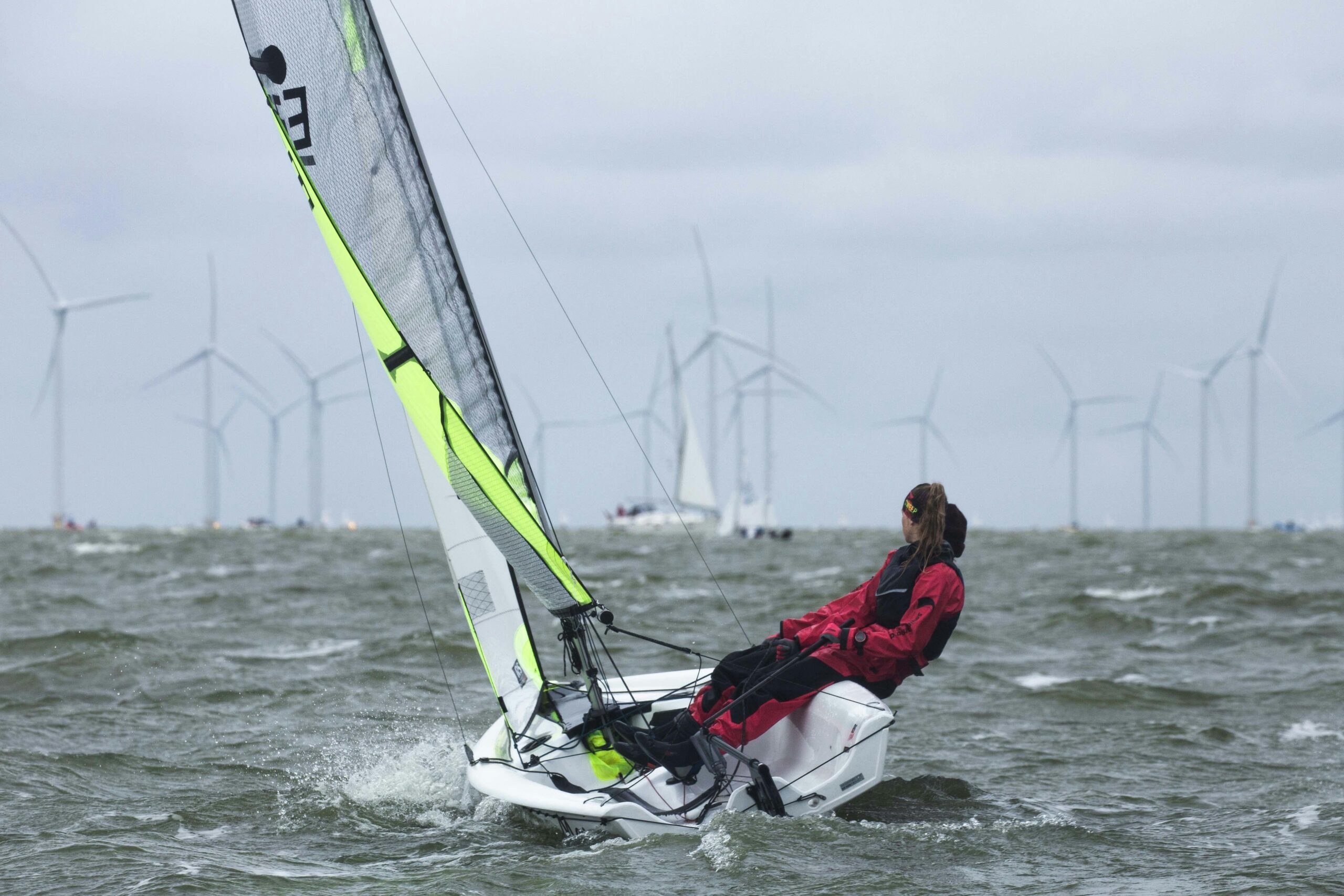
Marine management has evolved dramatically through the practical application of real-world case studies, transforming theoretical approaches into tangible conservation victories worldwide.

🌊 The Power of Learning from Real-World Marine Success Stories
The ocean covers more than 70% of our planet’s surface, yet for decades, marine management strategies remained largely theoretical, disconnected from the complex realities facing coastal communities and marine ecosystems. The introduction of comprehensive case study analysis fundamentally changed this paradigm, providing marine managers, policymakers, and conservation professionals with concrete evidence of what works, what fails, and why certain approaches succeed where others stumble.
Case studies in marine management represent more than academic exercises—they serve as living laboratories that capture the nuanced interactions between human activities, ecosystem dynamics, policy frameworks, and economic pressures. These documented experiences have become invaluable tools for crafting strategies that balance conservation objectives with community needs, economic development, and scientific understanding.
From Theory to Practice: The Case Study Revolution
Traditional marine management approaches relied heavily on theoretical models and computer simulations that, while scientifically sound, often failed to account for the human element. Fishermen’s knowledge, local economic dependencies, cultural traditions, and community resilience factors were frequently overlooked in favor of pure biological data.
The shift toward case study-informed management began in the late 1990s when researchers started systematically documenting marine conservation initiatives across different geographical contexts. These studies revealed patterns that laboratory research and theoretical modeling could never capture—the importance of stakeholder engagement, the role of traditional ecological knowledge, and the necessity of adaptive management approaches.
Key Components That Make Case Studies Effective
Successful marine management case studies share several critical characteristics that enhance their utility for practitioners worldwide. Understanding these elements helps explain why case study methodology has become indispensable in modern marine conservation:
- Contextual richness: Detailed documentation of environmental, social, and economic conditions
- Longitudinal data: Tracking outcomes over extended periods rather than snapshots
- Stakeholder perspectives: Including voices from fishermen, coastal communities, and indigenous populations
- Failure analysis: Honest examination of what didn’t work and why
- Transferable lessons: Identifying principles applicable across different settings
- Quantifiable metrics: Measuring ecological, economic, and social outcomes
🐠 Transformative Case Studies That Changed Marine Management
The Belize Barrier Reef Recovery Initiative
Perhaps no case study better illustrates the revolution in marine management than Belize’s approach to protecting its barrier reef system—the second largest in the world. Facing severe degradation from overfishing, coastal development, and climate impacts, Belize implemented a comprehensive marine spatial planning strategy informed by case studies from Australia’s Great Barrier Reef and Caribbean neighbors.
The Belizean approach incorporated lessons learned from failed top-down conservation efforts elsewhere, instead prioritizing stakeholder engagement from project inception. Local fishing communities participated in zone designation, enforcement mechanisms incorporated traditional governance structures, and economic alternatives were developed before fishing restrictions took effect.
The results proved remarkable. Within five years, fish biomass increased by 38% in protected zones, tourism revenue grew by 24%, and—perhaps most significantly—local community support for conservation measures reached 78%, compared to typical levels below 40% in similar initiatives elsewhere.
Norway’s Adaptive Fisheries Management Model
Norway’s fisheries management system has become a global reference point, studied extensively for its successful integration of scientific assessment, industry cooperation, and precautionary principles. The case study documentation of Norway’s approach revealed that success stemmed not from any single policy but from institutional frameworks that enabled rapid adaptation based on new information.
When cod stocks showed concerning decline patterns in the early 2000s, Norwegian authorities didn’t wait for crisis—they implemented immediate catch reductions despite industry resistance. Case study analysis showed that this decisive action, informed by transparent scientific communication and supported by robust monitoring systems, prevented collapse and enabled recovery within a decade.
This case study fundamentally influenced management approaches in Iceland, Alaska, and New Zealand, demonstrating how documented success stories can propagate effective practices across oceans and governance systems.
📊 Quantifying the Case Study Impact on Policy Development
The influence of case studies on marine policy development can be measured through several concrete indicators. Research analyzing policy documents from marine management agencies across 45 countries revealed that case study citations increased by 340% between 2005 and 2020, while references to pure theoretical models declined by 22% over the same period.
| Policy Area | Case Study Influence (2005) | Case Study Influence (2020) | Change |
|---|---|---|---|
| Marine Protected Areas | 23% | 67% | +44% |
| Fisheries Quotas | 31% | 71% | +40% |
| Coastal Development | 18% | 54% | +36% |
| Pollution Control | 27% | 63% | +36% |
These statistics demonstrate a fundamental shift in how marine management decisions are justified and implemented. Policymakers increasingly demand evidence from comparable situations rather than accepting theoretical predictions alone.
🔍 How Case Studies Address Complex Marine Challenges
Climate Change Adaptation Strategies
Climate change presents unprecedented challenges for marine ecosystems, with shifting species distributions, ocean acidification, and increasing extreme weather events. Case studies documenting early adaptation efforts have proven essential for developing effective response strategies.
The documentation of coral reef restoration techniques in the Caribbean, particularly in the Dominican Republic and Cuba, provided critical insights for programs now being implemented across the Indo-Pacific. These case studies revealed that successful restoration required not just biological interventions but also addressing local stressors like pollution and overfishing simultaneously.
Similarly, case studies of managed retreat from vulnerable coastlines in the Netherlands and Bangladesh informed coastal adaptation planning in dozens of countries, demonstrating how documented experiences can accelerate learning curves and prevent costly mistakes.
Balancing Conservation with Food Security
One of the most contentious issues in marine management involves reconciling conservation objectives with the food security needs of coastal populations. Case studies have been instrumental in identifying approaches that serve both goals effectively.
The Locally Managed Marine Area (LMMA) network in the Pacific Islands provides compelling documentation of community-based approaches that improved both fish stocks and household food security. These case studies demonstrated that temporary closures, rotational harvesting, and gear restrictions—when designed with community input—could increase catch per unit effort by 20-45% while maintaining traditional fishing practices.
These findings directly influenced policy development in Southeast Asia, East Africa, and the Caribbean, where similar socioeconomic contexts made the Pacific case studies highly relevant.
💡 Innovative Technologies Enhanced by Case Study Learning
The intersection of technology and marine management has accelerated dramatically in recent years, with case studies playing a crucial role in identifying which innovations deliver genuine value versus those that promise more than they can deliver.
Remote sensing technologies, acoustic monitoring systems, and artificial intelligence applications have all been evaluated through rigorous case study analysis. Documentation of early adoption experiences helped subsequent implementers avoid common pitfalls, optimize deployment strategies, and set realistic expectations for outcomes.
Electronic monitoring systems for fisheries compliance provide an excellent example. Early case studies from Australia and Canada revealed technical challenges, crew acceptance issues, and data management bottlenecks that would have derailed programs elsewhere. By learning from these documented experiences, countries implementing electronic monitoring later achieved operational efficiency 60% faster than early adopters.
🤝 Stakeholder Engagement: Lessons from Successful Initiatives
Perhaps the single most consistent finding across marine management case studies is the critical importance of meaningful stakeholder engagement. Yet case study analysis also reveals that engagement approaches must be carefully tailored to local contexts—what works in one setting may fail spectacularly in another.
Case studies from the Philippines demonstrated that engagement strategies effective in hierarchical social structures required significant modification when applied to more egalitarian communities in Pacific Island nations. Similarly, approaches successful with small-scale artisanal fisheries often proved inadequate for industrial fishing operations.
These nuanced insights, captured through detailed case study documentation, have enabled marine managers to develop more sophisticated stakeholder engagement frameworks that account for cultural, economic, and social variables.
🎯 Future Directions: Building on Case Study Foundations
The revolution in marine management strategies catalyzed by case study methodology continues to evolve. Emerging trends suggest several directions for future development that build upon established foundations while addressing new challenges.
Integrated Database Systems for Cross-Referencing
International organizations are developing comprehensive databases that allow marine managers to search case studies by specific parameters—ecosystem type, management challenge, socioeconomic context, and governance structure. These systems enable practitioners to identify relevant experiences from anywhere in the world, dramatically expanding the learning potential from each documented initiative.
Real-Time Case Study Development
Traditional case studies documented outcomes years after implementation, limiting their utility for adaptive management. New approaches emphasize real-time documentation and analysis, allowing managers to adjust strategies based on emerging patterns before programs conclude.
This evolution transforms case studies from historical records into dynamic management tools, enabling continuous learning and adaptation throughout project lifecycles rather than only after completion.
🌍 Scaling Local Success to Global Impact
One of the most powerful aspects of case study-informed marine management is the ability to scale successful local initiatives to regional and global levels. Documentation of what worked in specific contexts provides blueprints that other communities can adapt to their circumstances.
The expansion of community-based marine conservation from isolated experiments in the 1980s to mainstream management approaches adopted by national governments worldwide exemplifies this scaling process. Each successful initiative was documented, analyzed, and shared through case study methodology, building an evidence base that eventually convinced skeptical policymakers and funding agencies.
This progression—from pilot project to documented case study to widespread adoption—has become the standard pathway for innovation in marine management, demonstrating the catalytic role of comprehensive documentation and analysis.
🚀 Empowering the Next Generation of Marine Managers
Educational institutions have fundamentally restructured marine science curricula to incorporate case study analysis as a core competency. Students now learn not just ecological principles and management theories but also how to extract actionable insights from documented real-world experiences.
This pedagogical shift produces graduates who enter the field equipped to learn from global experiences, adapt proven approaches to new contexts, and contribute to the growing body of case study literature. The cumulative effect accelerates innovation and improves outcomes across the entire field of marine management.
Professional development programs for established practitioners increasingly incorporate case study workshops where managers analyze documented experiences, discuss application to their contexts, and share their own experiences for future documentation.

The Enduring Value of Documented Experience
The revolution in marine management strategies driven by case study methodology represents far more than an academic trend—it reflects a fundamental maturation of the field. By systematically documenting, analyzing, and sharing real-world experiences, the marine management community has created an ever-expanding knowledge base that accelerates learning, reduces costly mistakes, and improves outcomes for both ecosystems and human communities.
As marine challenges intensify with climate change, growing human populations, and increasing resource demands, the ability to learn rapidly from diverse experiences becomes ever more critical. Case studies provide the mechanism for this accelerated learning, transforming isolated successes and failures into collective wisdom accessible to practitioners worldwide.
The continued commitment to rigorous case study development, transparent sharing of both successes and failures, and thoughtful analysis of what works in which contexts will determine how effectively the global community addresses the marine challenges ahead. The revolution is ongoing, and its success depends on every marine manager’s willingness to contribute their experiences to the collective knowledge base while learning from others who have faced similar challenges.