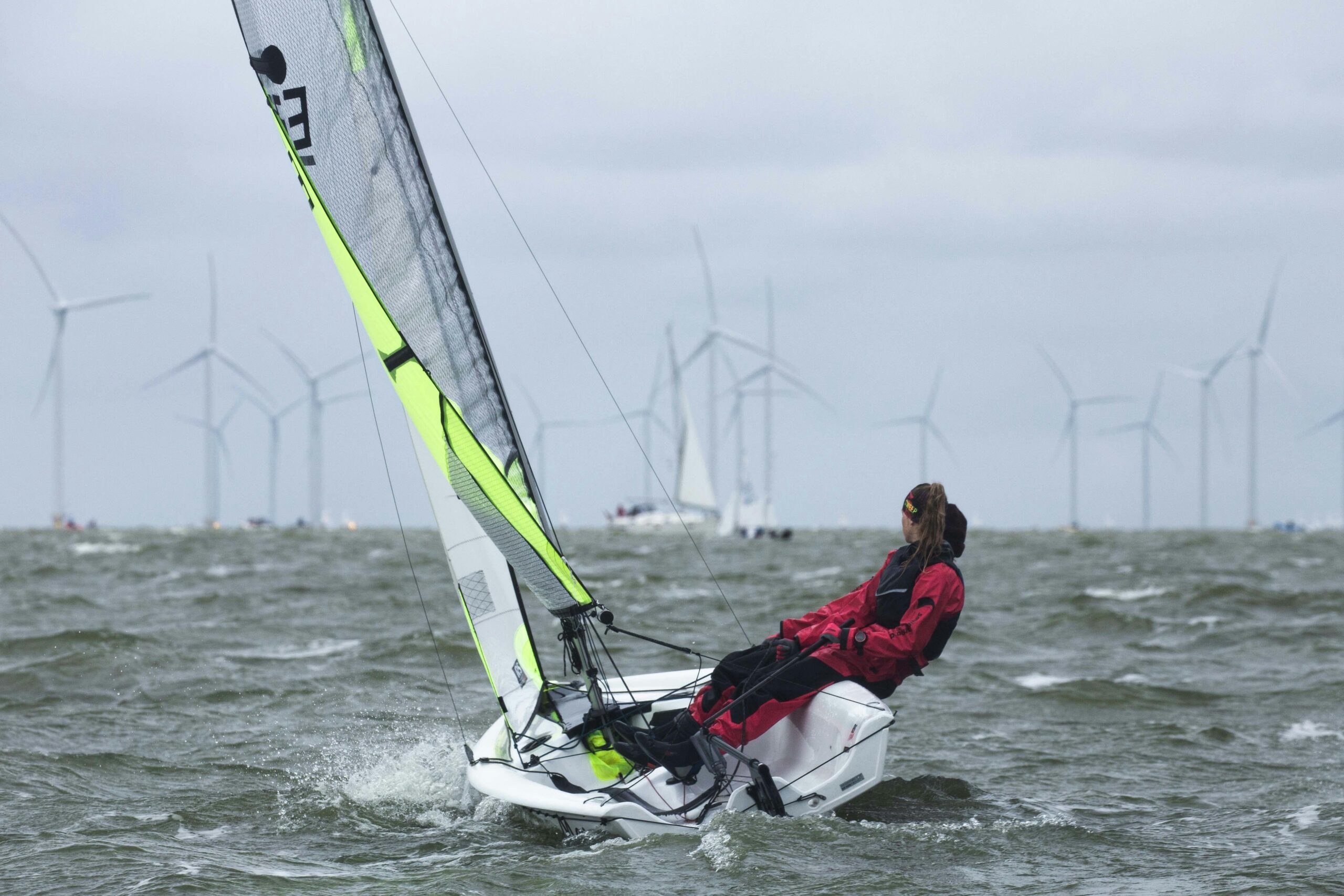
Agent-based modeling is revolutionizing how we understand and manage fishing pressure, offering unprecedented insights into marine ecosystem sustainability and resource management strategies.

🎣 The Urgent Challenge of Modern Fisheries Management
Global fisheries face an existential crisis. With over 34% of fish stocks overfished and another 60% fished to maximum sustainable levels according to the Food and Agriculture Organization, the maritime industry desperately needs innovative solutions. Traditional management approaches often fall short because they fail to capture the complex interactions between individual fishers, fish populations, and environmental conditions.
This is where agent-based modeling enters the picture as a transformative tool. By simulating individual behaviors and their collective impacts, these computational models provide fisheries managers with a virtual laboratory to test policies before implementing them in the real world. The stakes couldn’t be higher—not just for marine biodiversity, but for the 3 billion people who depend on fish as their primary protein source.
Understanding Agent-based Modeling in Fisheries Context
Agent-based models (ABMs) represent a paradigm shift from traditional top-down modeling approaches. Instead of treating fishing fleets as homogeneous entities, ABMs recognize that each fishing vessel operates as an independent decision-maker with unique goals, constraints, and adaptive strategies.
These models simulate how individual agents—whether fishing vessels, fish schools, or management authorities—interact with each other and their environment over time. Each agent follows programmed rules based on real-world behaviors, creating emergent patterns that reflect actual ecosystem dynamics.
Key Components of Fisheries ABMs
A robust agent-based model for fishing scenarios typically includes several interconnected elements that work together to create realistic simulations:
- Fisher agents: Individual vessels or fishing operations with unique characteristics, economic objectives, and decision-making processes
- Fish population dynamics: Age-structured populations with reproduction, growth, and mortality rates influenced by environmental factors
- Spatial environment: Geographic representation of fishing grounds, including bathymetry, habitat types, and protected areas
- Economic variables: Fuel costs, fish prices, operational expenses, and market dynamics
- Regulatory framework: Quotas, seasonal closures, gear restrictions, and enforcement mechanisms
- Environmental variability: Climate patterns, ocean currents, and seasonal changes affecting fish distribution
🌊 How ABMs Capture Fishing Pressure Dynamics
Fishing pressure isn’t simply a matter of how many boats are on the water. It’s a complex phenomenon shaped by where fishers choose to operate, what gear they use, how long they fish, and how they respond to changing conditions and regulations.
Agent-based models excel at capturing this complexity because they simulate the adaptive behavior of fishers. When a fishing ground becomes depleted, model agents can search for new locations. When regulations change, they adjust strategies. When fuel prices spike, they optimize trip distances. These micro-level decisions aggregate into macro-level patterns that determine overall fishing pressure.
Spatial Distribution of Fishing Effort
One of the most powerful applications of ABMs is understanding how fishing effort distributes across marine spaces. Traditional models often assume uniform fishing pressure, but reality is far messier. Fishers cluster around productive grounds, avoid areas with high competition, and constantly adapt to new information.
Agent-based models can simulate these spatial dynamics with remarkable precision. By incorporating factors like travel costs, expected catch rates, and social information exchange among fishers, these models predict hotspots of fishing pressure and identify areas at risk of overexploitation.
Building Sustainable Fishing Scenarios Through Simulation
The true power of agent-based modeling lies in its ability to test “what-if” scenarios before committing to real-world policy changes. Fisheries managers can explore dozens of management strategies virtually, comparing outcomes in terms of stock sustainability, economic viability, and social equity.
Consider a scenario where managers want to establish a new marine protected area. An ABM can simulate how fishers might respond—will they simply redistribute effort to adjacent areas, potentially creating new pressure points? Will the protected area generate spillover benefits? How will different vessel types be affected economically?
Scenario Planning for Climate Change Adaptation
Climate change adds another layer of complexity to fisheries management. As ocean temperatures rise and currents shift, fish populations migrate to new areas. Agent-based models can incorporate these environmental changes and simulate how fishing fleets adapt to shifting resources.
These climate-integrated ABMs help identify which fishing communities are most vulnerable to changing conditions and which management strategies maintain sustainability under various climate futures. This forward-looking capability is invaluable for long-term planning.
⚙️ Technical Foundations of Fisheries ABMs
Developing an effective agent-based model requires careful consideration of computational architecture, data requirements, and validation approaches. The modeling platform must balance biological realism, behavioral accuracy, and computational efficiency.
Common Modeling Platforms and Tools
Several software platforms have emerged as industry standards for developing fisheries ABMs. NetLogo offers an accessible entry point with its user-friendly interface and extensive library of example models. More advanced users often turn to Python-based frameworks like Mesa or specialized platforms like Repast.
Each platform offers distinct advantages. NetLogo’s visual programming environment accelerates prototyping, while Python frameworks provide greater flexibility for complex algorithms and integration with existing data analysis workflows. The choice depends on project requirements, team expertise, and desired model complexity.
Data Requirements and Calibration Challenges
Agent-based models are data-hungry. They require information on fish population structure, fisher behavior patterns, economic variables, and environmental conditions. Fortunately, modern fisheries increasingly collect detailed data through vessel monitoring systems, electronic logbooks, and observer programs.
The calibration process involves adjusting model parameters until simulated patterns match real-world observations. This typically involves comparing modeled fishing effort distribution, catch composition, and fleet economic performance against historical data. Statistical techniques like pattern-oriented modeling help ensure models capture multiple aspects of system behavior simultaneously.
🎯 Real-world Applications Driving Conservation Success
Agent-based models aren’t just academic exercises—they’re actively shaping fisheries policy around the world. From the North Sea to the Pacific Islands, these models inform decisions affecting millions of people and billions of dollars in economic activity.
Case Study: European Demersal Fisheries
European researchers developed sophisticated ABMs to evaluate discard ban policies in bottom trawl fisheries. By simulating how different vessel types respond to regulations prohibiting the discarding of unwanted catch, models revealed unintended consequences that purely biological models missed.
The models showed that without adequate landing infrastructure and quota flexibility, discard bans could create economic hardship for small-scale operators while barely improving conservation outcomes. These insights led to policy refinements that better balanced conservation goals with economic realities.
Pacific Small-scale Fisheries Management
In Pacific Island nations, where small-scale fisheries provide essential food security, ABMs help design community-based management systems. Models simulate how traditional practices like periodic closures and gear restrictions interact with modern pressures like population growth and market integration.
These culturally-informed models demonstrate that traditional management systems often embody sophisticated adaptive strategies. By validating traditional practices through simulation, ABMs strengthen community confidence in local management while identifying areas where additional interventions may be needed.
Integrating Economic Behavior Into Ecological Models
Fish don’t exist in isolation from human economic systems. Fisher decisions are fundamentally economic—they fish where profit margins justify fuel costs and labor investments. Realistic ABMs must therefore integrate economic decision-making with ecological processes.
This integration requires modeling how fishers form expectations about catch rates, how they weigh risk against reward, and how they respond to market price fluctuations. Behavioral economics research suggests that fishers don’t always act as purely rational profit-maximizers—they also consider tradition, social reputation, and risk aversion.
Revenue Optimization Versus Sustainability
One particularly valuable application of economically-informed ABMs is exploring the tension between short-term revenue optimization and long-term sustainability. Models can simulate scenarios where individual profit-seeking behavior leads to collective resource depletion—the classic tragedy of the commons.
By making these dynamics explicit, models help identify management interventions that align individual economic incentives with collective conservation goals. Rights-based management systems, for example, can be tested virtually to ensure they generate both economic efficiency and sustainable harvest levels.
🔬 Validation and Uncertainty Management
No model perfectly represents reality, and acknowledging uncertainty is crucial for responsible application of ABMs in fisheries management. Validation processes ensure models are “fit for purpose” rather than pursuing unattainable perfect accuracy.
Multiple validation approaches strengthen confidence in model insights. Historical validation compares model hindcasts against known outcomes. Cross-validation tests model predictions against withheld data. Sensitivity analysis identifies which parameters most strongly influence results, highlighting areas where better data collection would improve model reliability.
Communicating Model Uncertainty to Stakeholders
Fisheries managers and stakeholders need to understand both what models tell us and what they don’t. Effective ABM applications communicate uncertainty transparently, presenting multiple scenarios rather than single predictions.
Ensemble modeling approaches run multiple model versions with different parameter sets, generating probability distributions of outcomes rather than point predictions. This probabilistic framing helps managers make risk-informed decisions that acknowledge inherent unpredictability in complex systems.
🚀 Future Horizons: AI-Enhanced Agent Modeling
The frontier of agent-based modeling increasingly incorporates artificial intelligence and machine learning techniques. These technologies enhance models in several ways, from improving behavioral realism to accelerating computation.
Machine learning algorithms can extract behavioral rules from large datasets of vessel tracking information, creating more realistic fisher agents. Reinforcement learning allows model agents to develop adaptive strategies through simulated experience, potentially revealing management responses that human modelers might not anticipate.
Real-time Adaptive Management Systems
Looking ahead, agent-based models may transition from planning tools to operational management systems. By continuously assimilating real-time data streams—vessel positions, oceanographic conditions, stock assessment updates—ABMs could provide dynamic management recommendations that adapt to changing conditions.
This vision of adaptive management systems remains partly aspirational, but pilot projects are already demonstrating feasibility. As computational power increases and data collection improves, the gap between model and reality continues to narrow.
Participatory Modeling: Engaging Fishing Communities
The most successful applications of agent-based modeling involve fishing communities throughout the modeling process. Participatory approaches engage fishers in model development, incorporating their knowledge about behavior patterns, environmental conditions, and practical constraints.
This engagement serves multiple purposes. It improves model accuracy by incorporating expert local knowledge. It builds community ownership of management decisions informed by models. And it creates opportunities for dialogue between scientists, managers, and stakeholders that transcend technical modeling details.
Workshops where stakeholders interact with models, adjusting parameters and observing outcomes, can be particularly transformative. These interactive sessions help all parties understand trade-offs and constraints, often revealing common ground where conflicts initially seemed intractable.
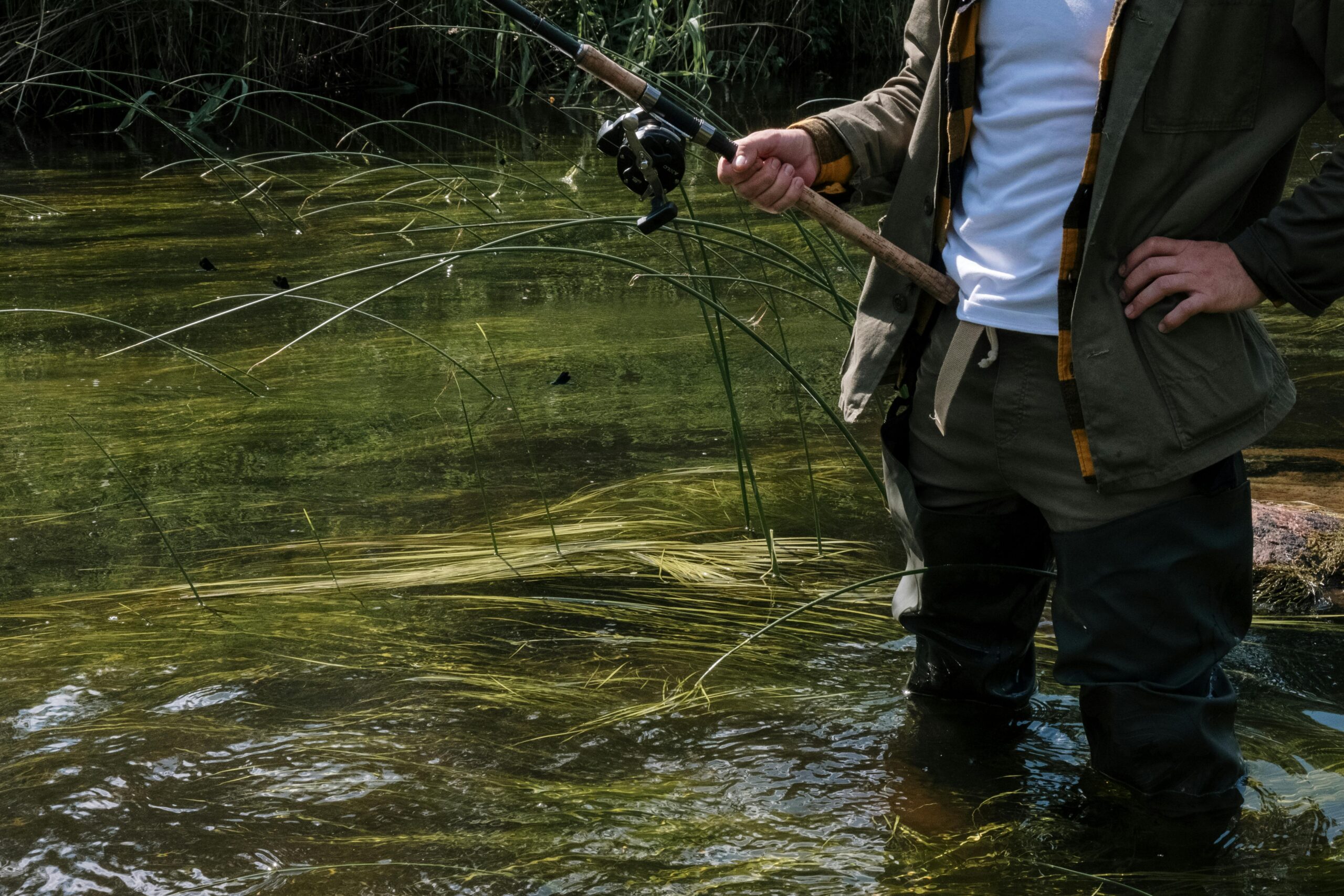
💡 Charting the Course Toward Resilient Fisheries
Agent-based modeling represents more than just a technical advancement—it embodies a fundamental shift in how we approach fisheries management. By recognizing the agency of individual fishers and the complexity of their decision-making, these models acknowledge that sustainable fisheries require working with human behavior rather than against it.
The power of ABMs lies in their ability to integrate multiple dimensions of fisheries systems: biology, economics, social dynamics, spatial patterns, and environmental variability. This holistic perspective is essential for designing management systems that are not only ecologically sound but also economically viable and socially acceptable.
As global fisheries face mounting pressures from climate change, population growth, and market globalization, the need for sophisticated management tools has never been greater. Agent-based models offer a pathway forward—not as crystal balls predicting the future, but as laboratories for exploring possibilities and testing solutions before committing scarce resources.
Success in fisheries management ultimately depends on balancing diverse objectives: maintaining healthy fish populations, supporting coastal livelihoods, ensuring food security, and preserving marine ecosystems for future generations. Agent-based modeling helps navigate these trade-offs by making their consequences explicit and exploring creative solutions that might otherwise remain hidden.
The journey toward truly sustainable fisheries is complex and ongoing, but agent-based modeling provides a powerful compass for navigation. By harnessing these tools while remaining mindful of their limitations, we can work toward a future where both people and oceans thrive together.