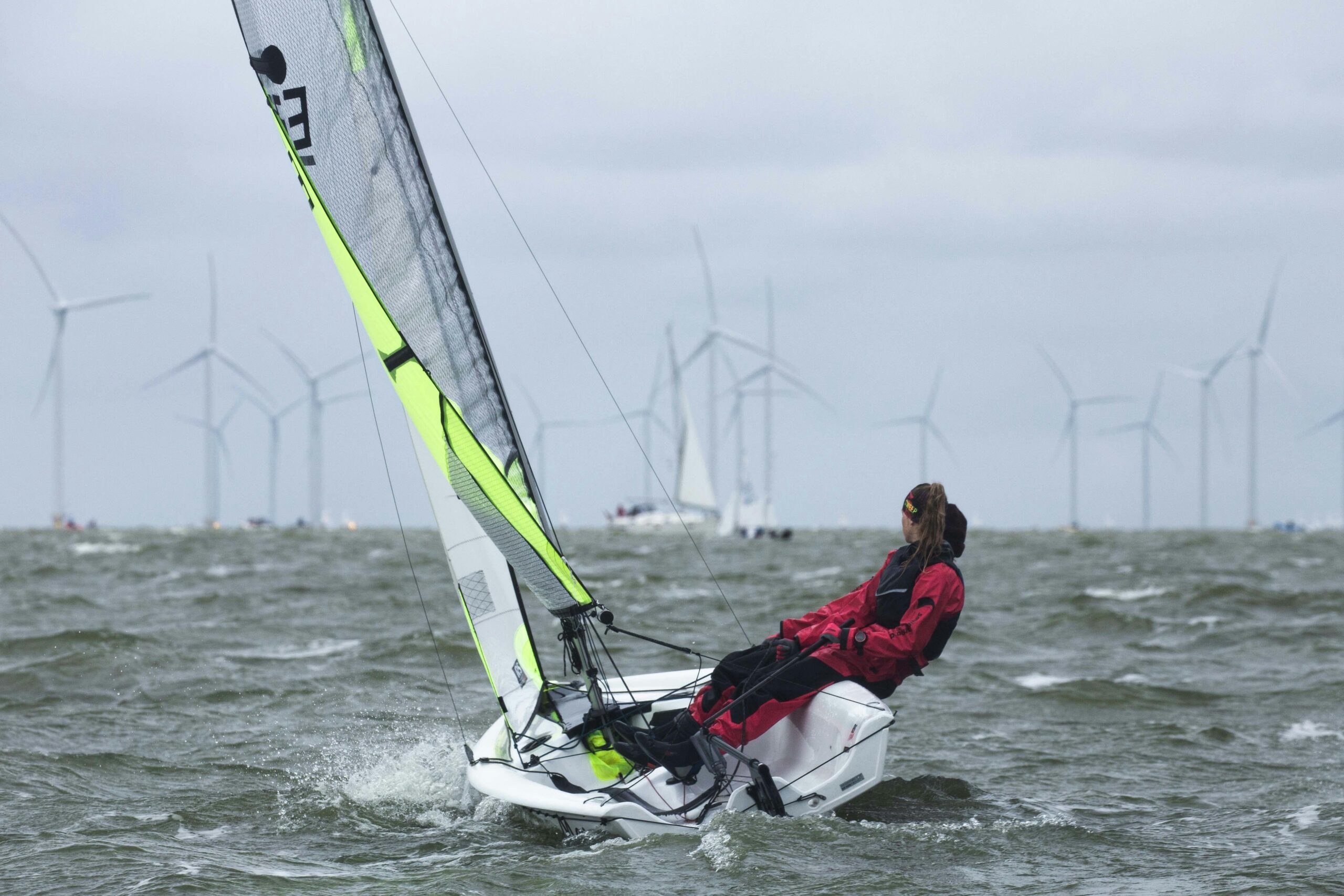
Coastal communities worldwide hold untapped economic and environmental potential, yet bureaucratic delays often stifle innovation. Fast-tracking micro-projects through smart policy reforms can transform these regions sustainably.

🌊 Why Coastal Micro-Projects Matter More Than Ever
Coastal zones represent some of the most economically productive yet environmentally vulnerable areas on our planet. These regions host approximately 40% of the global population within 100 kilometers of shorelines, generating substantial economic activity through tourism, fisheries, aquaculture, and maritime commerce. However, traditional large-scale development projects often prove too cumbersome, expensive, and environmentally disruptive for addressing localized coastal challenges.
Micro-projects—small-scale interventions typically requiring modest investment and shorter implementation timelines—offer a nimble alternative. These initiatives might include community-managed beach restoration, small-scale renewable energy installations, boutique eco-tourism facilities, artisanal fishery improvements, or coastal pollution monitoring systems. Their modular nature allows for rapid deployment, adaptive management, and meaningful community participation.
The challenge lies not in identifying worthwhile projects but in navigating the policy landscape that governs coastal development. Regulatory frameworks designed for large infrastructure often create disproportionate barriers for smaller initiatives, requiring the same exhaustive environmental assessments, permitting processes, and compliance documentation regardless of project scale or impact.
🚧 Current Regulatory Bottlenecks Strangling Innovation
The path from concept to implementation for coastal micro-projects typically encounters multiple regulatory obstacles. Environmental impact assessments designed for major construction projects may take 12-18 months to complete, consuming budgets that exceed the entire cost of micro-initiatives. Multiple agency approvals—spanning environmental protection, maritime authorities, local planning departments, and sometimes national security agencies—create approval chains that discourage entrepreneurship.
Zoning regulations often lack nuance for distinguishing between intensive development and low-impact micro-projects. A small solar installation for a fishing cooperative might face the same restrictions as a major resort development. Financing mechanisms similarly favor large-scale projects, with institutional lenders lacking frameworks for evaluating and supporting micro-initiatives despite their often superior community benefits and environmental profiles.
Insurance and liability frameworks compound these challenges. Coastal zones carry inherent risks from storms, erosion, and sea-level rise, yet insurance products typically don’t accommodate the risk profiles of small, adaptive projects. This creates a paradox where flexible, experimental approaches that could build coastal resilience face prohibitive insurance costs or complete unavailability of coverage.
⚡ Streamlined Permitting: The Foundation of Policy Reform
Creating expedited permitting pathways represents the most immediate policy enabler for coastal micro-projects. Tiered regulatory systems that categorize projects by scale, impact, and location can dramatically reduce approval timelines without compromising environmental protection. Projects below certain thresholds—perhaps $100,000 in investment or affecting less than 0.5 hectares—could qualify for simplified review processes.
Several jurisdictions have pioneered such approaches. New Zealand’s Resource Management Act reforms introduced fast-track consenting for projects meeting sustainability criteria, reducing approval times from years to months. Portugal’s simplified licensing regime for small renewable energy projects has catalyzed coastal wind and solar installations by eliminating redundant assessments while maintaining environmental safeguards.
Digital transformation of permitting systems offers additional acceleration opportunities. Online portals with clear checklists, automated preliminary assessments, and transparent status tracking reduce confusion and informal barriers. Geographic information systems can pre-identify suitable zones for different project types, guiding applicants toward locations with streamlined approval potential while steering them away from sensitive areas.
Essential Elements of Effective Fast-Track Permitting
Successful streamlined permitting systems share several characteristics. Clear eligibility criteria prevent ambiguity about which projects qualify for expedited review. Defined timelines with statutory deadlines prevent indefinite bureaucratic delays—if agencies don’t respond within specified periods, applications might receive conditional approval or escalate to senior decision-makers.
Integrated review processes consolidate multiple agency approvals into coordinated assessments, eliminating sequential reviews that extend timelines unnecessarily. A lead agency coordinates input from other departments, presenting applicants with unified feedback rather than contradictory requirements from different authorities.
Pre-approved designs and standardized approaches for common project types further accelerate implementation. Communities installing proven beach access improvements or renewable energy systems shouldn’t reinvent regulatory wheels—certified designs with pre-assessed environmental impacts can receive near-automatic approval when properly sited.
💰 Financial Mechanisms That Match Micro-Project Reality
Traditional financing structures often prove incompatible with micro-project economics. Banks hesitate to process loans under $50,000 due to underwriting costs, while equity investors seek scalability that small coastal initiatives cannot provide. Policy reforms must address this financing gap through targeted mechanisms.
Microcredit programs adapted for coastal enterprises represent one solution. Bangladesh’s Grameen Bank model has been successfully applied to coastal aquaculture and small-scale fishing operations, with group lending reducing default risk while building community accountability. Government-backed loan guarantees can encourage commercial lenders to serve this market segment by mitigating perceived risks.
Revolving funds specifically designated for coastal micro-projects create self-sustaining financing ecosystems. Initial public or philanthropic capitalization establishes the fund, which then makes below-market loans to qualifying projects. As projects generate returns and repay loans, capital recycles to support additional initiatives, multiplying initial investments over time.
Crowdfunding platforms have emerged as alternatives for community-supported coastal projects. Regulatory frameworks that facilitate securities crowdfunding while protecting investors enable local communities to directly finance initiatives they value. This approach particularly suits projects with strong local support but insufficient collateral for traditional financing.
Tax Incentives and Grant Programs
Strategic tax policies can significantly improve micro-project viability. Reduced or eliminated property taxes for coastal conservation projects acknowledge their public benefits. Value-added tax exemptions for materials used in beach restoration or renewable energy installations lower implementation costs. Accelerated depreciation schedules for coastal adaptation infrastructure improve financial returns.
Competitive grant programs offer non-dilutive capital particularly valuable for projects with strong environmental or social outcomes but limited revenue generation. Effective grant programs feature simplified application processes, rapid decision cycles, and flexible spending categories that accommodate the realities of coastal work where weather and environmental conditions may require adaptive implementation.
🤝 Community Participation as Policy Cornerstone
Coastal micro-projects succeed when local communities drive them rather than external actors imposing solutions. Policy frameworks should explicitly empower community participation through formal co-management structures, resource rights recognition, and participatory planning processes.
Traditional and indigenous coastal communities often possess deep ecological knowledge and proven resource management practices. Legal recognition of customary marine tenure and community-based management rights provides foundations for micro-projects that align with local values and ecological understanding. The Philippines’ municipal water framework and Chile’s territorial use rights for fisheries demonstrate how formal recognition enables community-led initiatives.
Participatory budgeting processes allow coastal communities to directly allocate portions of municipal or regional development funds. Porto Alegre’s pioneering model has been adapted to coastal contexts in places like Recife, Brazil, where communities prioritize investments in beach improvements, fishing infrastructure, and coastal protection based on local knowledge and needs.
Capacity building initiatives ensure communities can effectively engage in project development. Training in project design, financial management, environmental monitoring, and regulatory compliance transforms communities from passive beneficiaries into active developers. Mobile training programs and peer-learning networks distribute expertise efficiently across dispersed coastal populations.
📊 Environmental Safeguards Without Bureaucratic Paralysis
Accelerated approval processes must maintain rigorous environmental protection—the goal is eliminating unnecessary delays, not compromising ecological integrity. Properly designed policies achieve both objectives through risk-based assessment, strategic environmental planning, and adaptive management frameworks.
Strategic environmental assessments conducted at regional or coastal zone levels identify sensitive areas, cumulative impact thresholds, and appropriate development zones before individual projects emerge. This front-loaded environmental planning allows micro-projects in pre-assessed suitable areas to proceed rapidly with simplified site-specific review, while directing intensive scrutiny toward genuinely sensitive locations.
Environmental checklists tailored to common micro-project types enable rapid preliminary screening. A small-scale beach access project might require verification of no protected species nesting sites, acceptable erosion risk, and adequate parking rather than comprehensive biological surveys appropriate for major developments. Negative declarations—formal determinations that projects require no further environmental review—accelerate low-impact initiatives.
Real-time environmental monitoring using modern technology provides ongoing safeguards replacing exhaustive pre-approval assessments. Sensor networks tracking water quality, wildlife populations, and coastal erosion detect actual impacts from implemented projects, triggering adaptive responses if thresholds are exceeded. This approach manages environmental risk through responsive monitoring rather than attempting perfect prediction.
Building Climate Resilience Through Micro-Interventions
Coastal micro-projects represent crucial tools for climate adaptation, yet climate considerations often complicate rather than inform permitting decisions. Forward-looking policies integrate climate resilience as project evaluation criteria rather than additional barriers.
Nature-based solutions—living shorelines, mangrove restoration, coral reef rehabilitation, dune stabilization—typically qualify as low-impact micro-projects with exceptional climate adaptation benefits. Expedited approval pathways specifically for nature-based coastal defense incentivize these approaches over conventional hard infrastructure while contributing to biodiversity and carbon sequestration goals.
Flexible design standards that accommodate sea-level rise projections and increasing storm intensity prevent micro-projects from becoming future liabilities. Rather than prohibiting coastal development, smart policies require adaptive designs—elevated structures, relocatable components, or planned retreat strategies—that acknowledge climate uncertainty.
🔧 Technology Integration for Policy Implementation
Digital tools transform policy frameworks from paper aspirations to practical implementation. Geographic information systems, remote sensing, automated permitting platforms, and blockchain-based registries enhance transparency, reduce corruption opportunities, and accelerate decision-making.
Satellite imagery and drone surveys enable rapid environmental baseline assessments without expensive field campaigns. Machine learning algorithms can pre-screen project proposals against eligibility criteria, flagging issues for human review while fast-tracking clearly compliant applications. Digital twin models of coastal zones allow virtual testing of proposed interventions before physical implementation.
Blockchain registries create immutable records of permits, property rights, and environmental compliance, reducing documentation requirements and ownership disputes that delay projects. Smart contracts can automate permit renewals and fee payments, eliminating administrative friction while ensuring ongoing compliance.
Open data policies maximize these technological benefits. Public access to coastal zone mapping, environmental monitoring data, and permit databases empowers communities and entrepreneurs to identify opportunities, self-assess feasibility, and develop proposals aligned with regulatory frameworks before formal applications.
🌍 Learning From Global Policy Innovations
International experience offers valuable lessons for jurisdictions designing coastal micro-project policies. Costa Rica’s Payment for Ecosystem Services program compensates coastal landowners for conservation and restoration activities, funding micro-projects through water fees and tourism taxes. This self-financing mechanism has protected critical coastal ecosystems while supporting local livelihoods.
Scotland’s Community Empowerment Act grants communities right of first refusal on coastal land and asset purchases, enabling community ownership of harbors, beaches, and marine resources. This legal framework has catalyzed micro-enterprises in remote coastal areas previously dominated by absentee ownership.
Australia’s Indigenous Protected Areas program recognizes Aboriginal communities as coastal managers, providing funding and technical support for conservation and sustainable use micro-projects aligned with traditional practices. This approach achieves conservation outcomes while addressing social equity and cultural preservation.
The Netherlands’ Room for the River initiative demonstrates how ambitious coastal adaptation can incorporate micro-project opportunities. Rather than solely relying on massive infrastructure, the program created spaces for community-scale initiatives—floating homes, amphibious agriculture, wetland restoration—within an integrated flood management strategy.
🎯 Measuring Success and Adaptive Policy Refinement
Effective policy frameworks include monitoring and evaluation mechanisms that track outcomes and enable continuous improvement. Key performance indicators should encompass processing times, project completion rates, economic impacts, environmental outcomes, and community satisfaction.
Baseline establishment before policy implementation allows measurement of actual changes. If average micro-project approval previously required 18 months, streamlined processes should demonstrably reduce this timeline. Economic indicators might track investment leveraged, jobs created, and revenue generated per policy dollar spent.
Environmental monitoring verifies that expedited processes maintain ecological protection. Comparing environmental outcomes between fast-tracked micro-projects and traditionally approved initiatives tests whether streamlined review compromises safeguards. Negative findings should trigger policy adjustments rather than abandonment of acceleration principles.
Regular stakeholder consultations capture qualitative insights that quantitative metrics miss. Community members, project developers, regulatory staff, and environmental advocates offer perspectives on policy effectiveness and implementation challenges. Participatory evaluation builds trust and surfaces practical improvements.
🚀 From Policy to Practice: Implementation Roadmap
Translating policy reforms into tangible coastal transformation requires systematic implementation. Initial pilot programs in selected coastal zones allow testing and refinement before full-scale rollout. Choosing diverse pilot locations—varying in geography, economic base, and community characteristics—generates broadly applicable insights.
Legislative amendments provide legal foundations for expedited processes, but administrative regulations determine practical functionality. Detailed guidelines specifying eligibility criteria, documentation requirements, and decision timelines prevent implementation drift from legislative intent. Regular updates based on operational experience keep regulations current.
Capacity development for regulatory agencies ensures staff can effectively implement new frameworks. Training on expedited review techniques, community engagement methods, and adaptive management approaches builds skills. Adequate staffing and technology resources prevent good policies from failing through under-resourced implementation.
Public awareness campaigns inform potential project developers about new opportunities and processes. Outreach specifically targeting coastal communities, small entrepreneurs, and environmental organizations ensures those most likely to benefit understand how to access streamlined pathways. Technical assistance programs help navigate remaining complexities.

🌟 Catalyzing Coastal Transformation Through Smart Policy
The coastal regions of our planet face simultaneous challenges from climate change, biodiversity loss, economic marginalization, and demographic pressure. Large-scale solutions remain important, but nimble micro-projects offer complementary approaches that engage communities, adapt to local conditions, and accumulate into transformative impacts.
Policy frameworks designed for industrial-era development often obstruct rather than enable these promising initiatives. By streamlining permitting, aligning financing mechanisms, empowering communities, maintaining environmental integrity, and leveraging technology, governments can unlock coastal potential previously trapped behind bureaucratic barriers.
The urgency of coastal challenges demands policy courage—willingness to reform entrenched processes, experiment with innovative approaches, and trust communities as development partners. Evidence from pioneering jurisdictions demonstrates that thoughtfully designed fast-track policies accelerate beneficial projects without compromising protections.
Success requires balancing multiple objectives: environmental sustainability, economic opportunity, social equity, and administrative efficiency. This balance is achievable through risk-based regulation that concentrates scrutiny where truly needed while removing obstacles from low-impact initiatives with positive outcomes.
As sea levels rise and coastal populations grow, the window for building resilient, prosperous coastal communities narrows. Micro-projects implemented quickly and strategically can strengthen natural defenses, diversify local economies, and enhance community capacity before crises overwhelm reactive responses. The policy enablers discussed here provide pathways from potential to reality.
Coastal transformation won’t emerge from policies alone—committed communities, innovative entrepreneurs, supportive financial institutions, and responsive governments must collaborate. But removing policy barriers represents the essential first step, creating space for creativity, initiative, and local knowledge to flourish. The coastal potential waiting to be unlocked is immense; the policy keys are within reach. ⚓