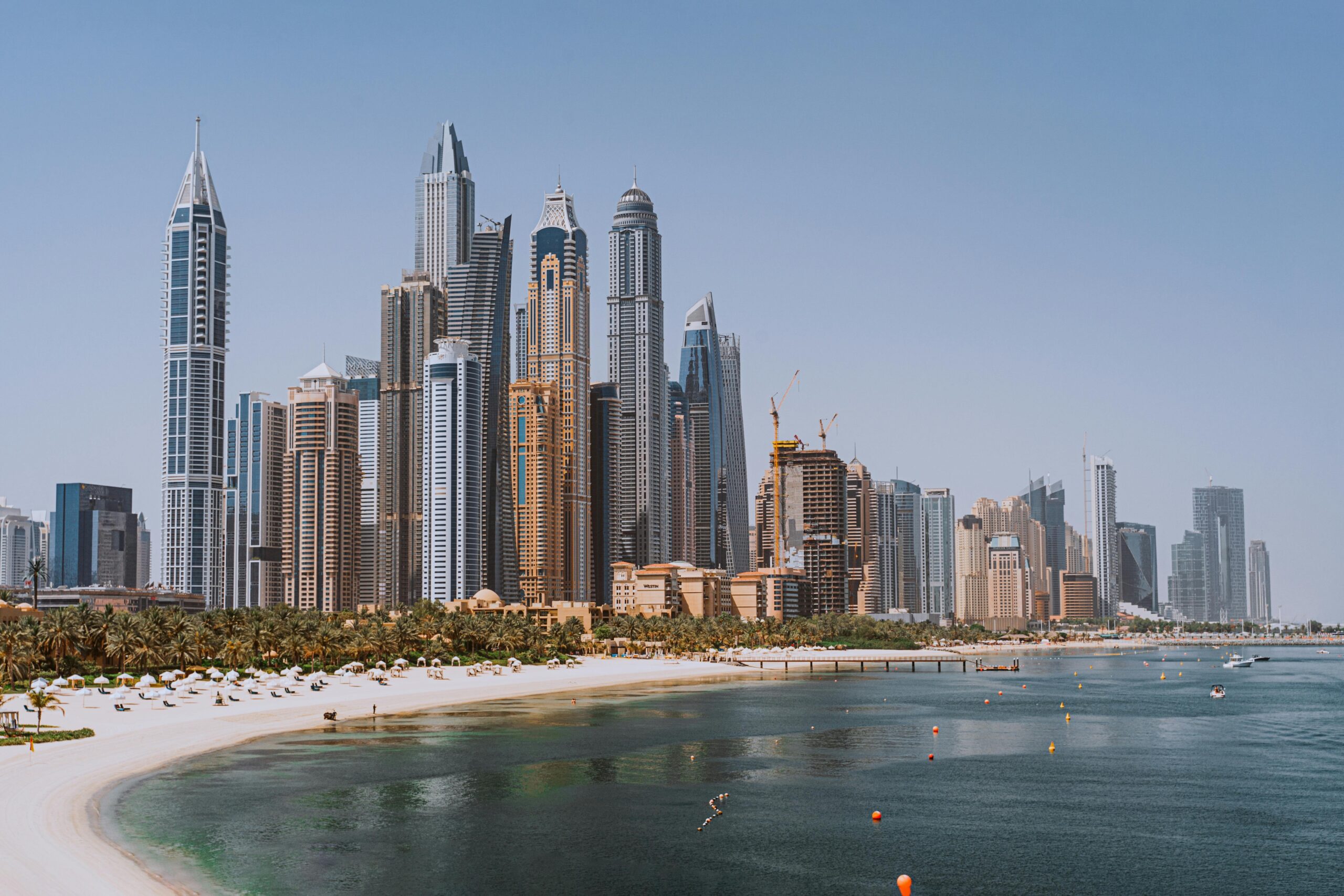
Coastal communities worldwide are turning to small-scale, innovative solutions to combat rising temperatures and climate challenges threatening their way of life.

🌊 Why Coastal Towns Are Feeling the Heat More Than Ever
Coastal regions have always experienced unique weather patterns, but recent years have brought unprecedented heat challenges. Rising global temperatures combined with urban heat island effects have created conditions that traditional cooling infrastructure simply can’t handle. These communities face a double threat: increasing air temperatures and warming ocean waters that no longer provide the cooling relief they once did.
The statistics paint a sobering picture. Coastal towns have recorded temperature increases 20-30% higher than inland areas over the past decade. Heat-related hospital admissions have tripled in some seaside communities, while energy costs for cooling have become unsustainable for many residents. The tourism industry—a lifeline for many coastal economies—has begun showing signs of stress as visitors seek cooler destinations during peak summer months.
Traditional solutions like large-scale air conditioning systems and massive infrastructure projects come with prohibitive costs and environmental consequences. Many coastal towns lack the budgets, space, or technical resources for such undertakings. This reality has sparked a remarkable wave of creativity, with communities developing micro-solutions that are affordable, sustainable, and surprisingly effective.
🏘️ The Micro-Solution Revolution: Small Ideas Making Big Differences
The shift toward micro-solutions represents a fundamental change in how coastal communities approach climate adaptation. Rather than waiting for government mega-projects or expensive technological breakthroughs, towns are implementing localized, community-driven interventions that deliver immediate results.
These micro-solutions share common characteristics: they’re low-cost, use locally available materials, require minimal maintenance, and can be implemented quickly without extensive permits or planning processes. Most importantly, they’re scalable and replicable, allowing successful initiatives to spread rapidly between communities facing similar challenges.
Smart Shade Networks Transform Public Spaces
One of the most visible micro-innovations involves strategic shade creation. Coastal towns from Spain to Australia have deployed networks of temporary and permanent shade structures in public areas. These aren’t simple umbrellas—they’re carefully designed systems using heat-reflective materials, optimal positioning based on sun tracking, and natural ventilation principles.
The town of Fremantle, Australia, pioneered an award-winning shade sail network that reduced ground-level temperatures by up to 15 degrees Celsius in treated areas. The billowing white sails became both functional cooling devices and architectural landmarks, attracting rather than deterring visitors. Installation costs averaged just $3,000 per major public space, with maintenance requirements minimal.
Mediterranean coastal communities have revived ancient shading techniques with modern materials. Retractable canvas systems inspired by traditional awnings now cover entire market squares and pedestrian zones. These systems can be deployed within minutes when temperatures spike and retracted during cooler periods or rain, offering flexibility that permanent structures cannot match.
💧 Water-Based Cooling: Ancient Wisdom Meets Modern Engineering
Water has always been nature’s air conditioner, and coastal towns are rediscovering its cooling potential through innovative micro-applications. These solutions go far beyond simple fountains, employing sophisticated yet simple designs that maximize cooling effects while minimizing water consumption.
Misting Stations and Cooling Corridors
High-pressure misting systems have emerged as game-changers in coastal heat management. These systems atomize water into microscopic droplets that evaporate almost instantly, absorbing heat from the surrounding air. Modern misting stations use 95% less water than traditional cooling methods while achieving temperature reductions of 8-12 degrees Celsius in their immediate vicinity.
Coastal towns in California and Greece have installed misting corridors along popular walkways and shopping districts. Motion sensors activate the systems only when people are present, conserving both water and energy. Solar panels power many installations, making them completely off-grid and suitable for beach areas far from electrical infrastructure.
The city of Nice, France, combined misting technology with bus stop design, creating “cool zones” that serve as relief stations during heat waves. These stations doubled as community gathering points, with usage data showing people extending their outdoor activities by an average of 40 minutes when cooling stations were available nearby.
Reflective Pools and Thermal Mass Management
Several innovative coastal communities have installed shallow reflective pools in strategic locations. Unlike decorative fountains, these pools maximize surface area while minimizing depth, creating extensive evaporative cooling effects. The still water surfaces also reflect sunlight away from surrounding buildings, reducing heat absorption.
These pools incorporate filtration systems using native aquatic plants, eliminating the need for chemical treatments and creating small ecosystems that support local biodiversity. Birds and beneficial insects are attracted to these water features, adding ecological value beyond temperature management.
🌿 Green Infrastructure: Nature’s Air Conditioning Units
Plant-based cooling solutions have proven among the most effective and sustainable micro-interventions coastal towns can implement. Vegetation naturally cools through evapotranspiration—the process by which plants release water vapor—while providing shade, improving air quality, and enhancing aesthetic appeal.
Vertical Gardens on Every Surface
Space-constrained coastal communities have embraced vertical gardening with remarkable creativity. Building facades, retaining walls, fences, and even utility structures have been transformed into productive green surfaces that significantly reduce ambient temperatures.
The coastal town of Sitges in Spain documented temperature reductions of 5-8 degrees Celsius on streets flanked by vertical gardens compared to adjacent non-greened areas. These installations use modular systems that property owners can install themselves for $200-500, making widespread adoption economically feasible.
Vertical gardens require surprisingly little water when properly designed. Drip irrigation systems using recycled greywater or collected rainfall keep maintenance costs and environmental impact minimal. Native salt-tolerant plants adapted to coastal conditions thrive in these installations, requiring little ongoing care once established.
Pocket Parks and Micro-Forests
Even the smallest vacant lots can become powerful cooling assets. The micro-forest movement, inspired by the Miyawaki method, has gained traction in coastal communities worldwide. These dense plantings of native species in areas as small as 200 square meters create concentrated cooling effects that radiate outward.
A micro-forest grows ten times faster than conventional plantations and becomes self-sustaining within three years. Coastal adaptations use species tolerant of salt spray and sandy soils, with root systems that help prevent erosion—addressing multiple climate challenges simultaneously.
Towns in Portugal and New Zealand have converted underutilized parking spaces, road medians, and buffer zones into pocket parks. These green spaces serve multiple functions: temperature reduction, stormwater absorption, community gathering areas, and biodiversity havens. Implementation costs typically range from $5,000-15,000 per site, with crowdfunding and volunteer labor often covering expenses.
🏠 Building-Level Innovations Spreading Through Communities
Individual building improvements collectively create neighborhood-wide cooling effects. Coastal towns have developed programs encouraging residents and businesses to adopt simple modifications that reduce heat absorption and improve natural cooling.
Cool Roof Revolution
Reflective roofing materials can reduce surface temperatures by 25-30 degrees Celsius compared to traditional dark roofing. Communities have organized collective purchasing programs, reducing cool roof material costs by 40-60% through bulk buying. Some towns offer small rebates or tax incentives, while others simply provide information and coordination.
White and light-colored elastomeric coatings can be applied to existing roofs for $2-4 per square meter, making this one of the most cost-effective interventions available. These coatings also extend roof life by reducing thermal stress, offering additional financial benefits to property owners.
Natural Ventilation Optimization
Coastal towns benefit from natural breezes, yet many buildings fail to capture this free cooling resource. Community workshops teaching simple ventilation improvements have proliferated, covering topics like strategic window placement, cross-ventilation principles, and passive cooling techniques.
Wind catchers—traditional architectural elements from Middle Eastern coastal cities—have been adapted for modern buildings. These devices capture and channel prevailing breezes into living spaces, reducing or eliminating air conditioning needs. DIY versions can be constructed for under $100 using standard building materials.
📱 Technology Enabling Community Coordination
Digital tools have become essential for coordinating micro-solution implementation and measuring effectiveness. Mobile applications help communities share information about cooling resources, track temperature variations, and organize volunteer efforts.
Heat mapping applications allow residents to report hot spots and cooling successes, creating crowd-sourced data that guides intervention priorities. These platforms also facilitate resource sharing—connecting people with surplus materials or expertise to neighbors undertaking cooling projects.
Community alert systems notify vulnerable populations during heat waves about nearby cooling centers, misting stations, and shaded rest areas. These notifications have proven life-saving for elderly residents and outdoor workers who might otherwise lack information about available resources.
🤝 Community Engagement: The Secret Ingredient
The most successful micro-solution initiatives share a common element: strong community participation. Unlike top-down infrastructure projects, these grassroots interventions thrive on local knowledge, volunteer labor, and collective ownership.
Coastal towns have established “cooling committees” bringing together residents, business owners, local government officials, and climate experts. These groups identify priority areas, coordinate implementation, and maintain ongoing projects. The collaborative approach ensures solutions address actual community needs rather than theoretical problems.
Educational programs teaching installation and maintenance skills have created employment opportunities while building local capacity. Young people especially have embraced these programs, seeing micro-solutions as pathways to meaningful climate action within their own communities.
💰 Economic Benefits Beyond Temperature Reduction
The financial case for micro-solutions extends well beyond direct cooling benefits. Communities implementing comprehensive programs report multiple economic advantages that strengthen the business case for continued investment.
Tourism rebounds in towns that successfully manage heat, with visitors appreciating comfortable outdoor spaces and innovative sustainability practices. Businesses in treated areas report extended operating hours and increased customer dwell time, translating directly to revenue growth.
Energy cost savings prove substantial. Communities with widespread micro-solution adoption document 20-35% reductions in cooling electricity consumption during summer months. These savings accrue to households, businesses, and municipal facilities, freeing resources for other needs.
Property values in neighborhoods with extensive green infrastructure and cooling interventions have shown measurable increases. Studies from multiple coastal regions indicate premiums of 8-15% for properties near cooling amenities, demonstrating market recognition of these assets’ value.
🌍 Replicating Success: Lessons for Other Communities
The micro-solution revolution offers hope and practical blueprints for coastal communities worldwide facing similar heat challenges. Several key principles have emerged from successful implementations that others can follow.
Start small but think systematically. Early demonstration projects build community confidence and provide proof of concept. Success breeds enthusiasm, making larger-scale adoption easier. However, even initial projects should fit within a broader vision of comprehensive neighborhood cooling.
Prioritize quick wins. Solutions delivering immediate, visible results generate momentum and public support. Misting stations and shade sails provide instant gratification that sustains engagement through longer-term projects like tree planting that require years to mature.
Measure and communicate results. Temperature monitoring, energy consumption tracking, and usage statistics validate investments and identify opportunities for improvement. Sharing success stories through social media and local press attracts additional participants and resources.
Embrace experimentation and adaptation. Not every solution works equally well in every location. Communities should test multiple approaches, learn from failures, and continuously refine their strategies based on local conditions and feedback.
🔮 The Future of Coastal Cooling: Scaling What Works
The micro-solution movement continues evolving as communities share innovations and technologies advance. Emerging trends point toward even more effective and accessible cooling strategies for coastal towns.
Smart materials incorporating phase-change technology are becoming affordable for community-scale applications. These materials absorb excess heat during the day and release it at night, moderating temperature swings. Integration into shade structures and building materials will amplify cooling effects.
Artificial intelligence applications are optimizing micro-solution placement and operation. Machine learning algorithms analyze weather patterns, pedestrian traffic, and temperature data to recommend where interventions will achieve maximum impact. These tools democratize sophisticated climate planning previously available only to wealthy cities.
Regional networks connecting coastal communities foster knowledge exchange and collective purchasing power. Towns collaborate on bulk material orders, share equipment, and coordinate implementation schedules to maximize limited resources. These networks also advocate collectively for supportive policies and funding opportunities.

🌟 Beyond Survival: Thriving in a Warmer World
The coastal micro-solution revolution represents more than practical responses to heat challenges. These initiatives demonstrate communities’ resilience, creativity, and determination to not merely survive climate change but to maintain and even enhance quality of life despite difficult conditions.
Towns implementing comprehensive micro-solution programs report strengthened social cohesion and community identity. Collaborative cooling projects bring neighbors together, creating shared purpose and accomplishment. Public spaces transformed by these interventions become sources of pride rather than heat-stressed areas to avoid.
Children growing up in communities actively addressing climate challenges develop environmental awareness and problem-solving mindsets that will serve them throughout their lives. Educational programs integrated with micro-solution projects create living laboratories where climate adaptation becomes tangible rather than abstract.
The cumulative impact of thousands of small interventions across hundreds of coastal communities may prove more significant than a few headline-grabbing mega-projects. Micro-solutions offer scalable, affordable, and sustainable pathways forward that don’t require waiting for political consensus or technological breakthroughs. They empower ordinary people to take meaningful climate action today, where they live.
As temperatures continue rising and climate challenges intensify, coastal towns pioneering these innovative approaches provide inspiration and practical roadmaps for communities worldwide. Their experiences prove that beating the heat doesn’t require enormous budgets or advanced technology—just creativity, commitment, and community cooperation. The micro-solution revolution is demonstrating that the most powerful responses to global challenges often begin at the most local level, one neighborhood, one building, one cooling intervention at a time.