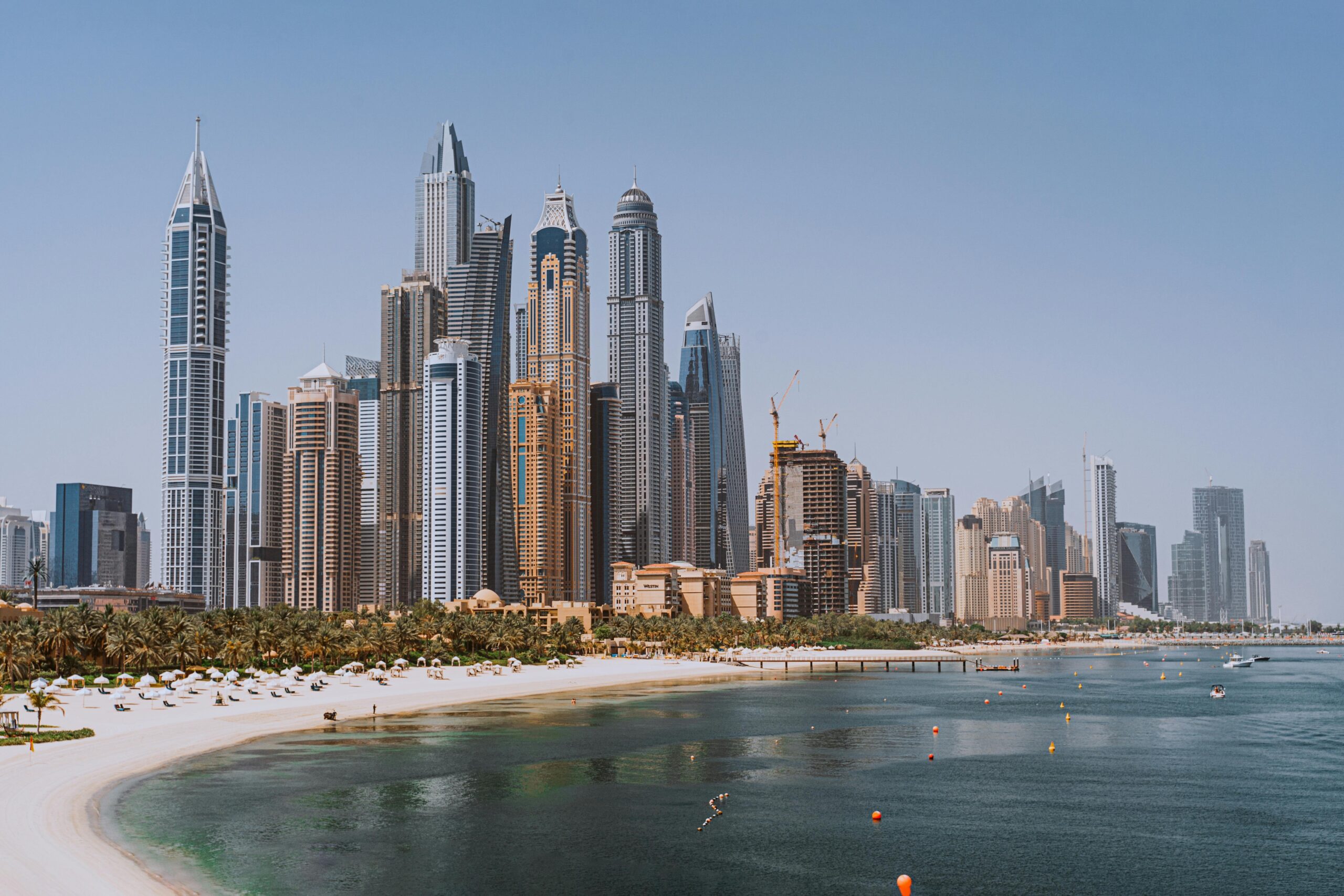
Rising sea levels pose real challenges for coastal property owners, but with the right strategies and tools, you can protect your investment and adapt effectively to changing conditions.

🌊 Understanding the Reality of Sea-Level Rise for Small Property Owners
Sea-level rise is no longer a distant threat—it’s a present reality affecting coastal communities worldwide. For small property owners, this environmental shift presents unique challenges that require immediate attention and proactive planning. Unlike large corporations or municipalities with extensive resources, individual homeowners must navigate these waters with careful consideration and strategic investments.
The National Oceanic and Atmospheric Administration (NOAA) reports that global sea levels have risen approximately 8-9 inches since 1880, with the rate accelerating in recent decades. This upward trend means coastal properties face increased risks of flooding, erosion, storm surge damage, and saltwater intrusion. Understanding these risks represents the crucial first step in developing an effective adaptation strategy.
Small property owners often feel overwhelmed by the scope of this challenge, but adaptation doesn’t require unlimited budgets or massive construction projects. Smart, incremental improvements combined with informed decision-making can significantly enhance your property’s resilience while maintaining affordability.
📊 Assessing Your Property’s Vulnerability
Before implementing any adaptation measures, you need a clear understanding of your property’s specific vulnerabilities. This assessment forms the foundation of your entire adaptation strategy and helps prioritize your investments for maximum impact.
Elevation and Flood Zone Mapping
Start by determining your property’s elevation relative to current and projected sea levels. FEMA flood maps provide baseline information, but they’re often outdated. Local planning departments typically maintain more current data, and many coastal communities now offer detailed sea-level rise projections through interactive online tools.
Your property’s flood zone designation directly impacts insurance requirements, building codes, and resale value. Properties in Special Flood Hazard Areas (SFHAs) face stricter regulations but also have access to specific adaptation resources and programs.
Historical Flooding Patterns
Examine historical flooding data for your area. Talk with long-term neighbors, review local news archives, and check municipal records for past flood events. This historical perspective reveals patterns that future projections might miss, such as drainage issues, neighborhood topography effects, or seasonal vulnerability windows.
Document everything with photos and notes. This record becomes invaluable when discussing insurance claims, applying for grants, or making improvement decisions.
💡 Immediate Low-Cost Adaptation Strategies
You don’t need to wait for large budgets or major construction seasons to begin protecting your property. Several effective strategies offer immediate benefits with minimal investment.
Improving Drainage and Water Management
Poor drainage amplifies flood risk dramatically. Walk your property during heavy rain to identify where water accumulates. Clear gutters, downspouts, and drainage channels regularly. Extend downspouts away from foundations—at least 10 feet is ideal. Install rain barrels to capture roof runoff, reducing both flooding risk and water bills.
French drains, swales, and dry wells can redirect water away from vulnerable areas. These installations require some investment but typically cost far less than flood damage repairs. Consider rain gardens that absorb runoff while adding aesthetic value to your property.
Strategic Landscaping for Coastal Protection
Native coastal vegetation provides natural flood protection while requiring less maintenance than traditional lawns. Deep-rooted plants stabilize soil, reduce erosion, and absorb excess water. Salt-tolerant species thrive in coastal conditions where conventional landscaping struggles.
Create buffer zones with native grasses, shrubs, and trees between your structures and water sources. These living barriers slow floodwaters, filter pollutants, and provide habitat for local wildlife. Avoid removing existing vegetation unless absolutely necessary—established root systems offer protection that takes years to replicate.
🏠 Structural Modifications for Enhanced Resilience
When budget allows, structural improvements provide the most robust long-term protection. These investments often qualify for insurance discounts and increase property value even as coastal risks grow.
Elevation Strategies
Elevating your structure above projected flood levels represents the gold standard for flood protection. For single-story homes on foundations, this might involve raising the entire structure. For homes with basements or crawl spaces, it could mean abandoning below-grade spaces and converting them to flood-resistant breakaway walls.
Elevation costs vary dramatically based on structure size, foundation type, and local labor rates. Expect investments from $30,000 to over $150,000. However, FEMA’s Hazard Mitigation Grant Program and similar state initiatives often cover 75% or more of eligible elevation projects, making this option accessible to many homeowners who couldn’t otherwise afford it.
Dry Floodproofing Techniques
For properties where elevation isn’t feasible, dry floodproofing seals structures to prevent water entry during flood events. This approach involves waterproof coatings, sealants, reinforced foundations, and protective barriers around openings.
Key dry floodproofing elements include:
- Waterproof sealants on walls and foundations
- Backflow valves preventing sewer backup
- Removable flood shields for doors and windows
- Sump pumps with battery backup systems
- Elevated electrical systems and HVAC equipment
Dry floodproofing works best for properties experiencing shallow flooding (typically under 3 feet). Deeper floods generate pressure that can compromise seals and structural integrity.
Wet Floodproofing Approaches
Wet floodproofing accepts that water will enter certain areas but minimizes damage through strategic design. This approach works well for garages, storage areas, and lower levels of elevated structures.
Install flood vents that allow water to flow through rather than building up pressure against walls. Use flood-resistant materials like concrete, tile, and marine-grade plywood in vulnerable areas. Mount utilities, appliances, and valuable storage on elevated platforms or upper floors.
📱 Technology Tools for Monitoring and Response
Modern technology offers small property owners sophisticated monitoring capabilities that were once available only to large institutions. These tools provide early warnings, track conditions, and automate protective responses.
Flood Alert Systems
Numerous smartphone apps now provide real-time flood warnings, tidal predictions, and storm tracking. These applications integrate data from NOAA, local weather services, and community reporting to deliver location-specific alerts.
Smart water sensors installed in vulnerable areas send immediate notifications when moisture is detected. These inexpensive devices (often under $50) can alert you to flooding, leaks, or groundwater intrusion before significant damage occurs. Many integrate with home automation systems for automated responses like activating sump pumps or shutting off water mains.
Property Monitoring Solutions
Security cameras with remote viewing capabilities let you check property conditions during storms or when you’re away. Time-lapse footage helps document flooding patterns and damage for insurance claims.
Smart home hubs can orchestrate multiple protective measures—closing flood barriers, starting backup generators, and notifying emergency contacts—triggered by weather alerts or sensor inputs. While initial setup requires investment, these systems provide peace of mind and can reduce insurance premiums.
💰 Financing Your Adaptation Projects
Adaptation costs concern every small property owner, but numerous funding sources can make resilience improvements affordable.
Government Assistance Programs
FEMA’s Flood Mitigation Assistance (FMA) program provides grants to property owners in high-risk flood zones. Pre-Disaster Mitigation (PDM) grants support proactive improvements before disasters strike. Many states offer matching programs or additional funding streams.
The National Flood Insurance Program (NFIP) provides Increased Cost of Compliance (ICC) coverage, offering up to $30,000 for elevation or other mitigation measures after flood damage. Some municipalities operate buyout programs for repeatedly flooded properties, offering fair market value to willing sellers.
Insurance Considerations and Discounts
Flood insurance remains separate from standard homeowner policies. NFIP policies cover structure and contents up to specified limits. Private flood insurance has expanded recently, often offering higher coverage limits and more flexible terms than NFIP policies.
Document all adaptation improvements with photos, receipts, and elevation certificates. These records can reduce insurance premiums through NFIP’s Community Rating System (CRS), which offers discounts up to 45% for properties in participating communities that implement floodplain management measures.
Home Equity and Green Financing
Home equity loans or lines of credit offer one path to funding adaptation projects. Interest rates typically beat credit cards or personal loans, and interest may be tax-deductible.
Some financial institutions now offer “green mortgages” or “resilience loans” with favorable terms for properties implementing climate adaptation measures. Energy-efficient improvements often accompany flood protection work, potentially qualifying for additional incentives.
🤝 Community-Based Adaptation Approaches
Individual property protection works best within coordinated community efforts. Neighboring properties share drainage systems, coastal features, and storm surge exposure—making collaboration essential for effective adaptation.
Neighborhood Resilience Planning
Organize neighbors to collectively assess vulnerabilities and coordinate improvements. Shared infrastructure projects like improved drainage systems or living shorelines become affordable when costs are distributed across multiple properties.
Community advocacy also amplifies voices when dealing with municipal planning departments, insurance companies, or grant agencies. Organized neighborhoods receive priority for government assistance programs and infrastructure improvements.
Living Shoreline Projects
Living shorelines use natural materials and native vegetation to stabilize coastlines while maintaining ecosystem functions. Unlike hard structures like seawalls, living shorelines adapt to changing conditions and provide habitat for marine life.
These projects work best as community initiatives spanning multiple properties. Costs typically run $300-$2,000 per linear foot depending on site conditions and design complexity. Many states offer technical assistance and cost-share programs for living shoreline installations.
📋 Creating Your Personal Adaptation Plan
Every property faces unique challenges requiring customized solutions. Develop a phased adaptation plan that addresses immediate vulnerabilities while building toward comprehensive long-term resilience.
Phase 1: Assessment and Quick Wins (0-6 months)
Complete vulnerability assessment, improve drainage, install water sensors, clear vegetation from drainage paths, and photograph property conditions. Apply for flood insurance if you don’t have coverage—policies include 30-day waiting periods before taking effect.
Phase 2: Moderate Investments (6-24 months)
Implement landscaping improvements, install sump pumps with battery backup, apply for grant programs, relocate utilities above projected flood levels, and create emergency response plans with supply kits and evacuation routes.
Phase 3: Major Projects (2-5 years)
Execute elevation projects, comprehensive floodproofing, or living shoreline installations. Consider property modifications, buyout programs, or relocation if vulnerabilities exceed adaptation capacity or budgets.
🌟 Maintaining Value While Managing Risk
Coastal property values face pressure from rising seas, but well-adapted properties can maintain or increase value even as risks grow. Smart adaptation demonstrates responsible ownership and reduces buyer concerns about climate exposure.
Document all improvements with before-and-after photos, receipts, permits, and professional assessments. Create a “resilience portfolio” highlighting adaptation measures when listing properties for sale. Many buyers now specifically seek climate-resilient properties, viewing adaptation investments as assets rather than costs.
Stay informed about local real estate trends, insurance market changes, and evolving building codes. Proactive adaptation positions your property favorably as coastal regulations tighten and insurance becomes more selective.
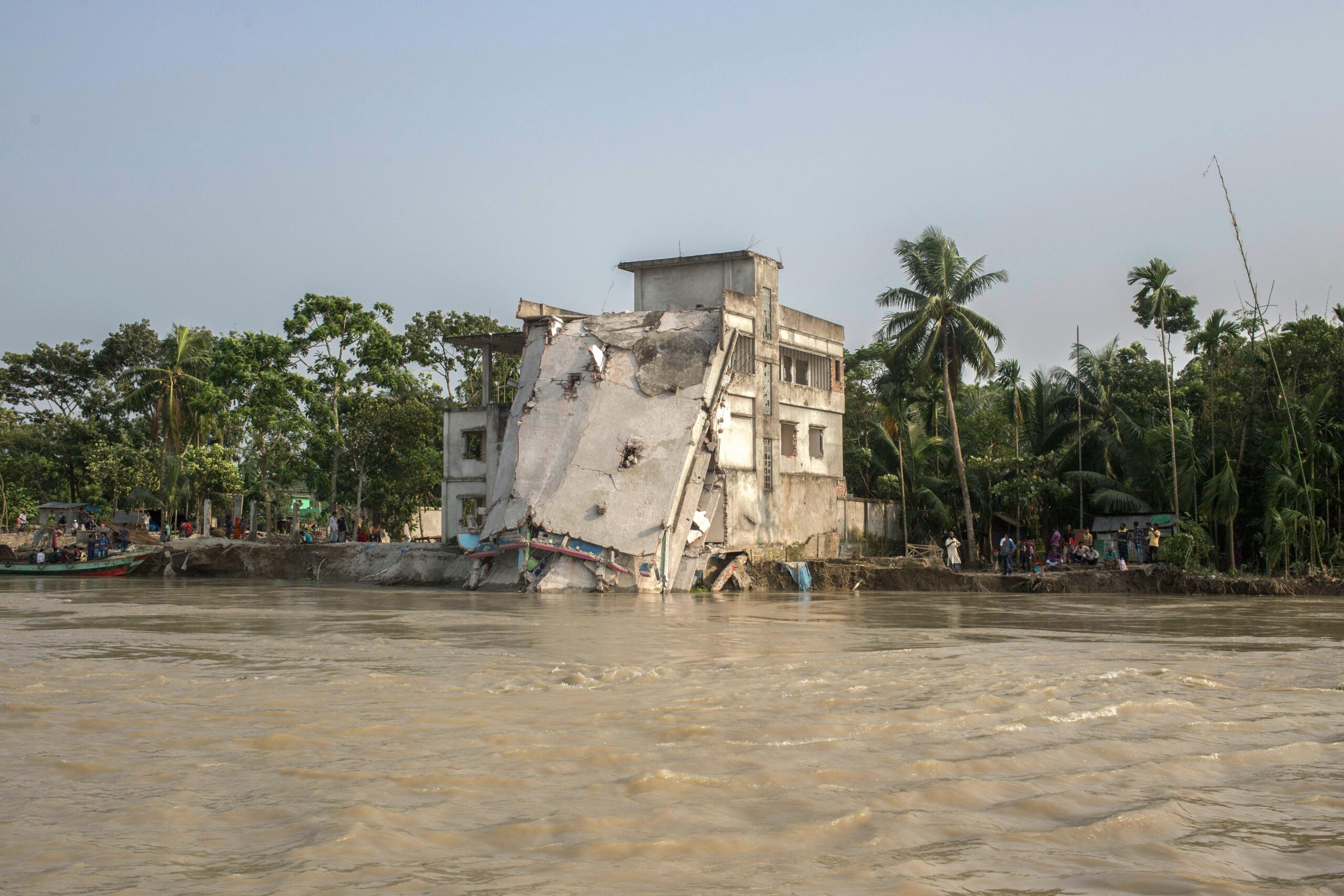
🔄 Adapting Your Adaptation Strategy
Climate science evolves as new data emerges and modeling improves. Your adaptation strategy should remain flexible, incorporating new information and adjusting to changing conditions.
Review sea-level projections annually and reassess your property’s vulnerability every 3-5 years. Attend local planning meetings where coastal management policies are discussed. Join property owner associations focused on climate adaptation to share experiences and learn from others facing similar challenges.
Climate adaptation represents an ongoing process rather than a one-time project. Small, consistent investments in resilience typically outperform delayed, reactive responses to damage. By starting now with manageable steps, small property owners can protect their investments, reduce stress, and maintain quality of life despite rising seas.
The challenges are real, but so are the solutions. With informed planning, strategic investments, and community cooperation, small property owners can successfully navigate the realities of sea-level rise while preserving the coastal lifestyle they value.