Ocean conservation begins in classrooms, community centers, and local shores—where small, intentional projects cultivate lifelong stewards of our blue planet.

🌊 Why Ocean Education Matters More Than Ever
Our oceans cover more than 70% of Earth’s surface, yet most people feel disconnected from marine ecosystems. This disconnect creates a dangerous gap between ocean health and public awareness. When communities lack understanding about marine environments, they’re less likely to protect them. Educational initiatives bridge this gap, transforming passive observers into active participants in ocean conservation.
The statistics paint a sobering picture: plastic pollution threatens marine life, overfishing depletes fish populations, and climate change bleaches coral reefs at alarming rates. However, education provides hope. Studies consistently show that people who engage with ocean learning projects—regardless of size—develop stronger environmental values and take meaningful conservation actions throughout their lives.
Small-scale educational projects offer unique advantages over large institutional programs. They’re adaptable, cost-effective, and deeply connected to local communities. A beach cleanup organized by a middle school class can spark conversations that ripple through entire neighborhoods. A student-led campaign to reduce single-use plastics can influence local business practices. These modest beginnings often generate disproportionately large impacts.
The Ripple Effect: How Small Actions Create Waves of Change
Educational projects focused on ocean stewardship operate on a multiplier principle. When one student learns about marine pollution, they share that knowledge with family members, friends, and social networks. This organic spread of information creates exponential awareness growth that top-down campaigns struggle to achieve.
Consider a classroom project where students monitor local water quality. The immediate educational value is obvious—students learn scientific methodology, data collection, and ecological principles. But the extended impact reaches further. Parents become curious about their findings. Local news outlets may cover the story. Municipal leaders might take notice of pollution sources identified by the students. One small project evolves into a community-wide conversation about environmental responsibility.
Building Environmental Identity Through Hands-On Learning
Traditional environmental education often relies on textbooks and lectures, but ocean stewardship requires something deeper—an emotional connection. Small projects facilitate this connection by providing direct experiences with marine environments. When students physically touch tide pool creatures, measure wave patterns, or analyze microplastic samples, they form memories that textbooks cannot replicate.
This experiential learning shapes environmental identity—how individuals see themselves in relation to nature. A teenager who participates in coral restoration doesn’t just learn about marine biology; they become someone who protects coral reefs. This identity shift influences decisions throughout life, from career choices to consumer behavior to civic engagement.
🎓 Designing Impactful Small-Scale Ocean Projects
Effective ocean education projects share common characteristics regardless of their specific focus. They’re locally relevant, scientifically grounded, action-oriented, and designed for participation rather than passive observation. Understanding these principles helps educators create projects that maximize impact while minimizing resource requirements.
Start With Local Connections
The most powerful ocean education doesn’t necessarily happen at the coast. Landlocked communities connect to oceans through watersheds, rivers, and consumer choices. A project tracking where local waterways lead helps inland students understand their connection to distant seas. Examining products in school cafeterias reveals how fishing practices and seafood choices affect marine ecosystems thousands of miles away.
Local relevance ensures projects feel meaningful rather than abstract. Students investigating storm drain pollution in their neighborhood engage more deeply than those studying generic ocean problems. They see direct consequences of their research and recognize their capacity to influence outcomes. This personal connection sustains motivation and encourages continued participation.
Incorporate Authentic Scientific Practices
Students deserve opportunities to conduct real science, not simplified simulations. Small projects can incorporate authentic research methods appropriate to age levels. Elementary students can collect and categorize beach debris, contributing to global databases that inform policy decisions. High school students might partner with marine researchers, collecting field data or analyzing samples according to standardized protocols.
This authentic participation demonstrates that scientific research isn’t reserved for professionals in laboratories. It demystifies the scientific process and shows students their observations have value. Many citizen science initiatives specifically seek educational partnerships, providing protocols, training, and data management support that make authentic research accessible to small groups.
Project Ideas That Punch Above Their Weight
Certain project types consistently deliver outsized impacts relative to their modest resource requirements. These initiatives provide templates that educators can adapt to local contexts and available resources.
Community Beach and Waterway Cleanups
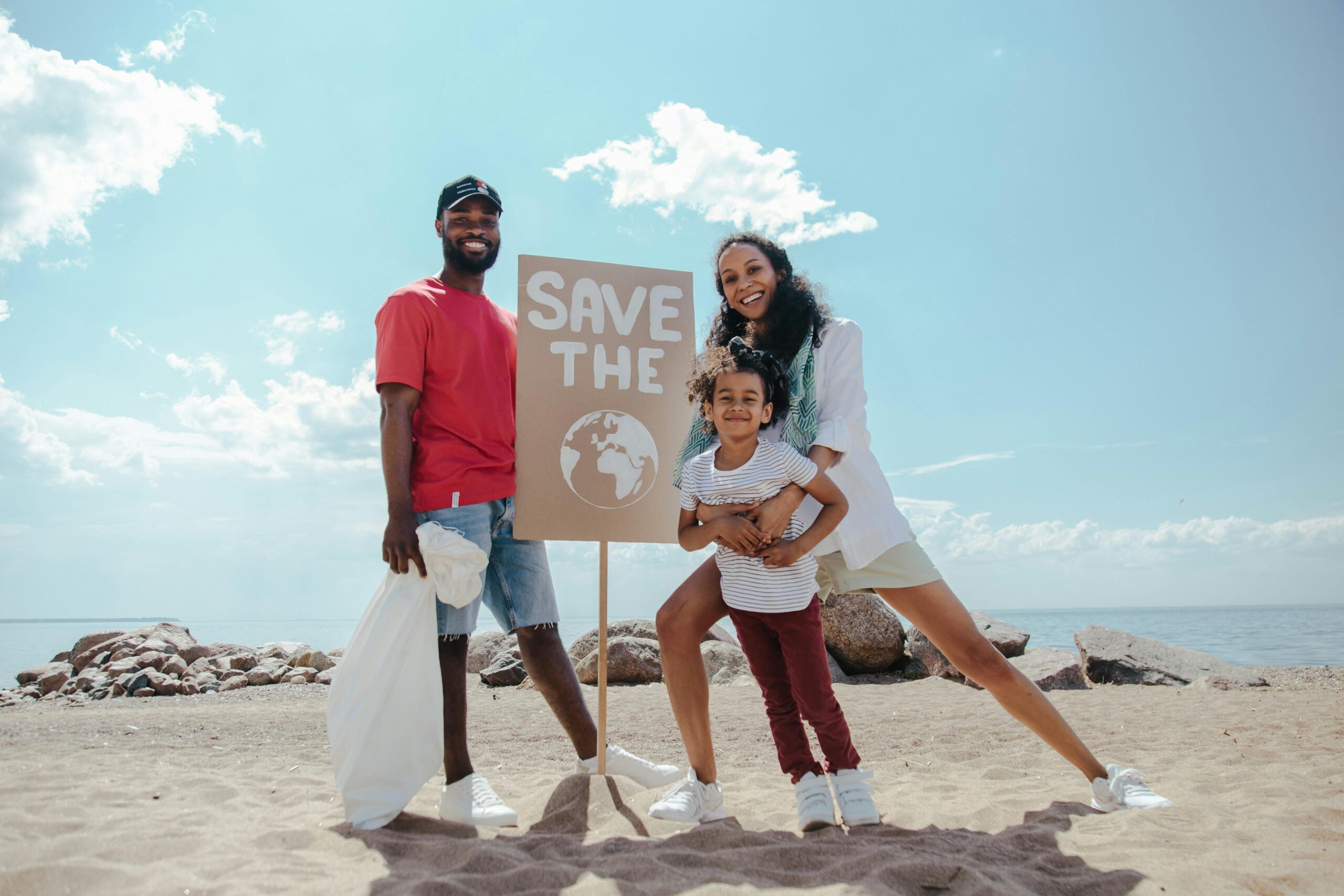
Beach cleanups represent the most accessible entry point for ocean education, but their value extends far beyond trash removal. Well-designed cleanup projects incorporate data collection, analyzing what types of pollution appear most frequently and tracing sources. Students learn about marine debris pathways, consumer culture, and waste management systems while performing tangible service.
The social dimension of cleanups magnifies their impact. Public events attract media attention and community participation, spreading awareness beyond the organizing group. Visible action inspires others to examine their own behaviors. The collected data can inform advocacy efforts, providing evidence for policy changes like plastic bag bans or improved waste management infrastructure.
School and Community Plastic Reduction Campaigns
Single-use plastic reduction projects teach systems thinking while addressing a major ocean threat. Students audit plastic use in specific contexts—their school, a local business, a community event—then develop strategies to reduce consumption. These campaigns build skills in research, communication, negotiation, and project management while delivering measurable environmental benefits.
Successful campaigns often start small and expand. A student group might first convince their school cafeteria to switch from disposable to reusable utensils, then use that success to approach local restaurants. Each victory builds confidence and demonstrates the power of organized advocacy. The plastic items prevented from entering waste streams represent direct ocean protection.
Watershed Education and Monitoring
Understanding that all water flows to the ocean eventually transforms how students view local waterways. Watershed projects help students trace connections between their daily activities and distant marine environments. Monitoring stream health, testing water quality, or mapping storm drain networks reveals how pollution travels from neighborhoods to seas.
These projects work equally well in coastal and inland communities. Students in mountain regions can study how snowmelt feeds rivers that eventually reach oceans. Urban students can investigate how street runoff carries pollutants through storm systems into bays and estuaries. This watershed perspective builds a sense of responsibility that transcends geographic proximity to coastlines.
🛠️ Tools and Resources for Ocean Educators
Modern technology democratizes ocean education, providing small projects with access to professional-grade tools and global networks. Educators don’t need expensive equipment or extensive marine science backgrounds to facilitate meaningful ocean stewardship projects.
Citizen Science Platforms
Numerous organizations welcome contributions from educational groups, providing protocols, training, and data management infrastructure. These platforms transform student work into genuine scientific contributions while offering educational support. Programs focused on marine debris monitoring, species identification, water quality testing, and coastal observation accept data from volunteers worldwide.
Participation in established citizen science initiatives offers multiple benefits. Students gain satisfaction knowing their work contributes to actual research. Educators receive structured curricula and assessment tools. Scientists obtain valuable data from geographic areas they couldn’t otherwise monitor. These mutually beneficial relationships demonstrate science as a collaborative, inclusive endeavor.
Digital Documentation and Storytelling Tools
Smartphones and tablets put professional documentation capabilities in students’ hands. Photo identification apps help classify marine species observed during field trips. Social media platforms allow students to share their conservation stories with global audiences. Video editing applications enable creation of compelling narratives that inspire others to action.
Digital storytelling amplifies project impacts by extending reach beyond immediate participants. A well-crafted video about a school’s ocean conservation initiative can influence thousands of viewers, multiplying the project’s educational effect. Students develop media literacy and communication skills while spreading ocean stewardship messages through channels their peers actually use.
Overcoming Common Obstacles to Implementation
Even modest ocean education projects face practical challenges. Anticipating and addressing these obstacles increases the likelihood of successful implementation and sustained participation.
Limited Budgets and Resources
Financial constraints need not prevent meaningful ocean education. Many impactful projects require minimal investment. Beach cleanups need only trash bags and gloves. Water quality monitoring can use simple test kits or even visual observations. Plastic audits require clipboards and tallying systems rather than expensive equipment.
Resourceful educators find creative solutions. Local businesses often donate supplies for environmental projects. Community organizations may provide meeting spaces or equipment loans. Crowdfunding platforms help small groups raise modest amounts for specific needs. The educational value comes from engagement and reflection, not expensive materials.
Time Constraints in Packed Curricula
Teachers face pressure to cover required content, leaving little room for additional projects. However, ocean stewardship initiatives can integrate with existing curricula rather than competing for time. Science classes incorporate marine ecology examples. Mathematics lessons use ocean data for statistics practice. Language arts assignments focus on environmental writing. Social studies explore the human dimensions of ocean conservation.
This integration approach delivers efficiency benefits. Students develop required academic skills while engaging with meaningful real-world issues. Interdisciplinary connections deepen understanding and demonstrate how knowledge areas interact. Assessment becomes authentic, measuring genuine competencies rather than memorization.
Geographic Distance From Oceans
Landlocked schools sometimes assume ocean education isn’t relevant, but this perception misses crucial connections. Every community affects oceans through consumption patterns, waste production, and watershed connections. Effective educators help students recognize these links, making ocean stewardship meaningful regardless of distance from coastlines.
Virtual connections supplement physical distance. Live webcams broadcast from marine research stations, coral reefs, and coastal ecosystems. Video conferencing enables conversations with marine scientists, fishers, and coastal residents. Virtual reality experiences place students on ocean floors or amid marine wildlife. These technologies don’t replace direct experiences but expand what’s educationally accessible.
🌟 Measuring Success Beyond Test Scores
Traditional educational assessment struggles to capture the full value of ocean stewardship projects. Standardized tests measure content knowledge but miss attitude shifts, behavioral changes, and community impacts that represent the deepest project outcomes.
Tracking Behavioral and Attitudinal Changes
Meaningful assessment examines how participation influences students’ environmental behaviors and attitudes over time. Do participants reduce plastic consumption? Do they engage in conservation conversations with family members? Do they seek additional environmental learning opportunities? These indicators reveal the lasting influence that small projects can generate.
Longitudinal approaches provide the richest data. Following participants for months or years after project completion shows whether effects persist. Many educators report that students maintain ocean-friendly behaviors long after formal programs end, suggesting that well-designed projects create genuine transformations rather than temporary compliance.
Documenting Community Ripple Effects
Project impacts extend beyond direct participants to influence families, neighborhoods, and sometimes entire communities. Documenting these ripple effects demonstrates the multiplier potential of educational initiatives. A class of 25 students might directly influence 100 family members, who in turn affect broader social networks.
Evidence of community impact includes changes in local practices, media coverage, policy shifts, or new environmental initiatives inspired by student work. A school project that prompts a town to install water bottle filling stations represents success far exceeding what standardized metrics capture. These community-level changes validate the “small projects, big impact” thesis at the heart of grassroots ocean education.
Building Sustained Commitment to Ocean Stewardship
One-time projects provide value, but sustained engagement creates lasting impact. Thoughtful design helps initial projects evolve into ongoing commitments that shape institutional cultures and community identities.
Creating Student-Led Initiatives
Projects transition from teacher-driven to student-led as participants gain confidence and expertise. Environmental clubs, youth advisory boards, and peer education programs allow students to design and implement their own ocean stewardship initiatives. This leadership development builds agency—the sense that one’s actions matter and create change.
Student leadership also ensures project sustainability. When responsibility passes from one student cohort to the next, initiatives continue beyond individual participation periods. Schools develop environmental traditions—annual beach cleanups, ongoing monitoring programs, or signature campaigns—that become part of institutional identity.
Connecting to Broader Movements
Local projects gain power when connected to regional, national, or global conservation movements. Students recognize they’re part of something larger than their individual efforts, which sustains motivation during challenging moments. Participation in international campaigns like World Ocean Day or International Coastal Cleanup Day provides this broader context.
These connections also facilitate knowledge exchange. Students learn from peers tackling similar challenges in different contexts. Successful strategies spread between communities. Collective action builds momentum that individual projects cannot achieve alone. The local remains important, but connection to larger movements amplifies impact and inspiration.
🌏 The Long View: Education as Ocean Conservation Infrastructure
Ocean stewardship education represents investment in long-term conservation infrastructure. Today’s student participants become tomorrow’s scientists, policymakers, business leaders, and engaged citizens. The attitudes and knowledge they develop through small educational projects influence decisions throughout their lives.
This long-term perspective reframes how we evaluate educational initiatives. Immediate measurable outcomes matter, but the deepest value accrues over decades as participants carry ocean conservation values into careers, consumer choices, and civic engagement. A middle school beach cleanup project might seem modest in isolation, but if it inspires even one participant toward marine biology, conservation policy, or sustainable business practices, its ultimate impact could be enormous.
Large-scale ocean recovery requires millions of people making informed, ocean-friendly decisions. No top-down program can dictate this transformation. Instead, it emerges from countless small efforts that build awareness, foster connection, and develop commitment. Educational projects—however modest—represent essential building blocks of this larger transformation.
Taking the First Step Toward Ocean Stewardship
Beginning ocean education initiatives requires less than many educators imagine. The essential ingredients are curiosity about marine environments, willingness to learn alongside students, and commitment to action beyond passive information consumption. Expertise develops through engagement, and numerous resources support educators new to ocean topics.
Start with what’s accessible and manageable. A single beach cleanup organized by one classroom represents a legitimate beginning. So does a plastic audit of school lunch waste or a research project on local watershed connections. Small successes build confidence and capacity for more ambitious future initiatives. The key is starting rather than waiting for perfect conditions that may never materialize.
Ocean stewardship education doesn’t require coastal locations, large budgets, or extensive marine science training. It requires belief that small actions matter and that young people can become powerful forces for environmental change. When educators embrace this potential and provide opportunities for meaningful engagement, students consistently exceed expectations, proving that small projects can indeed generate big impacts for our ocean planet.
The future of our oceans depends not on heroic individual actions but on millions of people making informed, conservation-minded choices. Education—particularly hands-on, project-based ocean stewardship—builds the awareness and commitment necessary for this transformation. Every beach cleaned, every plastic item refused, every water quality measurement recorded contributes to larger conservation momentum. Small projects today cultivate the ocean stewards our planet desperately needs tomorrow. 🌊