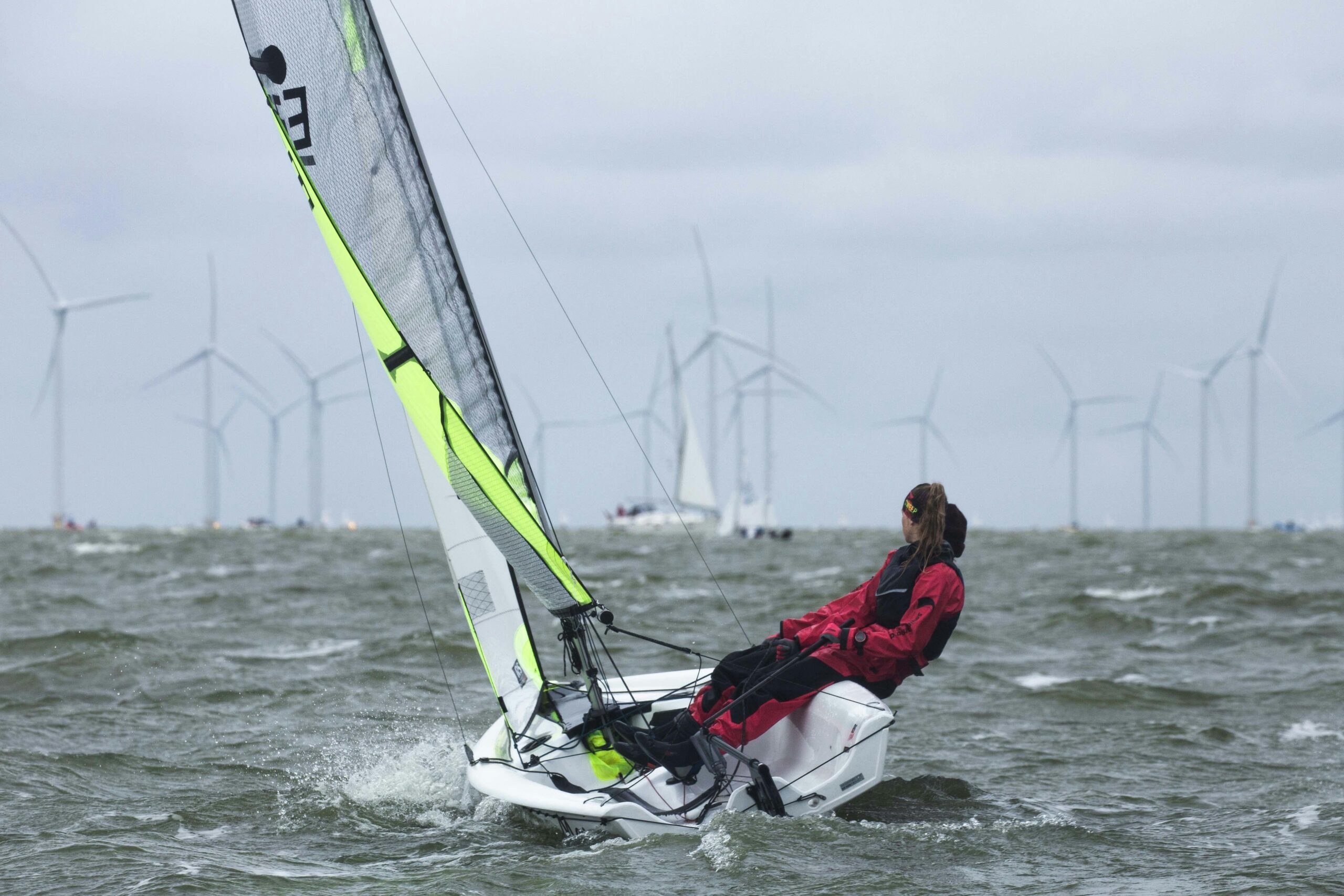
Artisanal fishing communities worldwide are embracing eco-friendly gear innovations that promise to protect marine ecosystems while sustaining traditional livelihoods and coastal economies.

🌊 The Urgent Need for Sustainable Fishing Practices
Our oceans are facing unprecedented challenges. Overfishing, habitat destruction, and bycatch of non-target species have pushed marine ecosystems to their breaking point. Industrial fishing methods, while efficient at extracting resources, have proven devastating to ocean biodiversity. Ghost gear—abandoned fishing equipment—continues to trap and kill marine life long after it’s been discarded, creating a persistent threat that affects millions of animals annually.
The statistics paint a sobering picture. According to recent marine conservation studies, approximately 40% of global catches consist of bycatch, including endangered sea turtles, dolphins, and seabirds. Traditional fishing gear, particularly gillnets and longlines, contributes significantly to this problem. The time for change isn’t tomorrow—it’s today.
Artisanal fishers, who represent over 90% of the world’s fishing workforce, find themselves at a crossroads. These small-scale operators depend on healthy oceans for their survival, making them natural allies in conservation efforts. Their willingness to participate in eco-friendly gear trials represents a powerful shift toward sustainable fishing practices that balance economic necessity with environmental responsibility.
Understanding Artisanal Fishing and Its Environmental Impact
Artisanal fishing refers to traditional, small-scale fishing practices typically conducted by individuals or small cooperatives using relatively simple equipment. Unlike industrial operations with massive trawlers and factory ships, artisanal fishers work from small boats, often within coastal waters, using techniques passed down through generations.
These fishing communities share deep connections with marine environments. Their knowledge of local ecosystems, seasonal patterns, and fish behavior represents centuries of accumulated wisdom. However, even traditional methods can cause environmental harm when gear isn’t designed with conservation in mind.
The environmental footprint of artisanal fishing varies considerably depending on gear type and fishing methods employed. Hook-and-line fishing generally produces minimal bycatch, while gillnets can inadvertently capture dolphins, turtles, and sharks. The challenge lies in maintaining fishing efficiency while dramatically reducing unintended consequences.
The Hidden Costs of Traditional Gear
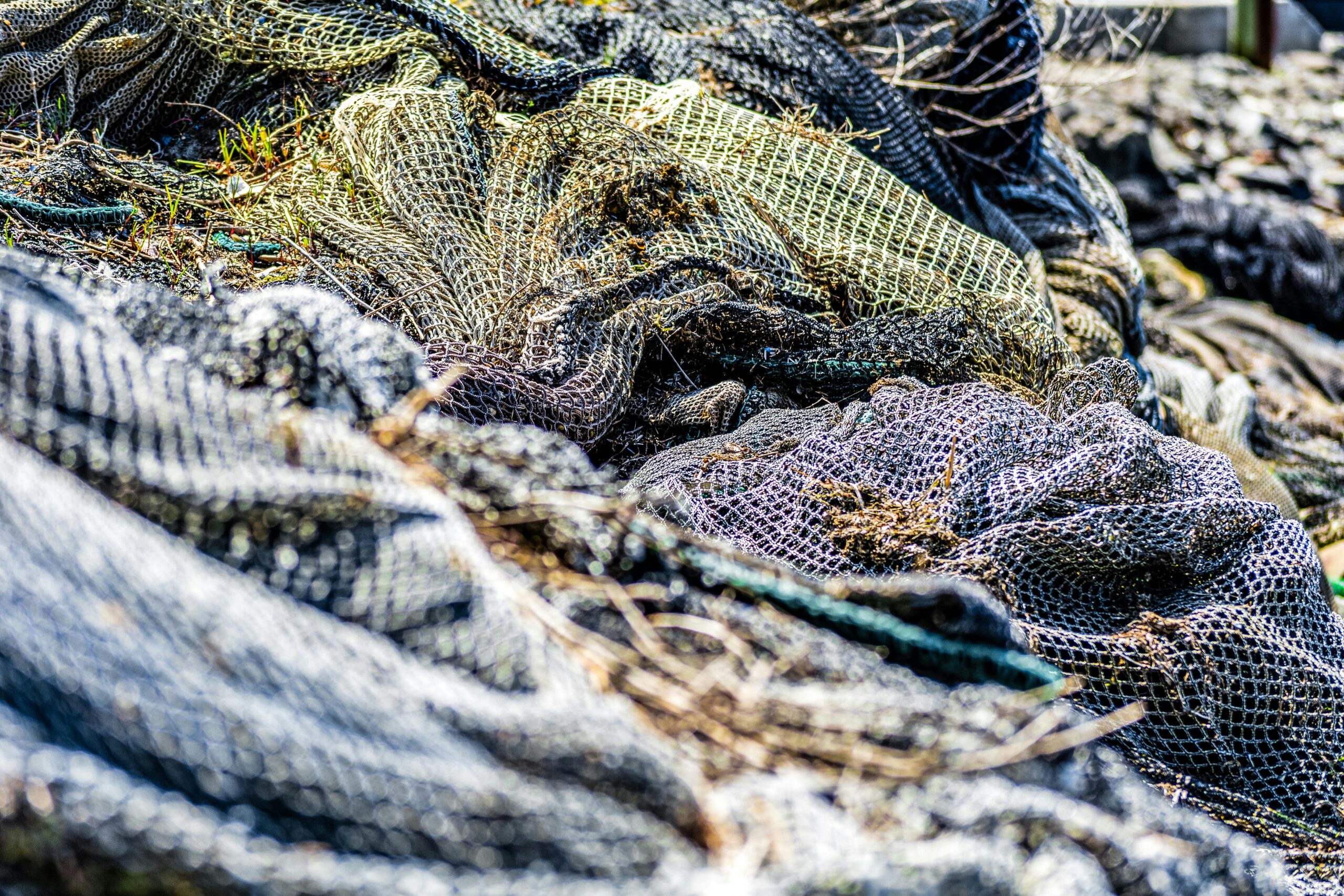
Many artisanal fishers use gear constructed from synthetic materials like nylon and polyethylene. These materials are durable and affordable but create serious problems when lost or discarded. Synthetic nets can persist in ocean environments for hundreds of years, continuously trapping wildlife in what conservationists call “ghost fishing.”
Beyond entanglement risks, traditional gear often lacks selectivity. Mesh sizes and hook configurations designed to maximize catches inevitably capture juvenile fish that haven’t yet reproduced, undermining population sustainability. This indiscriminate approach threatens the very resource base upon which fishing communities depend.
🔬 Innovative Eco-Friendly Fishing Gear Technologies
The revolution in sustainable fishing gear combines traditional knowledge with cutting-edge materials science and marine biology research. These innovations aim to maintain or improve catch efficiency while dramatically reducing environmental impact through smarter design and biodegradable materials.
Biodegradable Fishing Nets and Lines
One of the most promising developments involves fishing gear manufactured from biodegradable materials. Researchers have developed nets and lines made from naturally occurring polymers that maintain strength and durability during use but decompose relatively quickly if lost at sea.
Materials like biodegradable polybutylene succinate (PBS) and polylactic acid (PLA) derived from corn or sugarcane show particular promise. These substances break down through microbial action within two to five years—a dramatic improvement over conventional synthetic nets that persist for centuries. Field trials in Southeast Asian fishing communities have demonstrated that biodegradable nets perform comparably to traditional materials while significantly reducing ghost fishing risks.
Selective Fishing Technology
Bycatch reduction represents another crucial innovation frontier. Selective fishing gear employs various strategies to ensure that only target species of appropriate size are caught, allowing juveniles and non-target species to escape unharmed.
Turtle excluder devices (TEDs) and bycatch reduction devices (BRDs) have proven effective in shrimp trawls, allowing sea turtles to escape while retaining target catches. For gillnet fisheries, innovations include acoustic pingers that deter dolphins and porpoises, and modified mesh designs that reduce shark and ray entanglement.
Smart hook technology represents another breakthrough. Circle hooks, which curve inward, significantly reduce sea turtle captures compared to traditional J-hooks. Some designs incorporate weak points that corrode predictably, ensuring that any accidentally ingested hooks will dissolve before causing long-term harm.
LED Light Modifications
Simple additions like LED lights to fishing nets have shown remarkable results in reducing bycatch. Green LED lights attached to gillnets at regular intervals alert sea turtles to the nets’ presence, reducing turtle bycatch by up to 64% in some trials without affecting target catch rates. This affordable, battery-powered solution demonstrates how small modifications can yield significant conservation benefits.
🎣 Real-World Trials: Stories from Fishing Communities
The true test of eco-friendly fishing gear happens not in laboratories but in the hands of working fishers who depend on their catches for daily sustenance. Trials conducted across diverse marine environments provide valuable insights into both the potential and challenges of these technologies.
Mediterranean Success Stories
In coastal Spain, a cooperative of 40 artisanal fishers participated in a two-year trial of biodegradable gillnets. Initial skepticism gave way to enthusiasm as fishers discovered the new nets performed identically to their conventional counterparts in terms of catch volume and fish quality.
The cooperative’s coordinator noted that fishers particularly appreciated knowing that accidentally lost gear wouldn’t continue killing marine life indefinitely. This psychological benefit—fishing with a clearer conscience—proved surprisingly important to community acceptance. The trial’s success led to broader adoption, with neighboring cooperatives requesting access to the biodegradable nets.
Caribbean Lobster Fisheries Innovation
Caribbean lobster fishers in Belize tested biodegradable escape panels in lobster traps. These panels, designed to dissolve within months if traps are lost, allow trapped animals to escape rather than perish in ghost traps littering the seafloor.
The trial revealed unexpected benefits. Fishers found that the escape panels actually improved their catches by preventing traps from becoming clogged with dead lobsters, which would otherwise deter new lobsters from entering. This win-win outcome—better for conservation and better for business—demonstrated how ecological and economic interests can align.
Pacific Island LED Light Experiments
Small-scale tuna fishers in Pacific island nations participated in trials testing LED-equipped gillnets designed to reduce shark bycatch. Results exceeded expectations, with shark captures dropping by 42% while tuna catches remained stable.
For these communities, shark conservation carries cultural significance beyond ecological concerns. Many Pacific island traditions venerate sharks as ancestral guardians, making bycatch reduction both an environmental and spiritual imperative. The successful integration of modern technology with traditional values highlights the importance of culturally sensitive conservation approaches.
💡 Overcoming Barriers to Adoption
Despite promising results, widespread adoption of eco-friendly fishing gear faces significant obstacles. Understanding and addressing these barriers proves essential to scaling successful trials into transformative change.
Economic Considerations
Cost remains the most frequently cited barrier. Biodegradable materials and specialized designs often carry price premiums compared to conventional gear. For artisanal fishers operating on thin margins, even modest cost increases can prove prohibitive.
Subsidy programs and cooperative purchasing arrangements help address this challenge. Several governments and conservation organizations now offer financial incentives for fishers adopting certified eco-friendly gear. Bulk purchasing through cooperatives reduces per-unit costs, making sustainable options more accessible to individual fishers.
Education and Training Requirements
New gear sometimes requires modified fishing techniques or maintenance protocols. Fishers accustomed to traditional methods may need training to optimize eco-friendly equipment performance. Extension programs connecting researchers with fishing communities facilitate knowledge transfer and troubleshoot implementation challenges.
Peer-to-peer learning proves particularly effective. When respected fishers within a community successfully adopt new gear and share their experiences, others follow more readily than when urged by outside experts. Building networks of gear champions within fishing communities accelerates adoption rates.
Regulatory Frameworks and Certification
Clear regulations and certification standards help differentiate genuinely sustainable gear from greenwashing marketing claims. Several organizations now offer eco-label certification for fishing gear meeting specific environmental criteria, providing consumers and fishers with reliable guidance.
Governments play a crucial role by incorporating gear requirements into fishing regulations and licensing conditions. Progressive jurisdictions mandate bycatch reduction devices or prohibit particularly harmful gear types, creating level playing fields where sustainable practices become industry standards rather than competitive disadvantages.
🌍 The Broader Environmental and Social Benefits
The transition to eco-friendly artisanal fishing gear generates benefits extending far beyond reduced bycatch numbers. These ripple effects touch ecosystem health, community resilience, and global food security.
Ecosystem Recovery and Resilience
Reducing bycatch allows non-target species populations to recover, strengthening marine ecosystem resilience. Healthy predator populations, including sharks and marine mammals, maintain ecological balance that benefits commercial fish stocks. This creates positive feedback loops where conservation measures improve long-term fishing prospects.
Eliminating ghost gear removes persistent threats from marine environments. Coral reefs, already stressed by climate change, face additional damage from drifting nets that tear across reef structures. Biodegradable gear significantly reduces this ongoing destruction.
Strengthening Fishing Communities
Participation in gear trials and adoption of sustainable practices strengthens community cohesion and collective identity. Fishing cooperatives engaged in conservation initiatives report increased internal solidarity and enhanced reputations in broader society.
Market access represents another significant benefit. Consumers increasingly seek sustainably sourced seafood, creating premium market opportunities for fishers using certified eco-friendly gear. Direct marketing initiatives connecting conscious consumers with sustainable fishing communities generate economic returns that justify gear investments.
Preserving Cultural Heritage
Artisanal fishing represents living cultural heritage, embodying traditional knowledge and community practices passed through generations. By ensuring ocean health, sustainable gear helps preserve the resource base that makes continued traditional fishing viable, protecting cultural continuity alongside biodiversity.
🚀 Scaling Success: From Trials to Transformation
Moving from successful pilot programs to industry-wide transformation requires coordinated action across multiple stakeholders, including fishers, governments, researchers, NGOs, and consumers.
Investment in Research and Development
Continued innovation depends on sustained research funding. Governments and foundations should prioritize marine conservation research that produces practical solutions for working fishers. Collaborative research models involving fishers as active participants rather than passive subjects generate more applicable results.
Policy Integration
Marine conservation policies should explicitly support eco-friendly gear adoption through regulatory incentives, subsidies, and public procurement preferences for sustainably caught seafood. International cooperation proves essential since fish stocks and ocean conservation transcend national boundaries.
Consumer Awareness and Demand
Informed consumers drive market transformation. Education campaigns highlighting the connection between purchasing choices and ocean health empower consumers to support sustainable fisheries. Transparent labeling systems enable conscientious purchasing decisions that reward fishers investing in eco-friendly practices.
🐠 Looking Forward: The Future of Artisanal Fishing
The eco-friendly revolution in artisanal fishing gear represents more than technological innovation—it embodies a fundamental reimagining of humanity’s relationship with marine ecosystems. Rather than viewing oceans as inexhaustible resources to be exploited, this approach recognizes fishers as ecosystem stewards whose prosperity depends on marine health.
Emerging technologies promise even greater advances. Smart fishing gear incorporating sensors and connectivity could provide real-time bycatch alerts, automated gear tracking to prevent losses, and data collection supporting adaptive management. Artificial intelligence may optimize gear configurations for specific conditions, maximizing selectivity while maintaining efficiency.
The integration of traditional ecological knowledge with modern science creates particularly exciting possibilities. Indigenous and local fishing communities possess deep understanding of marine ecosystem dynamics that complements scientific research. Collaborative approaches valuing both knowledge systems generate robust solutions grounded in practical wisdom and rigorous analysis.
Climate change adds urgency to these efforts. Warming oceans, acidification, and shifting fish distributions challenge fishing communities worldwide. Sustainable gear practices build resilience, helping communities adapt while minimizing additional stresses on already challenged marine ecosystems.
⚓ Anchoring Hope in Innovation and Tradition
The journey toward truly sustainable artisanal fishing continues, marked by both challenges and remarkable achievements. Eco-friendly gear trials demonstrate that fishing and conservation need not exist in opposition—properly designed equipment allows fishers to earn livelihoods while protecting the marine environments they depend upon.
Success requires recognizing artisanal fishers not as problems to be managed but as essential partners in ocean conservation. Their intimate knowledge of marine systems, economic stake in sustainable resource management, and cultural connections to fishing traditions make them invaluable allies in protecting our shared ocean heritage.
Every biodegradable net deployed, every LED light preventing turtle bycatch, and every fisher choosing sustainable gear contributes to larger transformation. These individual actions accumulate into movements capable of reversing decades of marine degradation and charting courses toward abundant, resilient ocean ecosystems.
The eco-friendly revolution in artisanal fishing gear offers tangible hope during a time of environmental crisis. It demonstrates that human ingenuity, when guided by ecological wisdom and social responsibility, can solve even complex conservation challenges. Our oceans have given humanity sustenance, wonder, and life itself since time immemorial. Through innovations in fishing practices, we can ensure that this generosity continues for generations yet to come.
The waves of change are building. Artisanal fishers worldwide are proving that protecting our oceans and maintaining fishing traditions can advance together, creating futures where both marine life and fishing communities thrive. This is not merely conservation—it’s a revolution anchored in respect for nature, tradition, and the interconnected futures we all share. 🌊