
Algae-based solutions are transforming modern agriculture by offering eco-friendly alternatives that nourish plants naturally while reducing environmental impact and chemical dependency.

Farmers and gardeners worldwide are discovering the remarkable benefits of incorporating algae into their growing practices. These microscopic powerhouses contain essential nutrients, growth-promoting compounds, and soil-enhancing properties that traditional fertilizers simply cannot match. As we face growing concerns about chemical runoff, soil degradation, and climate change, algae emerges as a game-changing solution that supports both plant health and environmental sustainability.
The agricultural revolution we’re experiencing isn’t about synthetic innovations—it’s about returning to nature’s most efficient systems. Algae have sustained aquatic ecosystems for billions of years, and now they’re proving their worth on land. Whether you’re managing a commercial farm or tending a backyard garden, understanding how algae feed and fertilizer work can dramatically improve your yields while supporting regenerative agriculture practices.
🌱 Understanding the Power of Algae in Agriculture
Algae represent one of the oldest life forms on Earth, and their nutritional profile is nothing short of extraordinary. These photosynthetic organisms convert sunlight into dense concentrations of proteins, vitamins, minerals, and bioactive compounds that plants absolutely thrive on.
Unlike conventional fertilizers that provide only basic NPK (nitrogen, phosphorus, potassium), algae deliver a comprehensive nutritional package. They contain amino acids, enzymes, growth hormones like cytokinins and auxins, and trace minerals that activate numerous metabolic processes within plants. This holistic nutrition creates stronger, more resilient crops capable of withstanding environmental stresses.
The cellular structure of algae also matters tremendously. Their cell walls are easily broken down by soil microorganisms, releasing nutrients gradually over time. This slow-release mechanism prevents nutrient leaching and ensures plants receive consistent nourishment throughout their growth cycle—a stark contrast to chemical fertilizers that often cause boom-and-bust feeding patterns.
Types of Algae Used in Agriculture
Several algae species have proven particularly valuable for agricultural applications. Seaweed extracts from kelp and other brown algae contain high levels of alginates and complex carbohydrates. Microalgae like Spirulina and Chlorella pack incredibly dense nutrition into tiny packages. Each variety offers unique benefits, and many products combine multiple species for maximum effect.
Green algae species excel at producing chlorophyll and certain vitamins, while blue-green algae (cyanobacteria) are exceptional nitrogen fixers. Brown seaweeds provide specialized polysaccharides that enhance soil structure. Understanding these differences helps you select the right algae product for your specific crops and soil conditions.
💚 Environmental Benefits That Make a Real Difference
The sustainability credentials of algae fertilizers extend far beyond the garden fence. Algae cultivation actually removes carbon dioxide from the atmosphere through photosynthesis, making it carbon-negative. Some operations grow algae using wastewater or agricultural runoff, simultaneously producing fertilizer while cleaning contaminated water—a beautiful example of circular economy principles.
Chemical fertilizer production requires enormous energy inputs and releases significant greenhouse gases. Conversely, algae farming operates on sunlight and minimal resources. When you choose algae-based products, you’re supporting agricultural systems that heal rather than harm our planet.
Water conservation represents another critical advantage. Algae-treated soils develop improved structure and water-holding capacity, reducing irrigation requirements by up to 30% in some studies. In drought-prone regions or areas facing water scarcity, this benefit alone justifies switching to algae fertilizers.
Reducing Chemical Dependency
Synthetic fertilizers have created a dependency cycle where soils become depleted of organic matter and beneficial microbes, requiring ever-increasing chemical inputs. Algae break this cycle by feeding both plants and soil ecosystems. The organic compounds in algae support earthworms, beneficial bacteria, fungi, and countless other organisms that create truly living soil.
This biological activity naturally suppresses many plant diseases and pests, reducing the need for chemical interventions. Healthy, well-nourished plants also develop stronger natural defenses against insects and pathogens. Over time, gardens and farms treated with algae products become self-regulating ecosystems requiring fewer external inputs of all kinds.
🌾 How Algae Feed Enhances Plant Growth and Development
The growth-promoting effects of algae feed manifest in multiple ways throughout a plant’s lifecycle. Seeds treated with algae extracts show improved germination rates and faster emergence. The hormones and enzymes in algae activate dormant seeds more effectively than water alone, giving seedlings a strong start.
During vegetative growth, algae-fed plants develop more extensive root systems. Stronger roots mean better nutrient uptake, improved drought resistance, and greater overall plant vigor. Above ground, treated plants typically show darker green foliage, increased leaf surface area, and more robust stem development—all indicators of optimal health.
Flowering and fruiting stages particularly benefit from algae supplementation. The potassium and micronutrients in algae support flower formation and fruit development. Many growers report increased yields, improved fruit size, better color, and enhanced flavor in crops receiving regular algae applications. These improvements translate directly to better market value for commercial operations and more satisfying harvests for home gardeners.
Stress Tolerance and Disease Resistance
Plants face constant environmental challenges—temperature fluctuations, drought, excessive moisture, pest pressure, and disease organisms. Algae-derived compounds help plants mount more effective stress responses. The betaines and complex sugars in seaweed extracts act as osmoprotectants, helping cells maintain proper water balance during drought or salinity stress.
Algae also trigger systemic acquired resistance (SAR) in plants, essentially priming their immune systems to respond more quickly and effectively to pathogen attacks. This biological protection complements rather than replaces good cultural practices, creating layered defense systems that significantly reduce crop losses.
🌿 Practical Application Methods for Maximum Results
Getting the most from algae products requires understanding proper application techniques. These versatile materials can be applied in several ways, each offering distinct advantages depending on your situation and goals.
Soil drenching involves mixing liquid algae concentrate with water and applying it directly to the root zone. This method ensures nutrients reach plant roots quickly while also feeding soil microorganisms. Apply soil drenches in the early morning or evening to prevent evaporation and maximize absorption. Most plants benefit from applications every two to four weeks during active growth periods.
Foliar spraying delivers nutrients directly through leaf surfaces, bypassing soil altogether. This method works particularly well for addressing nutrient deficiencies quickly or when soil conditions limit nutrient uptake. Mix algae extract according to package directions—usually more dilute than soil applications—and spray until leaves are just wet, not dripping. Early morning application allows leaves to absorb nutrients before afternoon heat.
Soil Amendment and Composting
Dried or granulated algae products work excellently as soil amendments. Work them into planting beds before seeding or transplanting, or side-dress established plants with granular algae fertilizer. These slow-release applications provide long-lasting nutrition and improve soil structure over time.
Adding algae to compost piles accelerates decomposition and enriches the finished compost. The nitrogen in algae activates the composting process, while the diverse nutrients create a more complete fertilizer. Layer fresh or dried algae between other compost materials at roughly 10-15% of total volume for optimal results.
🥬 Specific Benefits for Different Crop Types
Different crops respond to algae fertilization in characteristic ways. Understanding these patterns helps you tailor applications for maximum benefit.
Vegetables and Leafy Greens: These crops show dramatic responses to algae feeding, particularly in leaf development and color. Lettuce, spinach, kale, and cabbage develop exceptional leaf quality with regular algae applications. Fruiting vegetables like tomatoes, peppers, and cucumbers benefit from increased flower set and fruit production. Root crops such as carrots, beets, and radishes develop better shape and size when algae supports healthy root zone conditions.
Fruit Trees and Berry Plants: Perennial fruit crops benefit from both immediate nutrition and long-term soil improvement. Regular algae applications support consistent annual yields while building soil health that sustains trees for decades. Berry bushes particularly appreciate the growth hormones in algae extracts, producing more vigorous canes and larger fruit clusters.
Flowers and Ornamentals: Ornamental plants fed with algae produce more vibrant colors, larger blooms, and extended flowering periods. The balanced nutrition supports overall plant health while the growth regulators promote abundant flower production. Roses, in particular, respond beautifully to algae treatments with disease-resistant foliage and spectacular blooms.
Lawns and Turf Grass
Algae-based lawn treatments create thick, resilient turf with reduced fertilizer requirements. The slow-release nutrition prevents the rapid flushes of growth that require constant mowing. Meanwhile, improved soil biology crowds out weeds naturally, reducing herbicide needs. Many golf courses and athletic fields now incorporate algae products into their turf management programs for these reasons.
📊 Comparing Algae Fertilizers to Conventional Options
| Factor | Algae Fertilizers | Synthetic Fertilizers |
|---|---|---|
| Nutrient Diversity | 60+ nutrients and bioactive compounds | Primarily NPK with limited micronutrients |
| Environmental Impact | Carbon-negative, non-polluting | High carbon footprint, runoff pollution |
| Soil Health | Improves structure and biology | Degrades soil over time |
| Release Pattern | Slow and steady | Rapid, prone to leaching |
| Cost | Higher initial investment | Lower upfront cost |
| Long-term Economics | Reduced inputs over time | Increasing dependency and costs |
This comparison reveals why many progressive farmers and gardeners are making the switch despite higher initial costs. The cumulative benefits—healthier plants, improved soil, reduced water use, and environmental protection—create value that far exceeds the price difference.
🛠️ Getting Started with Algae Products in Your Garden
Beginning your algae fertilization journey doesn’t require dramatic changes to your existing practices. Start small and expand as you observe results and gain confidence.
Choose quality products from reputable suppliers. Look for organic certifications and clear labeling that specifies algae content and nutrient analysis. Liquid concentrates offer versatility and ease of use for beginners, while experienced growers might prefer granular or powdered forms for specific applications.
Start with a single crop or garden area as a test plot. This approach lets you compare results directly against your standard practices. Keep notes on application rates, timing, and observed effects. Most gardeners notice visible improvements within two to three weeks of initial application.
Creating an Application Schedule
Consistent application typically produces better results than sporadic heavy feeding. For most plants, bi-weekly applications during active growth provide optimal support. Reduce frequency during dormant seasons or stress periods when plants aren’t actively growing.
- Seedlings and transplants: Weekly dilute applications for first month
- Vegetative growth stage: Every 10-14 days at standard strength
- Flowering and fruiting: Weekly applications with slight increase in concentration
- Mature perennials: Monthly maintenance applications
- Stressed plants: Gentle foliar applications every 5-7 days until recovery
Adjust these guidelines based on your specific crops, climate, and soil conditions. Plants in containers or poor soil may benefit from more frequent feeding, while those in rich, established garden beds might need less.
🌍 The Future of Sustainable Agriculture Starts Now
The global agricultural community increasingly recognizes that current practices cannot continue indefinitely. Soil degradation, water pollution, and climate change demand new approaches rooted in ecological wisdom rather than chemical dependency.
Algae cultivation and application represent scalable solutions that work at every level—from windowsill herb gardens to thousand-acre farms. As production technology improves and scales up, algae products become more accessible and affordable. Some predictions suggest algae-based fertilizers could supply 30% of global agricultural nutrients within the next two decades.
Innovation continues accelerating in this field. Researchers are developing algae strains optimized for specific nutrients or growing conditions. New extraction methods preserve more bioactive compounds while reducing processing costs. Some companies now produce algae fertilizers using carbon captured from industrial emissions, creating genuinely climate-positive products.
Supporting Regenerative Systems
Beyond individual gardens, widespread adoption of algae products supports the regenerative agriculture movement. This approach prioritizes soil health, biodiversity, and carbon sequestration alongside food production. Algae fit perfectly into regenerative systems by providing nutrition that strengthens rather than depletes natural resources.
Every gardener who chooses algae over chemicals contributes to this larger transformation. Collective action creates market demand that drives innovation and makes sustainable options increasingly viable for everyone. Your garden becomes part of a global network healing agricultural systems and protecting environmental health for future generations.
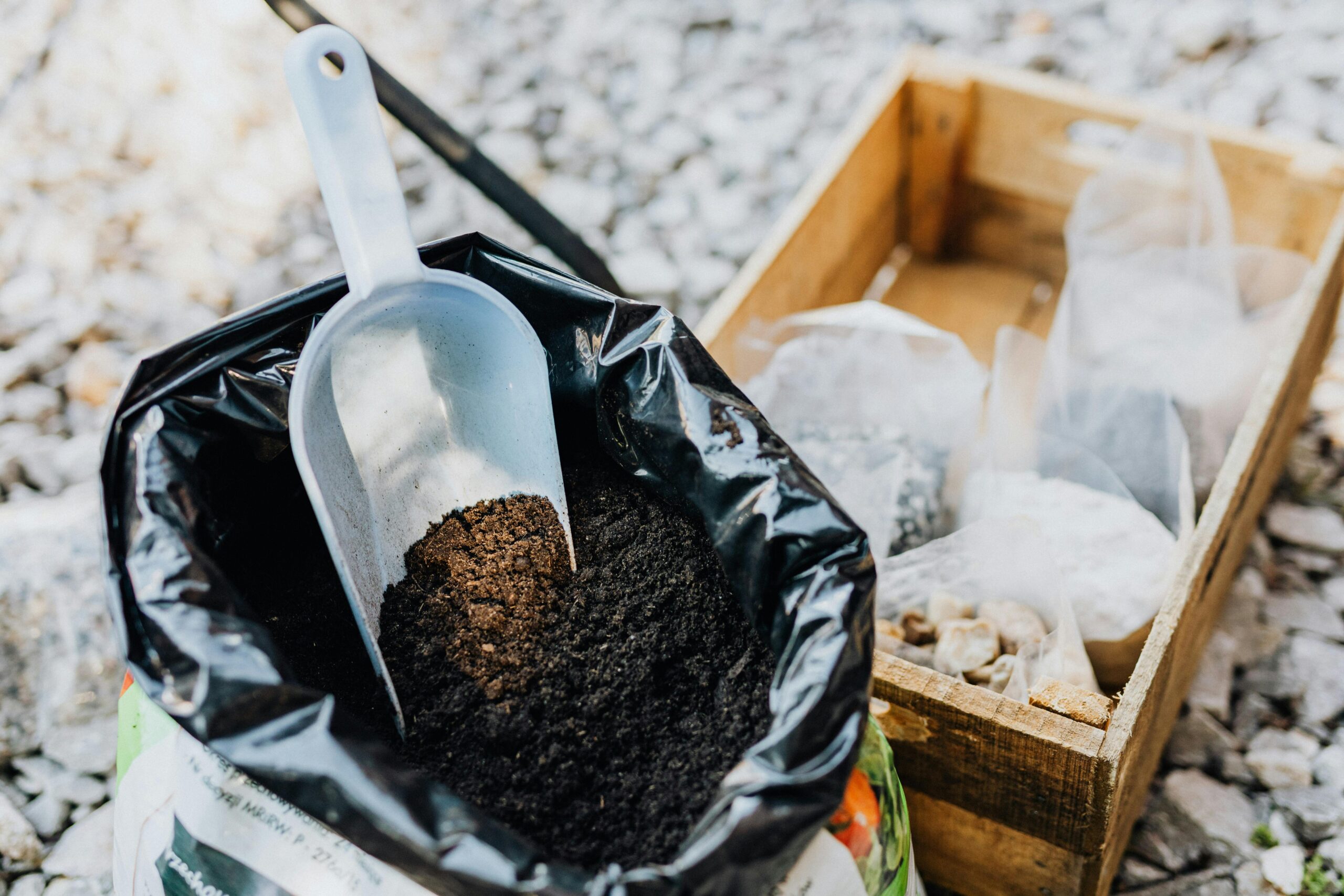
🌟 Taking Action for Healthier Harvests
The evidence is clear: algae feed and fertilizer deliver exceptional results while supporting environmental sustainability. These products enhance every aspect of plant health—from germination through harvest—creating gardens and farms that are more productive, resilient, and ecologically sound.
Making the switch requires minimal effort but creates maximum impact. Start with one product and one application. Observe the results in your plants and soil. Most gardeners who try algae products never return to purely chemical fertilizers because the benefits are simply too compelling to ignore.
Your choices matter enormously. Each application of algae fertilizer represents a vote for sustainable agriculture, healthy soil, clean water, and a stable climate. You’re not just growing better tomatoes or more beautiful roses—you’re participating in the essential work of creating food systems that can sustain humanity indefinitely without destroying the planet that supports us.
The path to greener gardens and healthier harvests lies in working with nature rather than against it. Algae have perfected the art of photosynthesis and nutrient production over billions of years. By harnessing their power in your garden, you tap into ancient wisdom refined across countless generations. The results speak for themselves in vibrant plants, bountiful harvests, and soil that improves year after year.
Begin your algae journey today. Your plants, your soil, and your planet will thank you with abundant rewards that compound with every growing season. 🌱